Two bright fireballs lit New Zealand skies days apart, first over the South Island and then across parts of the North Island. The second event was widely recorded and reportedly produced a sonic boom that disturbed animals. Fireballs Aotearoa has asked residents in the lower North Island to search for dark, unusual stones and report any potential meteorites. A growing network of roughly 200 cameras, plus dashcams and security footage, is improving odds of locating fallen space rock.
Rare Fireballs Light Up New Zealand Skies — Residents Urged To Search For Meteor Debris
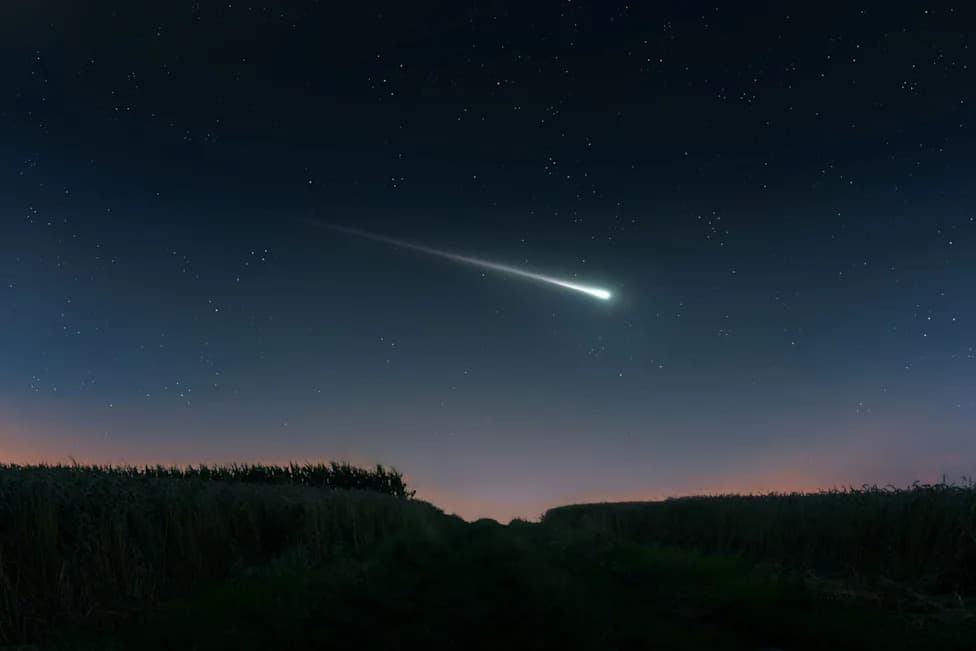
Photo Credit: iStock
Within days of each other in late July, two bright fireballs streaked across New Zealand's night sky — first over the South Island and then across parts of the North Island. The second event was widely recorded on dashcams, security cameras and dedicated meteor cameras, and multiple witnesses reported an accompanying sonic boom that unsettled animals and startled residents.
What Happened
Footage of the North Island flash was captured by a variety of cameras, and many viewers posted reactions and descriptions online. Witnesses described a brilliant orange ball with a colorful tail and, in some accounts, black soot trailing behind it. Several people said the flash was followed by a loud boom; others reported animals reacting — birds were disturbed and some farmers said their cows became agitated.
“I saw a big flash in the sky and thought, 'No, that can't be a fireball — this would be too good to be true',” said Steve Wyn-Harris, director of Fireballs Aotearoa, who witnessed the event from Hawke's Bay.
Why It Matters
Most meteors burn up in the atmosphere within seconds, but larger fireballs can survive long enough that fragments — meteorites — reach the ground. Recovering meteorites provides scientists with physical samples that help improve our understanding of the solar system and Earth's history. Reports of a sonic boom increase the likelihood that material passed low through the atmosphere or reached the ground.
Search And Recovery Efforts
Fireballs Aotearoa has asked residents in the lower North Island to be on the lookout for unusual dark stones after Tuesday's sighting and to report suspected meteorites to the group. Wyn-Harris offered a simple search tip: look for a black stone that "wouldn't ordinarily be there." Recoveries in New Zealand are rare — only about 10 confirmed meteorites have been recorded over roughly the last 150 years — partly because of the country's rugged terrain and sparse, dispersed population.
The picture is changing as observational resources expand. Fireballs Aotearoa operates a network of roughly 200 cameras across the country, and the increasing prevalence of dashcams and home security systems provides extra footage that can help triangulate fireball paths and narrow down potential fall zones.
Safety And Reporting
If you think you've found a meteorite, avoid cleaning or handling it excessively and photograph the find in place with scale (a coin or ruler). Note the GPS location if possible and contact Fireballs Aotearoa or local authorities for advice on safe handling and verification.
Sources: Reporting by the Guardian and statements from Fireballs Aotearoa.
Help us improve.