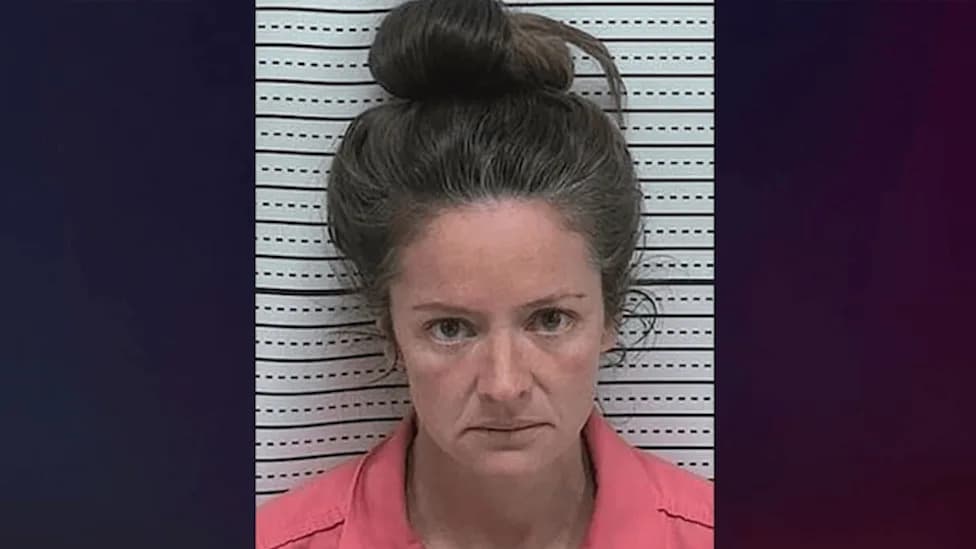
New Mexico's highest court has blocked police bodycam and hospital surveillance evidence in a homicide case, ruling that a suspect's statements were made during a protected physician‑patient communication and were therefore inadmissible. Alexee Trevizo, arrested in 2023 and charged with first‑degree murder and tampering with evidence after a newborn was found in a hospital trash bag, maintains the baby was stillborn. The medical investigator ruled the infant's death a homicide by entrapment, but the excluded footage removes key evidence prosecutors had planned to use.
New Mexico Supreme Court Bars Bodycam Confession, Excludes Video in Case of Newborn Found in Hospital Trash
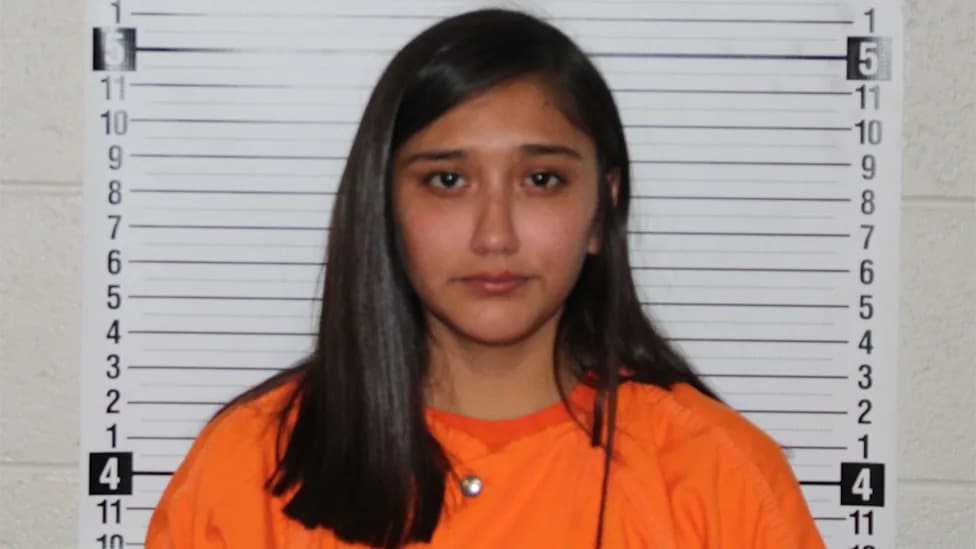
Alexee Trevizo mugshot
The New Mexico Supreme Court has unanimously ruled that a police body‑worn camera recording of Alexee Trevizo admitting she placed a newborn in a hospital trash bag cannot be used at trial because the statement was made during a protected physician‑patient communication. The court also barred hospital surveillance footage and related bodycam video from evidence in the homicide case.
What the Court Found
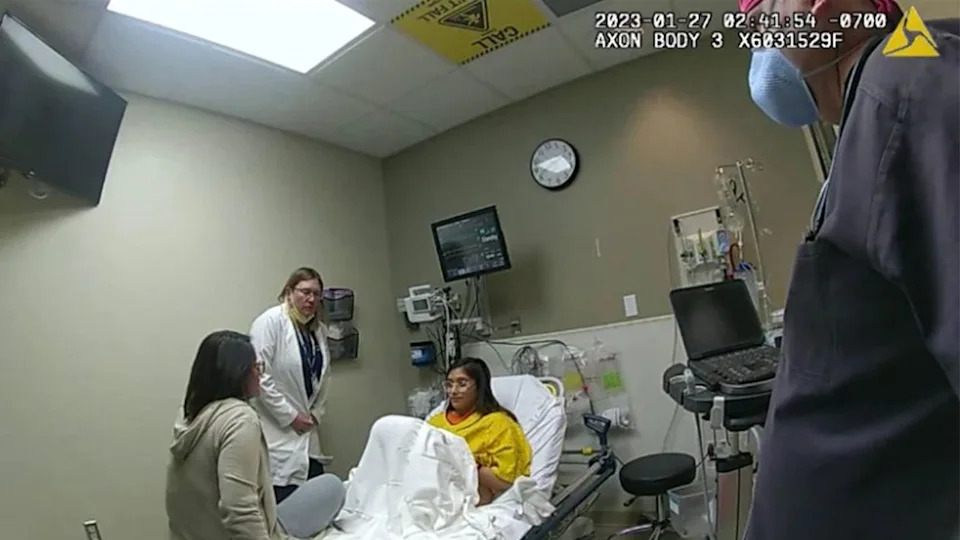
Trevizo, who was 19 at the time of her May 2023 arrest and is now 22, was charged with first‑degree murder and tampering with evidence after a janitor discovered a deceased newborn in a trash bag at Artesia General Hospital on Jan. 27, 2023. Hospital surveillance showed Trevizo entering and later leaving a bathroom; officers wearing body cameras were present when medical staff informed Trevizo and her mother that a newborn had been found.
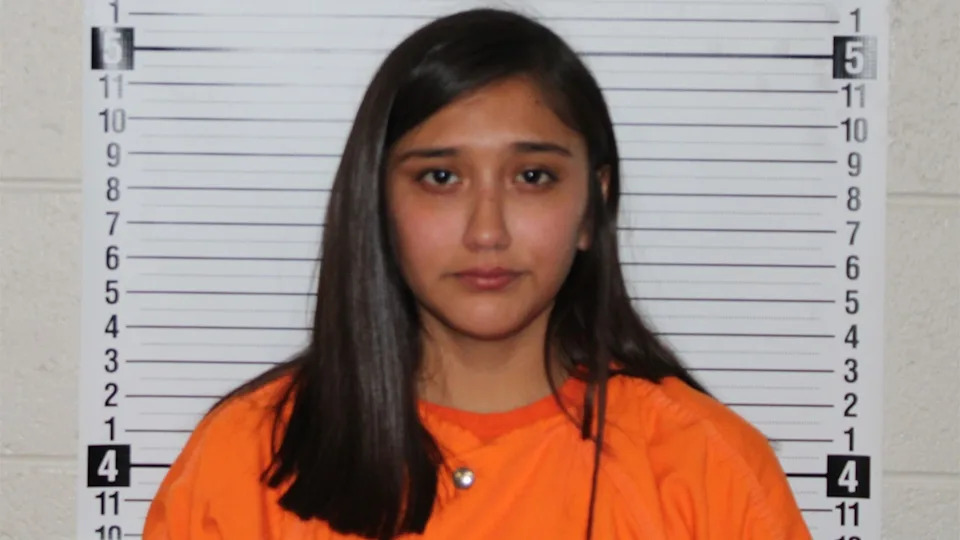
Alexee Trevizo was charged with first-degree murder and tampering with evidence after her newborn son was found dead in a trash can by hospital staff.
According to the court, the physician "without authorization, ambushed Defendant, bringing with her two armed officers who stood in the doorway of her hospital room, and disclosed her personal medical information to all persons in the room without warning."
The justices concluded Trevizo was in a compromised medical state and had not voluntarily waived physician‑patient privilege, so her statements and the related recordings are inadmissible at trial.
Details From the Incident and Investigation
Trevizo arrived at the hospital complaining of severe back pain and received pain medication while staff ran tests. She repeatedly denied being pregnant before going to a locked bathroom. Staff later found heavy blood in the bathroom and Trevizo cleaning the floor. While a janitor was emptying and inspecting the trash, the newborn was discovered wrapped beneath bloody paper towels and other waste and was not breathing.
Cleaning staff found the dead newborn hidden in the bathroom trash can.
The New Mexico Office of the Medical Investigator ruled the infant's death a homicide, concluding the child died from entrapment after being placed and tied inside a plastic trash bag. The autopsy noted air in the lungs and hemorrhage consistent with hypoxia. Trevizo maintains the baby was stillborn and has said she did not know she was pregnant until the birth.
Procedural History and Current Status
Prosecutors had relied on bodycam audio and hospital surveillance to file charges, arguing Trevizo did not require Miranda warnings because she spoke to hospital staff in the presence of officers rather than directly to police. The Supreme Court rejected that argument, affirming a lower court decision that both the hospital surveillance and officers' bodycam footage are inadmissible.
Trevizo was arrested on May 10, 2023, then released and allowed to finish her senior year of high school while awaiting trial. She later enrolled at New Mexico State University, where a petition calling for her removal from campus gathered more than 30,000 signatures.
What This Means
The ruling limits prosecutors' available evidence in a serious homicide prosecution and underscores the scope of physician‑patient confidentiality even when law enforcement is present. The case may proceed with the remaining admissible evidence, and additional legal disputes are likely as the case moves forward.
Help us improve.