Researchers transplanted 42 sponges from five Mediterranean species onto artificial reef frames in Marina Palamós, Girona. Only the chicken kidney sponge (Chondrosia reniformis) survived long-term: 91.7% remained alive after 455 days. The sponge also spread asexually by "creeping," making it a promising pioneer species for restoring polluted harbors. Scientists will continue multiyear monitoring and study microbial partners that may help the species tolerate pollution.
Tough ‘Chicken Kidney’ Sponge Survives Polluted Harbor and Could Help Restore Ports
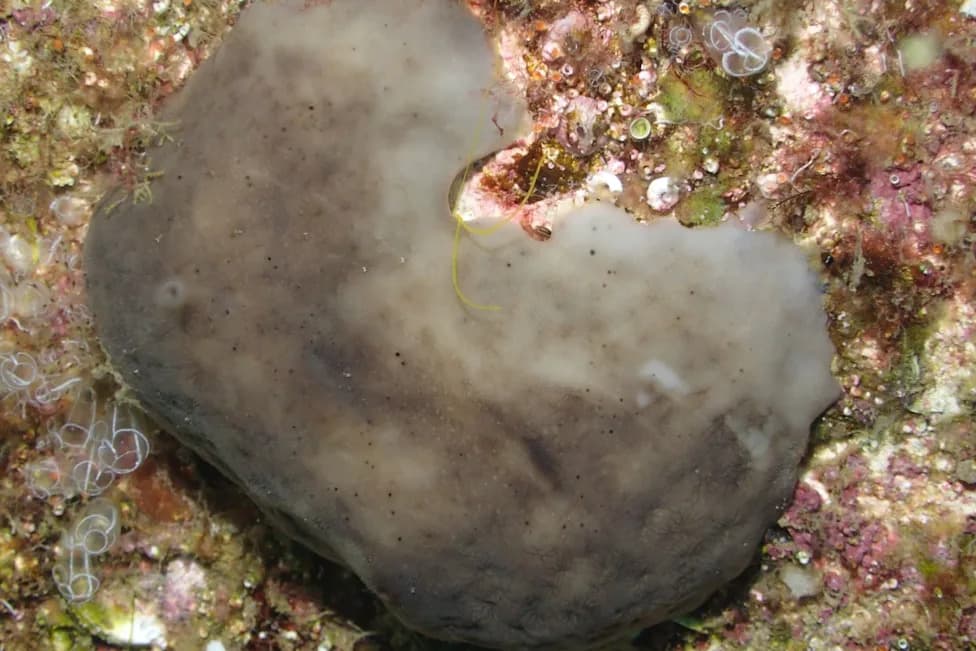
Photo Credit: Carlota Escarré
Marine life often struggles in polluted ports, but a hardy Mediterranean sponge may point the way toward restoring degraded harbors. In a renaturalization trial at Marina Palamós (Girona, Spain), researchers found that one species — the chicken kidney sponge — not only survived harsh conditions but also spread, suggesting a potential role as a pioneer species in port restoration.
The Experiment
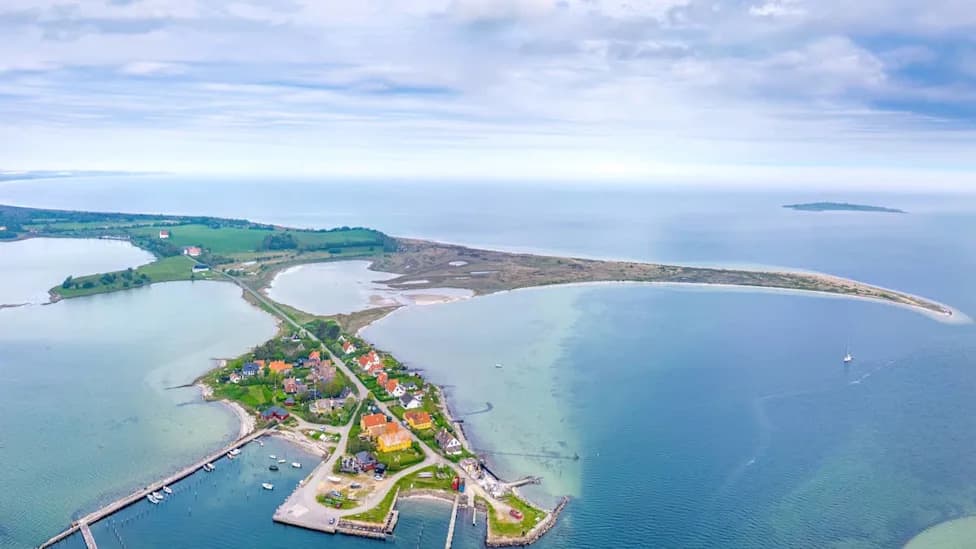
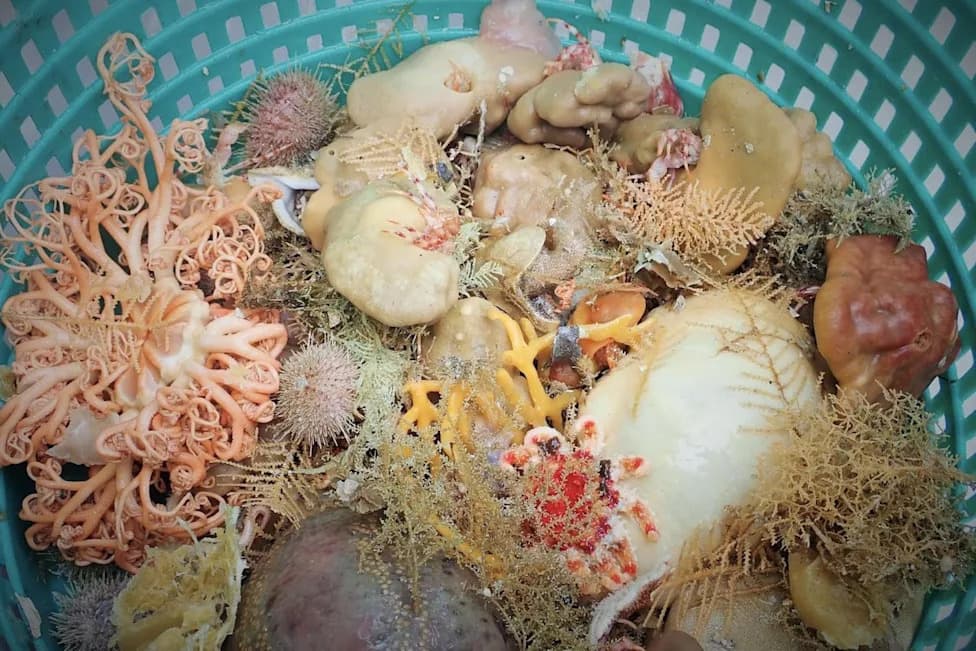
Scientists transplanted 42 specimens representing five hardy Mediterranean sponge species from shallow waters onto artificial reef frames attached to the marina's submerged seawall. Specimens were collected at Santa Anna Point, about 19 miles from Marina Palamós, and were held on ceramic plates in seawater-fed tanks at the Blanes marine research center before deployment.
The plates were affixed to metal-grid reef frames coated with calcium carbonate so researchers could compare how each species tolerated controlled harbor conditions. One species died before transplantation; three others contracted and died within 20 to 165 days. Only Chondrosia reniformis, the chicken kidney sponge, persisted.
Results
After a 455-day monitoring period, 91.7% of the transplanted chicken kidney sponges remained alive. The species also reproduced asexually through a natural creeping mechanism, where fragments detach and establish clones on nearby surfaces, allowing rapid local expansion across available substrates.
“Here we show that some sponge species have exceptional potential for use in the restoration of degraded harbor habitats,” said Manuel Maldonado, director of the Center for Advanced Studies of Blanes.
Why This Matters
Enclosed harbors concentrate threats such as trash, oil, toxic antifouling chemicals, invasive species, and chronic underwater noise from dredging and ship traffic. These stressors degrade water quality, reduce habitat for fish and invertebrates, and weaken coastal resilience for nearby communities.
Sponges filter large volumes of seawater, removing organic particles and many pollutants. By recycling nutrients, they support local food webs and create microhabitats that shelter worms, crustaceans, and juvenile fish. A species that tolerates polluted conditions and can spread may help jump-start ecological recovery in urban waters where more sensitive organisms cannot yet survive.
Next Steps
The research team will continue multiyear monitoring of the transplanted sponges and investigate whether symbiotic microbial communities contribute to the species' pollution tolerance. They also plan to test additional candidate species to broaden restoration toolkits for degraded ports.
Implication: Because of its survival, reproductive strategy, and filtration capacity, Chondrosia reniformis is a promising pioneer for rebuilding biological communities and improving water quality in stressed harbors.
Help us improve.