Baltic entrepreneurs have mobilised to strengthen deterrence on NATO's eastern flank since Russia's 2022 invasion of Ukraine. Startups such as Pdkinematics build precision guidance systems that enable drones to operate under GPS jamming and are supplying Ukraine and European allies. Backed by high defence spending, practical military testing and growing foreign investment, the region's defence startups offer rapid, scalable solutions that raise the cost of aggression even if they cannot fully prevent an attack.
Baltic Startups Build Defence Tech to Strengthen NATO’s Eastern Flank
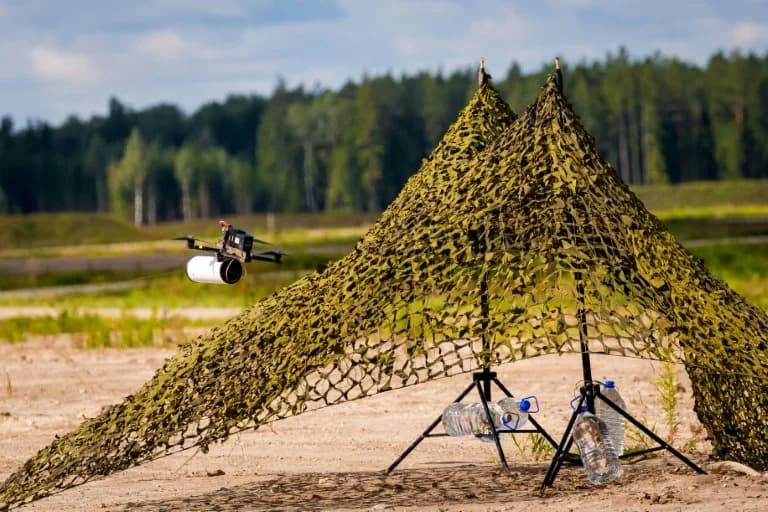
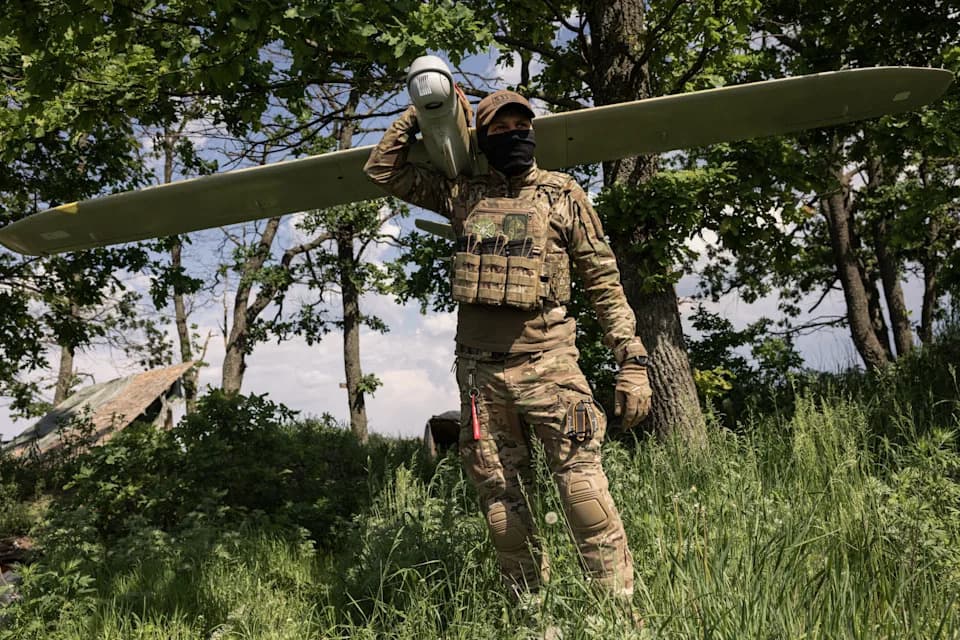
Latvia organised together with NATO in 2025 anti-drone military exercises that featured some home-grown tech (Gints Ivuskans)
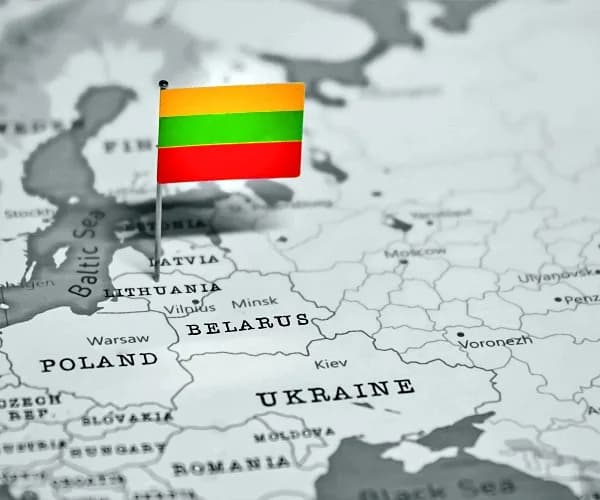
When Russia launched its full-scale invasion of Ukraine in February 2022, Rapolas Markevicius was running a private equity fund in Lithuania — a country on NATO's eastern flank that has long been anxious about being a potential target. Four-and-a-half years on, he leads Pdkinematics, a startup that produces precision guidance systems enabling drones to strike more accurately even when GPS is jammed. Its systems are supplied to Ukraine and several European allies.
Startups Meet a New Security Imperative
Markevicius is one of a wave of Baltic founders who say the war was a clear call to action. After the invasion, he launched an R&D programme to identify technologies that could be delivered quickly to the front lines, working with a co-founder from the space-technology sector. Across Lithuania, Latvia and Estonia, entrepreneurs are stepping into gaps left by traditional defence contractors to produce fast, scalable solutions for modern battlefields.
"The beginning of the war was kind of a call for action for us," Markevicius told AFP.
Why Speed and Scale Matter
The conflict in Ukraine has accelerated a technological shift in warfare: drones, robots and autonomous systems now play prominent roles. That creates demand for rapid development cycles and the ability to scale production quickly. "The current technology that will drive, and is currently driving, the transition of European arms must be as scalable as it is high-tech," Markevicius said, adding that startups often produce "efficient, cost-efficient and scalable solutions."
Startups can move quickly from prototype to battlefield feedback. The Lithuanian Armed Forces routinely provide fields and airspace for monthly practical testing of emerging technologies, allowing firms to refine systems in realistic conditions. "You can test your product with Ukraine, with Lithuanian soldiers, with any NATO soldiers," said Elvinas Kukys, CEO and founder of Luna Robotics, which develops advanced imaging systems for FPV drones.
Investment, Deterrence and Resilience
The Baltic states also devote substantial resources to defence: Lithuania allocates about 5.3% of GDP to defence — the highest share among NATO's 32 members. That commitment, combined with operational testing and urgent demand from Ukraine, has helped attract significant foreign investment into the regional defence startup sector. "The Baltic states have really been tried and tested over the past four years," said Mario Bikarski, Senior Europe Analyst at Verisk Maplecroft. "They are now some of the best-prepared countries to withstand a wide range of new forms of attacks."
Analysts caution that startups alone cannot prevent a major conventional attack, but they can raise the cost and complexity of aggression. "A burgeoning defence startup sector is not something that is going to stop a potential Russian attack," Milan Trajkovic of Fitch told AFP. "But it does probably make it more difficult."
Invest Lithuania notes that proximity to Russia can unsettle some investors. "We understand that this is the new normal," said director Elijius Cevelis, who added that meetings between investors and government ministries — sometimes involving confidential briefings — can reassure partners. "We have many international troops, we have armour, we have vehicles, we have everything we haven't had before," he said, pointing to deeper military cooperation and infrastructure in the region.
As the Baltics continue to blend entrepreneurial agility with defence needs, startups like Pdkinematics and Luna Robotics illustrate how commercial innovation can strengthen deterrence, boost economic resilience and provide practical tools for allies on NATO's eastern flank.
Help us improve.