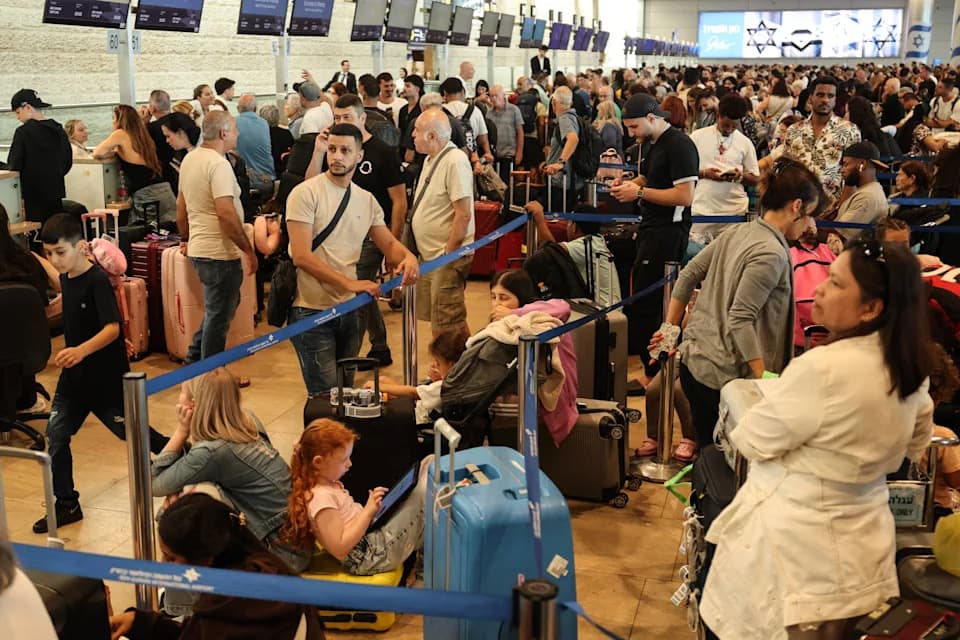
The US State Department has issued a security alert urging Americans in the Middle East to be prepared to leave if tensions with Iran escalate, warning that US diplomatic facilities have been targeted. US media report that President Trump may order intensified strikes on Iran, and CBS has said US and Israeli plans could target Iranian energy infrastructure. Centcom described recent retaliatory strikes as a "heavy wave," and Iranian state media reported three deaths, including a two-year-old. Travelers should expect possible flight cancellations and disruptions and consider postponing travel to the region.
US Urges Americans In Middle East To Be Ready To Depart As Tensions With Iran Escalate
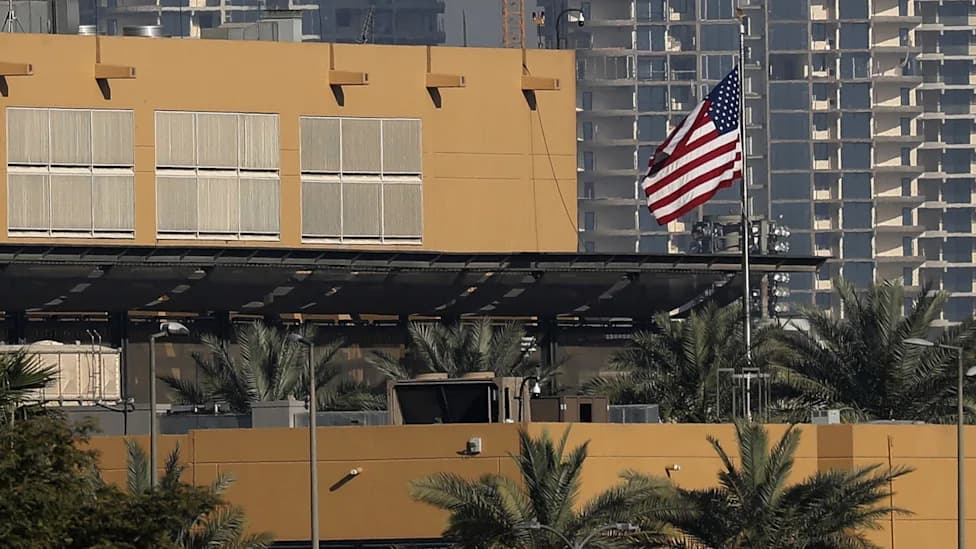
US embassies across the Middle East - including the mission in Iraq - reposted the security alert for American nationals, warning of "unexpected escalation" [Getty Images]
The US government has issued a security alert urging American citizens across the Middle East to remain vigilant and be prepared to depart if hostilities with Iran intensify.
State Department Warning
In its advisory, the US State Department said:
"US diplomatic facilities, including outside the Middle East, have been targeted. Iran and groups supportive of Iran may target other US interests overseas or at locations associated with the United States and Americans throughout the world."
The alert warned Americans in the region to expect possible flight cancellations, periodic airspace closures and travel disruptions. It said those already in the Middle East should consider departing or be prepared to leave should the situation escalate, and recommended that people outside the region seriously reconsider travel to or through the area.
Embassies Repost Alert
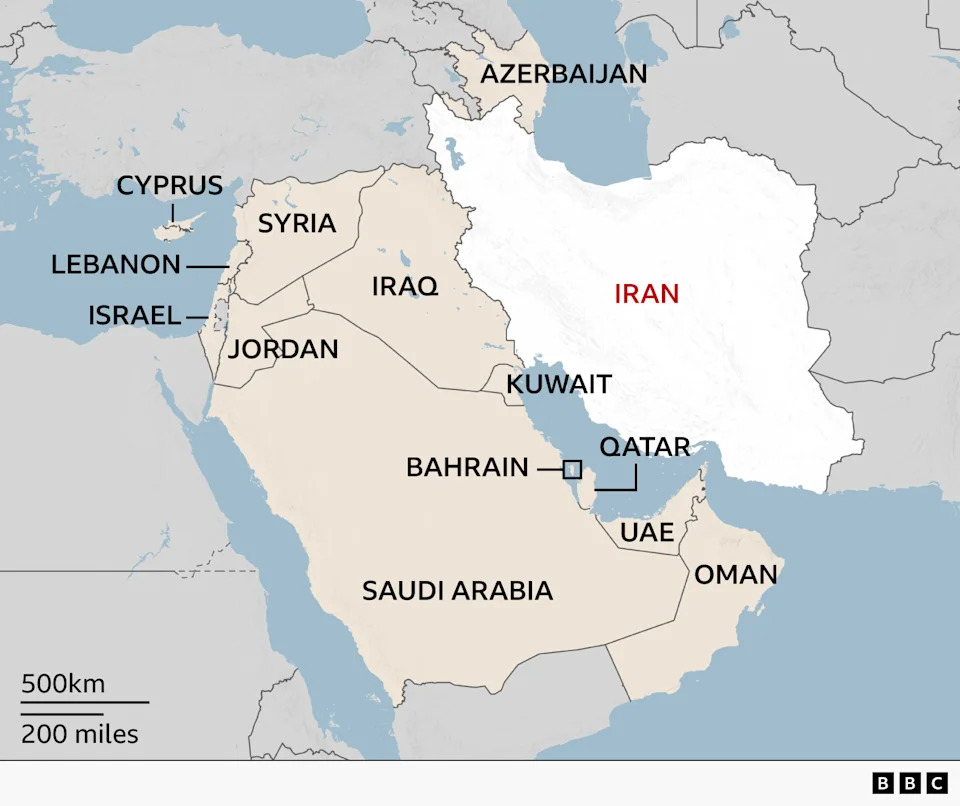
US embassies and consulates across the Middle East — including posts in Bahrain, Iraq, Israel, Jordan, Kuwait, Lebanon, Oman, Qatar, Saudi Arabia and the United Arab Emirates — reposted the security notice, cautioning American nationals about the possibility of "unexpected escalation."
Media Reports Of Possible Strikes
US media outlets quoted officials saying President Donald Trump could order intensified strikes against Iran over the weekend. Multiple sources told CBS News that the US and Israel were preparing plans that could target Iranian energy infrastructure — a move described as potentially among the harshest bombing campaigns to date against such sites.
[BBC]
Reports said the plan was discussed at a recent cabinet meeting, where Mr. Trump was heard saying, "We'll be hitting them [Iranians] very hard. At some point, they're going to say, 'We just can't take it anymore.'" According to sources, some White House aides focused on politics opposed the plan.
Recent Military Actions And Casualties
The US military said it carried out a "heavy wave" of strikes in retaliation for attempted ballistic missile attacks on American forces. US Central Command (Centcom) reported hitting "dozens" of targets linked to Iran's Islamic Revolutionary Guard Corps (IRGC) after Tehran fired on US bases in Jordan and at ships in the Strait of Hormuz.
Iranian state media reported that three people were killed in the US strikes, including a two-year-old child. The conflict has widened after a period of relative calm and included the first publicly announced joint US–Saudi strikes against Iranian-backed groups in Iraq.
Since a ceasefire in April unraveled in June, Washington and Tehran have exchanged strikes: the US has imposed blockades on Iranian ports and struck sites inside Iran, while Iran has launched missiles and drones against US assets across the Middle East and targeted commercial shipping in the Strait of Hormuz — a key global oil transit route. Reports note that US and Israeli strikes targeting Iran began on 28 February.
What This Means For Travelers
Americans in or traveling to the region should monitor official US government guidance, register with the Smart Traveler Enrollment Program (STEP) if possible, and have contingency plans for rapid departure. Businesses and NGOs operating in the area should review security procedures and evacuation options.
The situation remains fluid, and further developments could change the security landscape rapidly.
Help us improve.