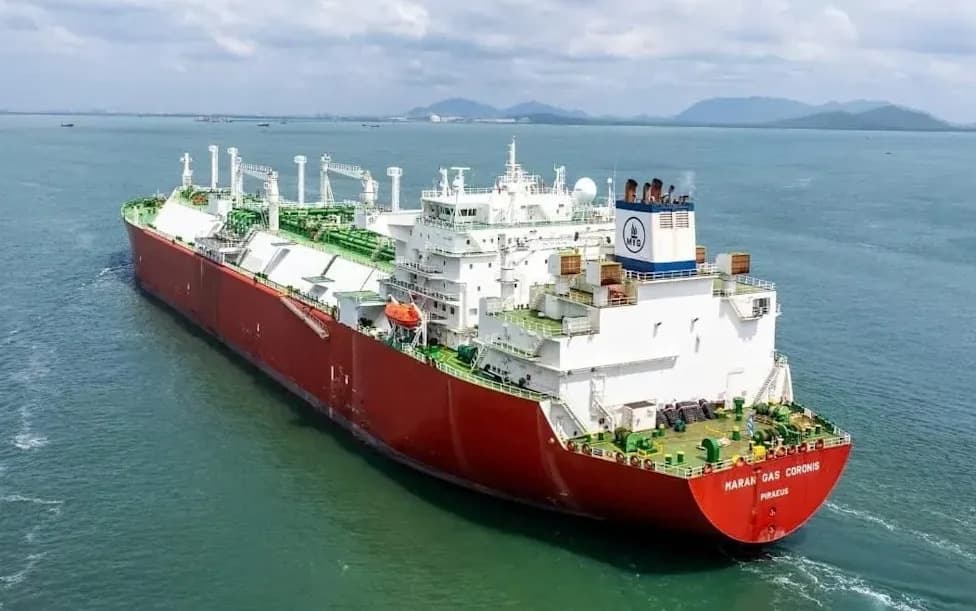
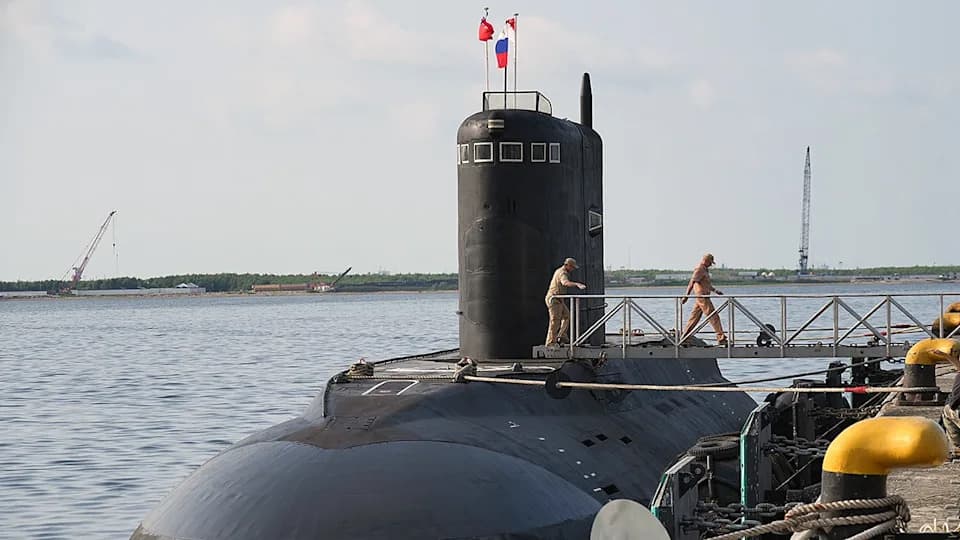
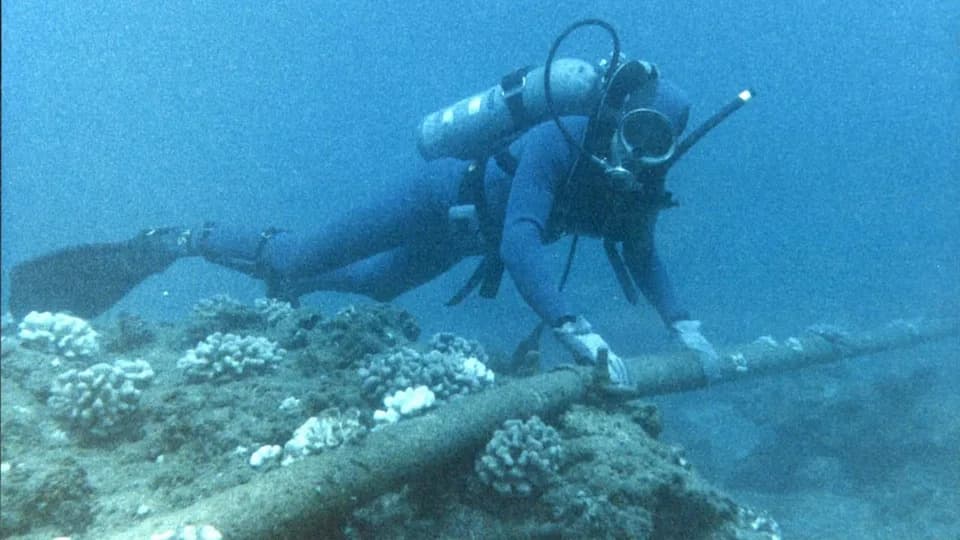
The Royal Navy was activated 116 times last year to shadow almost 90 Russian vessels—61 warships and submarines and 28 merchant ships linked to a shadow tanker fleet. Incidents this year included warning shots at a British yacht, the seizure of a tanker by Royal Marines and the disruption of a three‑submarine operation near undersea cables. Russian maritime activity around the UK has risen about 30% while the Royal Navy awaits delivery of 13 planned new warships. The MoD is investing £1.5bn in a "hybrid Navy" to boost deterrence.
Royal Navy Activated 116 Times Last Year To Shadow Nearly 90 Russian Ships
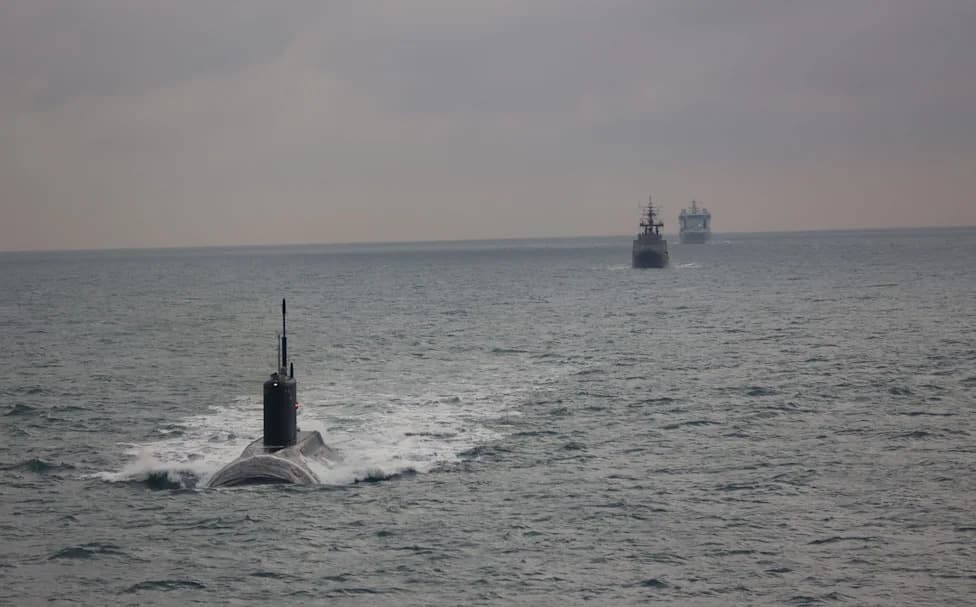
The Navy shadows a Russian submarine during a three-day operation through stormy weather in the Channel in December - MoD
The Royal Navy was activated 116 times over the past year to monitor almost 90 Russian vessels that entered the UK’s exclusive economic zone, new Ministry of Defence figures show. Those movements included 61 warships and submarines and 28 merchant vessels believed to be part of a sanctioned “shadow fleet” that helps move and sell Russian oil.
Monitoring, Incidents and Operations
The MoD report, published as part of its annual review, sets out for the first time the scale of maritime pressure faced by UK forces. British defence officials say activity by Russian warships and submarines in UK waters rose by roughly 30% year‑on‑year.
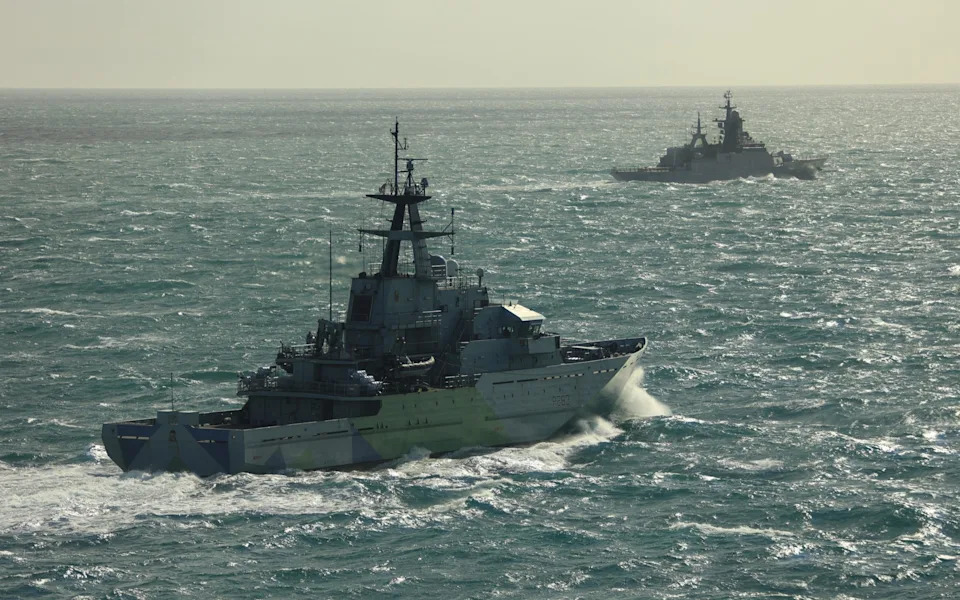
HMS Mersey monitoring a Russian frigate and tanker in the Channel in March - MoD
Notable incidents this year include the frigate Admiral Grigorovich firing warning shots at the unarmed yacht Bright Future on 16 June, and Royal Marines boarding and seizing the Smyrtos, a shadow tanker suspected of carrying sanctioned oil. The Royal Navy also disrupted a covert operation involving three submarines that were reportedly attempting to monitor critical undersea cables.
"Russia is constantly trying to pressure the UK and tighten the screws; it's a significant challenge for the Royal Navy to contend with," a defence source said.
Persistent Threats And Strategic Response
Research vessels such as the Yantar—operated by GUGI, Russia’s Main Directorate of Deep‑Sea Research—have been repeatedly tracked by UK forces. The UK also recently scrambled jets to intercept a Russian Bear‑F spy plane that approached the carrier strike group around HMS Prince of Wales and reportedly dropped multiple tracking buoys nearby.
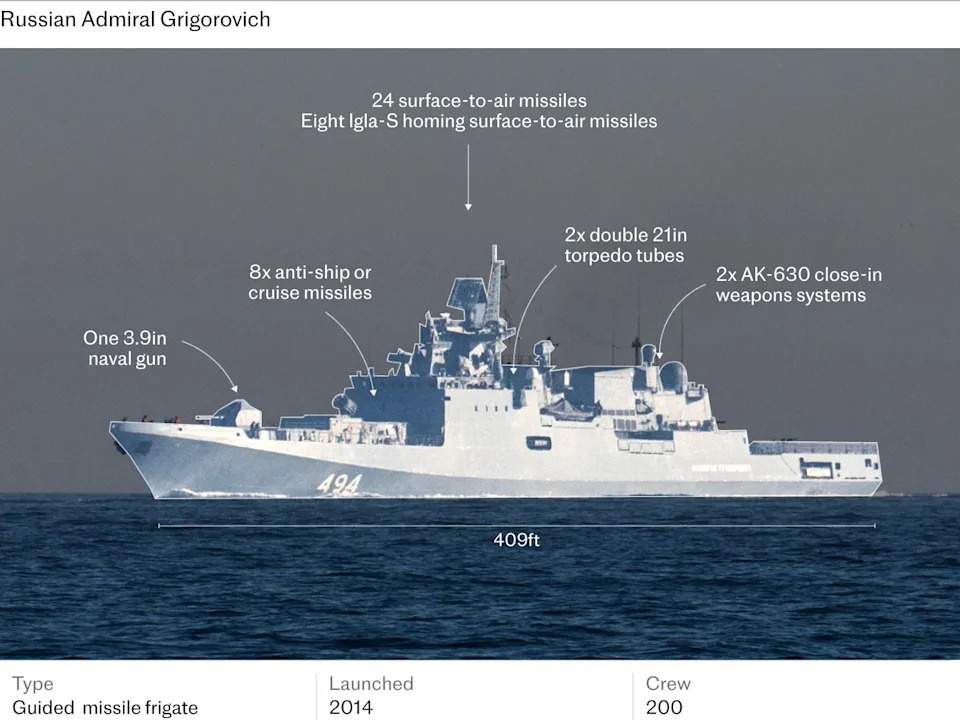
0904 Russian Admiral Grigorovich
At the same time the Royal Navy is operating at its smallest modern size: six destroyers, two aircraft carriers and five frigates in service after recent retirements (down from 13 frigates in 2014). Plans exist to introduce 13 new warships—eight Type 26 anti‑submarine frigates and at least five Type 31 general‑purpose ships—but those vessels are still years from delivery.
The MoD emphasised continual 24/7 maritime monitoring to protect national waters and critical infrastructure and pointed to a defence investment plan that includes a planned £1.5bn programme to develop a "hybrid Navy" combining crewed ships and drones to strengthen deterrence.
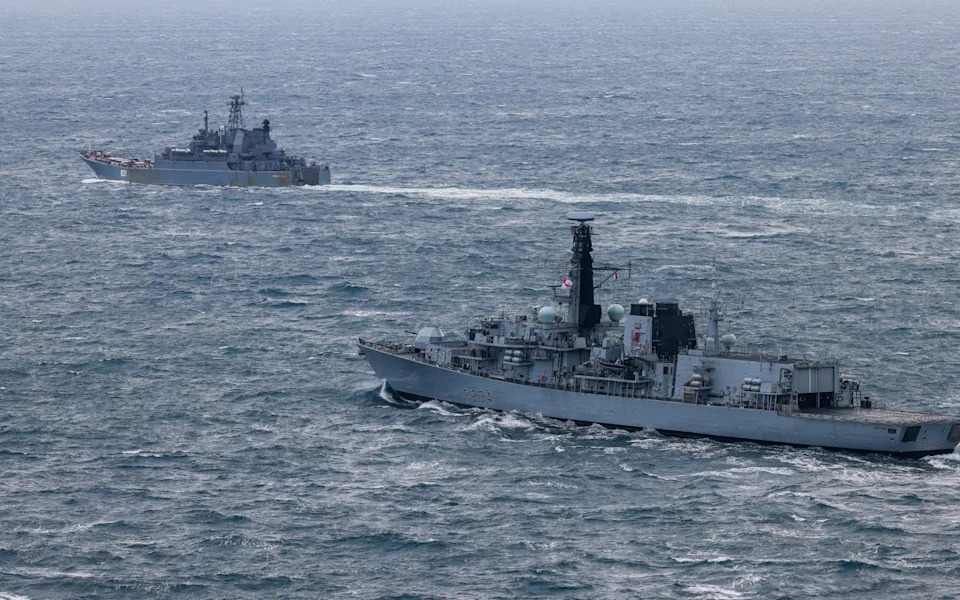
HMS Iron Duke escorting a Russian warship, the Alexander Otrakovsky, through the Channel in February 2025 - MoD
Regional And NATO Role
The UK currently leads Standing NATO Maritime Group One, a multinational task force patrolling northern European waterways, including the Baltic, where commanders say protecting undersea pipelines and cables is a priority. Commander Maryla Ingham, who took command in April, described frequent interactions with Russian forces in the area and stressed the task group's defensive role in safeguarding critical infrastructure.
Overall, the figures underline an intensifying maritime contest around the UK and in adjacent seas, and highlight growing demands on a fleet that is waiting on major new shipbuilding deliveries.
Help us improve.