
This week’s science highlights include camera-tagged whale sharks and rare marine footage, a record cold reading of −119.4°F (−84.1°C) at Antarctica’s Concordia station, and lidar discoveries of hundreds of Amazonian earthworks linked to the Aquiry people ~2,500 years ago. Early studies also suggest chronic inflammation may contribute to dissociative “out-of-body” experiences. Additionally, China’s Long March 3B survived a lightning strike about 30 seconds after liftoff and successfully reached orbit.
Whale Sharks, Antarctic Cold, Amazon Geoglyphs and More: This Week’s Biggest Science Stories
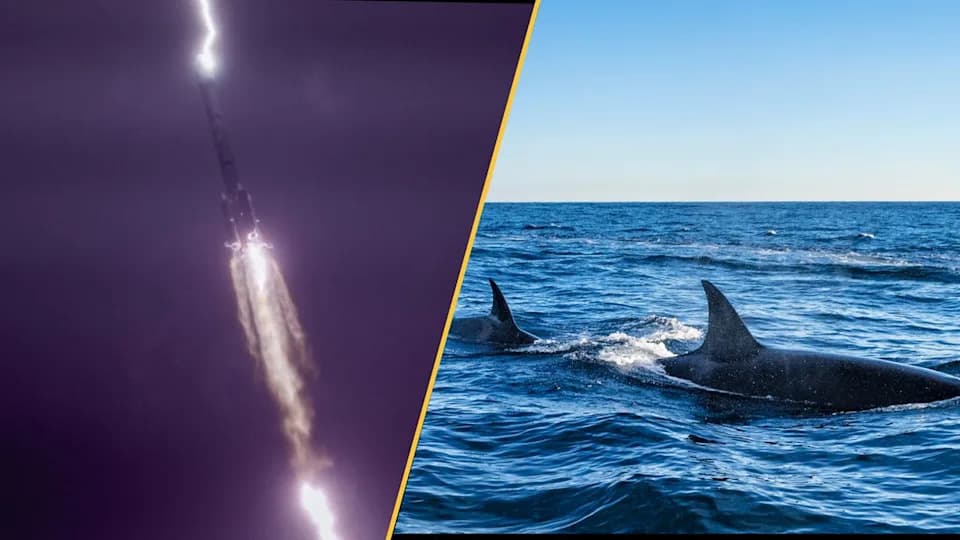
Sharks reveal their secret lives, coldest temperature recorded in Antarctica, geoglyphs hint at lost Amazonian civilization and why inflammation causes false memories. | Credit: Zhou Quan/VCG via Getty Images | MediaNewsGroup/Orange via Getty Images
This week’s science roundup brings vivid animal footage, deep-time archaeology and record-setting Earth science — from cameras mounted on whale sharks to lidar discoveries in the Amazon and an extreme cold reading at Antarctica's Concordia station.
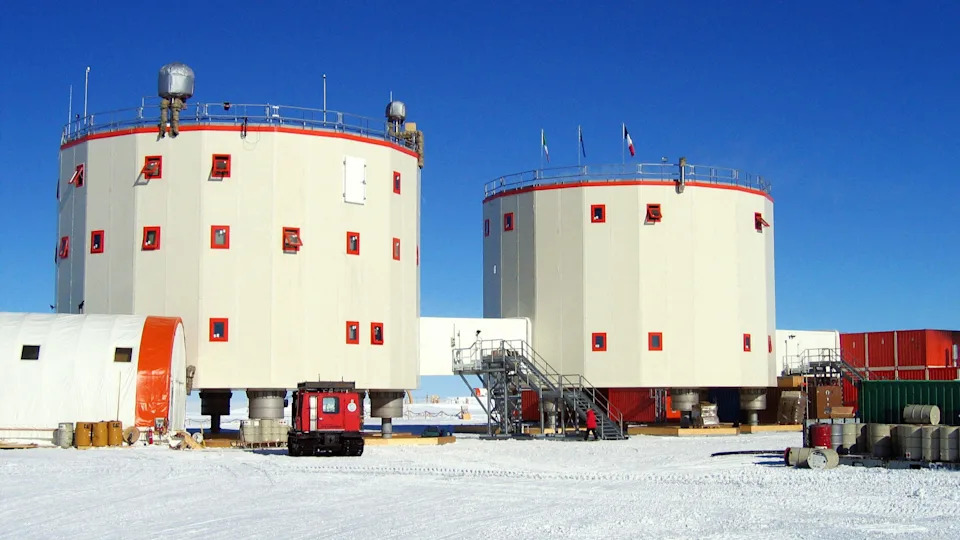
Concordia is considered the most isolated field station in the world. | Credit: GUY CLAVEL/AFP via Getty Images
Shark Week Highlights: Cameras, Cavefish and Humpback Births
To mark Shark Week, researchers shared unprecedented footage and discoveries. Cameras attached to whale sharks revealed detailed behavior and habitat use, offering the first close, continuous perspective of these gentle giants. Marine teams also documented a striking new find: a so-called "demon cavefish" discovered beneath a World War II chemical weapons facility in Alabama. In related marine coverage, drone teams captured the first aerial footage of a humpback whale giving birth, offering rare insight into cetacean reproduction in the wild.

Cats have a tuft of four to six whiskers on the back of each front leg, each about 0.8 to 1.2 inches (2 to 3 centimeters) long. | Credit: sellyhutapea Getty Images
Orcas, Shipping Delays and Ecological Risks
Off Spain’s coast, orcas have repeatedly attacked vessels, damaging and in some cases sinking boats along the Iberian shoreline. At the same time, cargo congestion near the Strait of Hormuz is raising ecological concerns: scientists warn that when normal shipping resumes, drifting organisms and pathogens could spread widely, creating a potential biological "superspreader" event among marine species and invasive microbes.
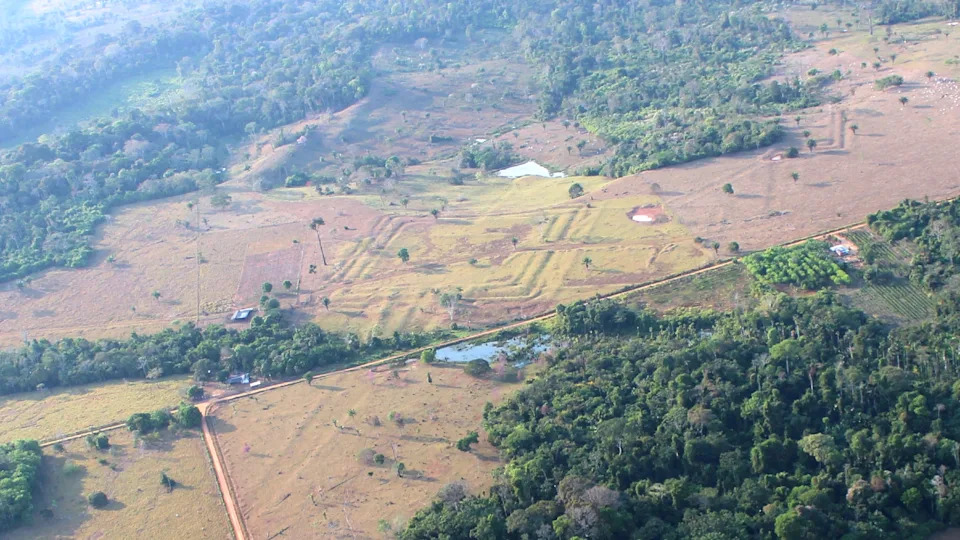
Archaeologists discovered ancient geoglyphs like this square-shaped one in Acre, Brazil. | Credit: Martti Pärssinen
Record Cold at Concordia Station
Concordia, one of the world’s most isolated research stations on the Antarctic plateau, recorded an extraordinary low of minus 119.4°F (minus 84.1°C) on July 18. That reading is the coldest at the site in more than a decade and nearly matches its all-time minimum. "Even here, where extreme cold is expected, temperatures below minus 84°C are remarkable and highlight how variable Antarctic weather can still be," said Gabriele Carugati, the station leader for Italy's National Antarctic Research Program.

Inflammation may fuel out-of-body experiences, early research hints. | Credit: Kate Hazell/Future
Lidar Reveals Hundreds Of Amazonian Earthworks
New airborne lidar surveys have pierced the Amazon's dense canopy to reveal hundreds of earthworks — including square geoglyphs — in what is now Acre, Brazil. Archaeologists attribute these features to the Aquiry people, who emerged around 2,500 years ago. The scale and organization of these landscape modifications suggest a more complex and engineered human presence in some parts of the pre-Columbian Amazon than previously understood.
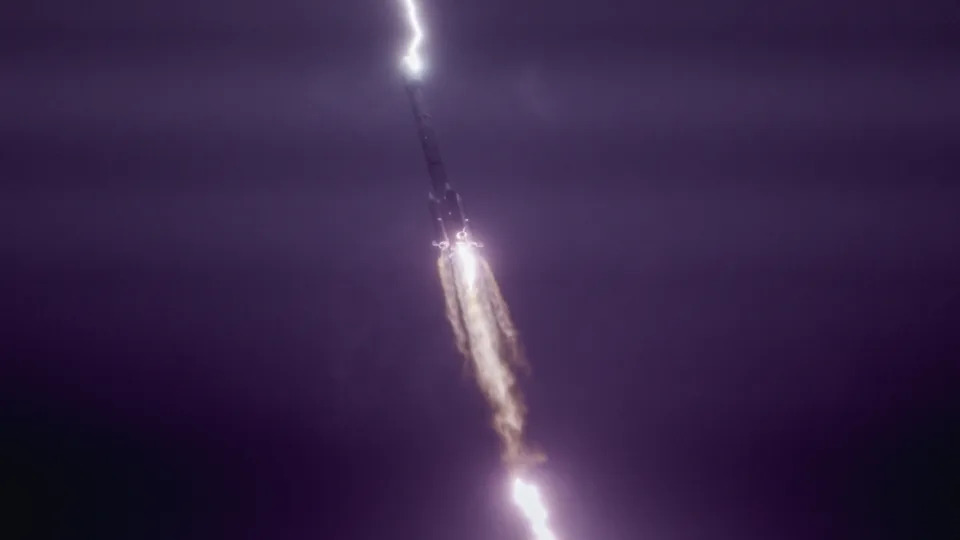
China's Long March 3B rocket was struck by a powerful lightning bolt around 30 seconds after launching on July 23. Despite this, it made it to space and successfully deployed its payload. | Credit: Zhou Quan/VCG via Getty Images
Inflammation Linked To Dissociative Experiences
Early research is connecting chronic inflammation to altered states of consciousness. Scientists propose that stress-induced inflammatory responses may help trigger dissociative symptoms — including out-of-body experiences — offering a biological pathway that could partly explain why trauma sometimes produces profound changes in perception and self-awareness.
Other Notable Stories
- A magnitude 6.8 earthquake in Japan damaged a shopping mall and trapped people as parts of the structure collapsed.
- Satellite imagery exposed the scars of a 60-million-year continental collision across Pakistani mountains.
- Reports described surprising animal adaptations, such as mice surviving on frozen volcanoes by consuming otherwise toxic plants.
- China's Long March 3B rocket was struck by lightning roughly 30 seconds after launch on July 23, yet the uncrewed vehicle continued to orbit and deployed its payload successfully.
For deeper reads, Live Science highlighted interviews, explainers and practical guides this week on topics ranging from AI "world models" to solar eclipse viewing and public-health reporting on firearm injuries.
Help us improve.





















