Andy Burnham has paused the rollout of the Sentencing Act 2026 after public anger that many prisoners could be released earlier than victims expected. The law would allow most non-violent offenders and violent offenders jailed under four years to be released after 33% of their terms, with longer violent and sexual offences eligible at 50%. Critics point to chronic prison overcrowding and say the crisis highlights the need for deeper reform and more emphasis on rehabilitation.
Prisoner-Release Changes Pause Sparks Outcry — Andy Burnham Suspends Sentencing Act Rollout
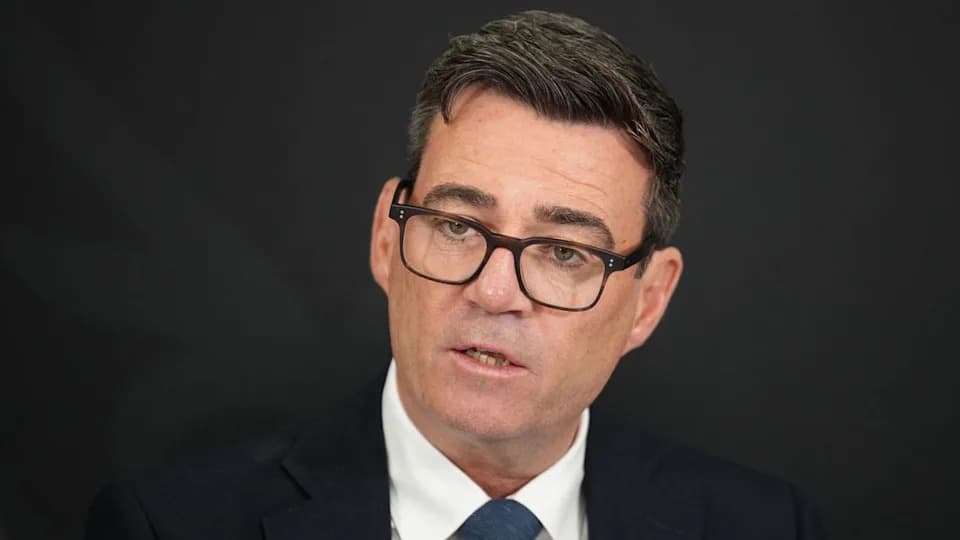
Faced with a public backlash, Andy Burnham paused the prisoner release scheme . | Credit: Christopher Furlong / Getty Images
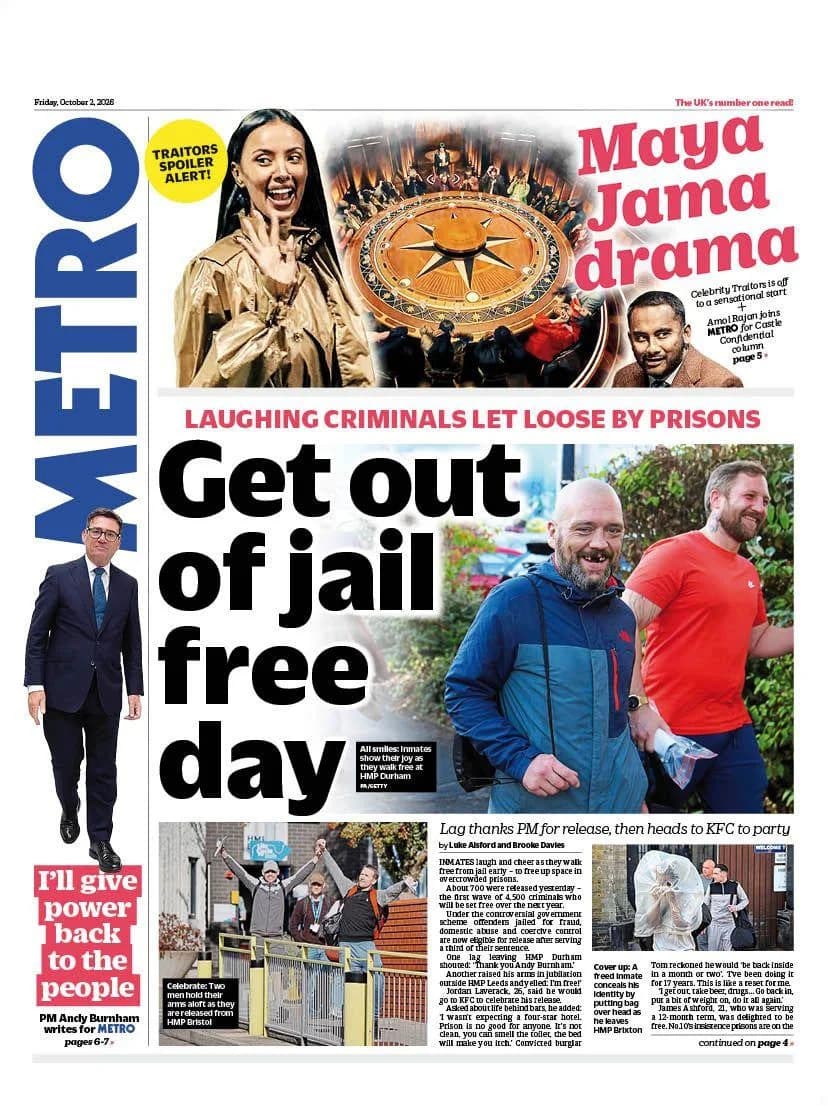
Andy Burnham has suspended the rollout of the Sentencing Act 2026 after a public outcry over provisions that could see many offenders freed earlier than victims and campaigners expected.
What The 2026 Sentencing Act Would Change
The Act sets new automatic-release points: most non-violent offenders and those jailed for violent offences of under four years could be released after serving 33% of their sentence, while offenders serving more than four years for violent or sexual crimes would be eligible for release at the 50% point. Only a narrow list of the most serious offences is excluded, and prisoners serving life terms are not eligible for early automatic release under the new rules.
High-Profile Case That Helped Fuel The Debate
Public alarm intensified after reports that two men, jailed for 13 years for their roles in the 2019 manslaughter of PC Andrew Harper — who was fatally dragged behind a car for 1.6km while responding to a reported theft — could become eligible for earlier parole under the Act. Harper's widow successfully campaigned for "Harper's Law" after the killing, but that law is not retrospective and does not affect existing sentences.
Why The Policy Provoked Strong Reaction
Victims of rape, child sexual abuse and other violent crimes have been informed that their attackers may now face shorter time in custody than they expected, prompting anger and feelings of betrayal. Commentators such as David Shipley in The Spectator described the backlash as intense. In response, Burnham paused implementation, but legal and logistical limits on what ministers can unilaterally change make the next steps uncertain.
Prison Capacity And Political Context
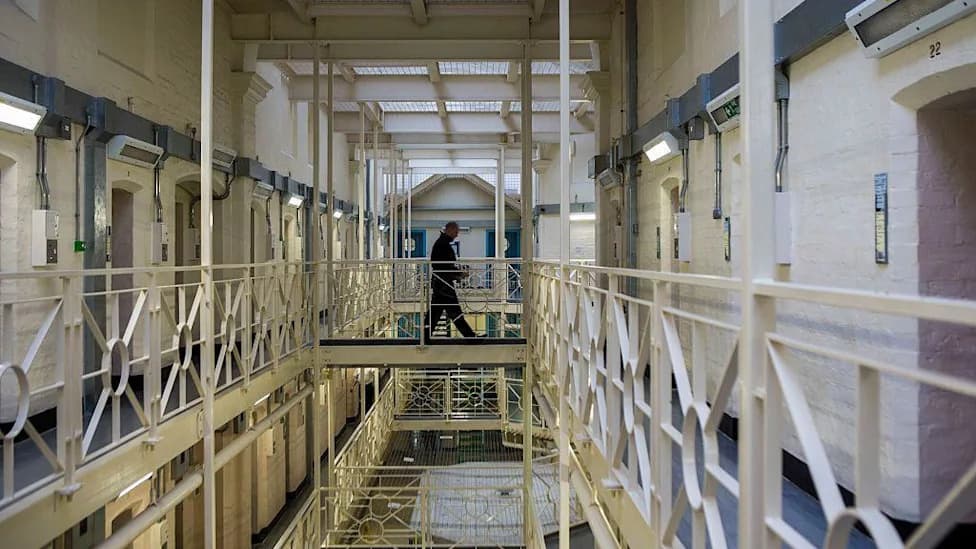
Government officials point to chronic overcrowding as the driving force behind the change. Prisons in England and Wales have long operated near capacity: critics note that only about 500 new places were added over 14 years under previous administrations. Labour has pledged to build 14,000 additional places, but even if delivered on schedule those prisons would not relieve immediate pressure — which helps explain why release thresholds were lowered and the range of eligible offences widened.
Calls For Deeper Reform
Commentators including Ian Birrell argue the crisis reflects deeper problems: the UK incarcerates a higher share of its population than any other Western European country, yet there is limited evidence that longer sentences reduce crime. Prisons are frequently troubled by drug use and offer limited rehabilitation or addiction treatment. Birrell and others point to alternative models, such as Norway's emphasis on rehabilitation, as cheaper and potentially more effective — though they note such approaches would require substantial political courage to implement.
"Breaking the cycle will require bold political leadership," analysts say, urging systemic reform rather than short-term fixes.
As the debate continues, ministers face the twin challenges of responding to victims' anger and addressing an overcrowded prison estate that cannot be expanded overnight.
Help us improve.