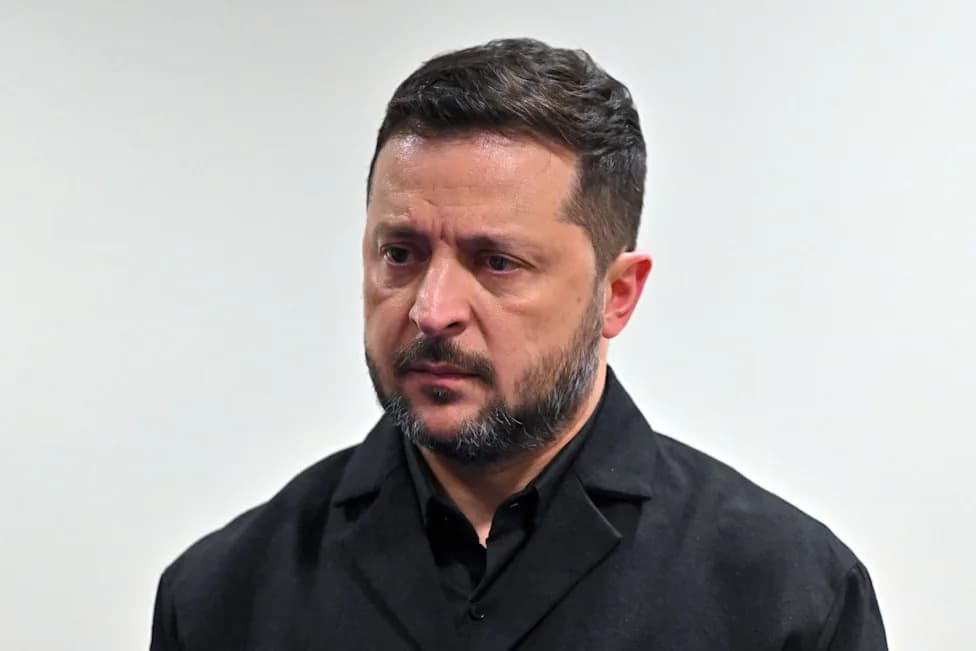
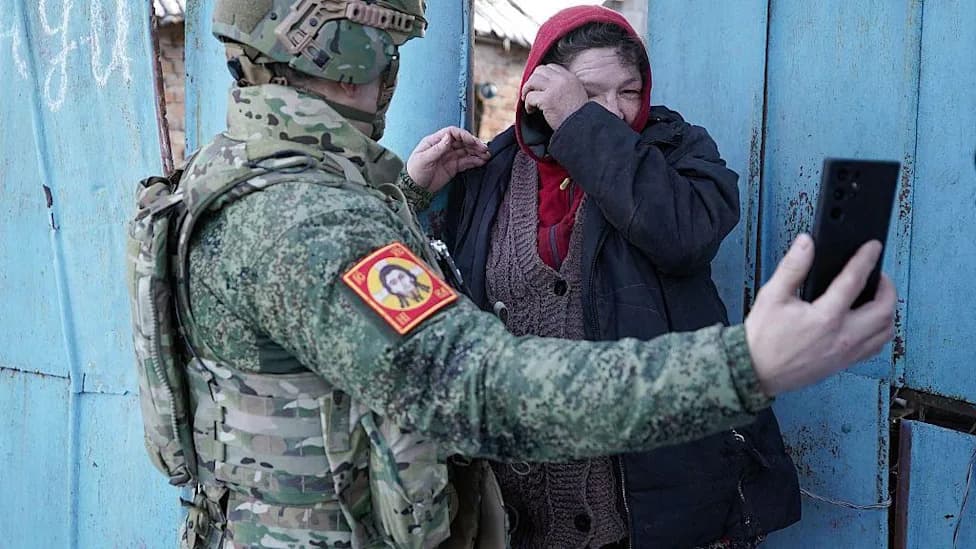
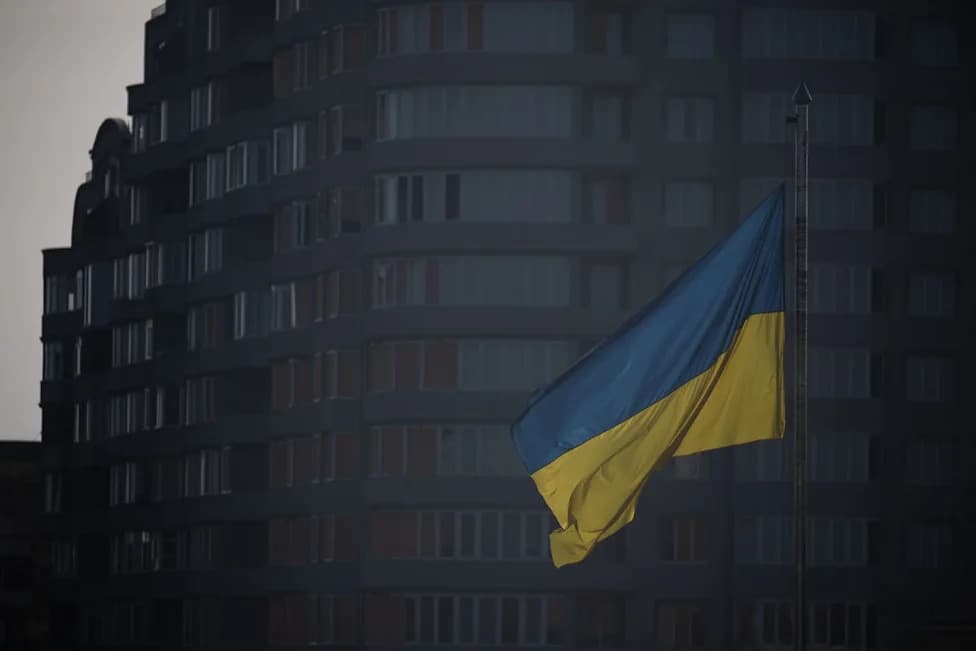
Joint Polish–Ukrainian teams have exhumed more than 50 sets of remains at Volyn sites linked to World War II massacres, conducting detailed forensic work to identify victims and prepare for reburial. Polish estimates place the 1943–45 civilian death toll at roughly 70,000–100,000; investigators say about 30–40% of recovered remains appear to be children. The exhumations occur amid long-standing disputes over responsibility and memory of the Ukrainian Insurgent Army, and officials hope the collaboration can help ease diplomatic tensions.
Exhuming the Past: Poland and Ukraine Unearth Volyn Massacre Victims Amid Diplomatic Rift
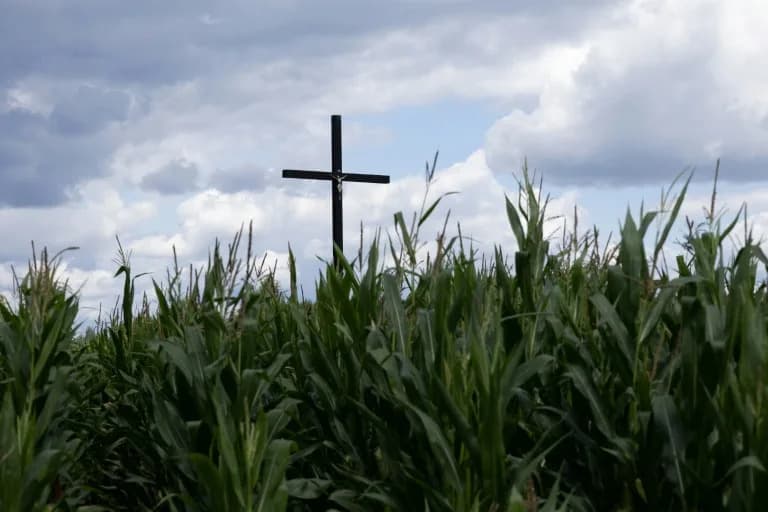
Disagreements over the Volyn massacres have long cast a shadow over ties between Warsaw and Kyiv. (Serhii Okunev)
Teams of Polish and Ukrainian archaeologists are excavating human remains at two abandoned villages in western Ukraine linked to the World War II–era Volyn massacres. The work—carried out amid sunflower fields and nearby woods—aims to recover, identify and respectfully rebury victims whose deaths remain a sensitive element in relations between Warsaw and Kyiv.
Forensic Work and Identifications
So far more than 50 sets of remains have been recovered during a series of exhumations in the area. Forensic specialists and anthropologists are cataloguing bones, measuring and matching broken skull fragments, and recovering personal items such as rosaries, medallions and shoes. Genetic material is being collected and authorities have appealed to families who believe they may have lost relatives to submit DNA samples to help with identification.
“We want to restore their first and last names ... to fulfil the duty that rests on us as heirs of those who were murdered here,”
said Karol Polejowski of Poland’s Institute of National Remembrance (IPN), reflecting the teams’ stated aim to establish identities and provide proper burials.
Anthropologists estimate that roughly 30–40% of the remains recovered so far are children. Investigators will also analyse the bones to estimate age, sex and probable cause of death for each individual.
Historical Context and Diplomatic Fallout
The Volyn massacres, which occurred between 1943 and 1945, remain deeply contested. Polish estimates place the civilian death toll in the region at roughly 70,000–100,000 and attribute most killings to units of the Ukrainian Insurgent Army (UPA). Poland has described the killings as a targeted campaign against the Polish minority; in Ukraine the UPA is often commemorated as part of the struggle for independence, and Kyiv frames many of the episodes as wartime tragedies in which civilians on both sides suffered.
The way the UPA is remembered has become a flashpoint in recent years. A controversy earlier this year over the naming of a Ukrainian military unit after the UPA provoked strong reactions in Poland and intensified political debate on both sides. Polish and Ukrainian leaders have since taken steps to cool tensions and present the joint exhumations as a possible step toward reconciliation.
Local Impact and Next Steps
At the excavation site, a simple wooden cross is one of the few visible reminders that the villages once existed. Officials say they aim to rebury identified victims locally so they can rest in the soil where they lived.
Poland remains a key hub for military and humanitarian aid to Ukraine and hosts hundreds of thousands of Ukrainian refugees, making the bilateral relationship strategically important despite periodic political friction. Organisers hope the forensic work and transparent cooperation will help build mutual trust while providing families with answers about lost relatives.
Note: All figures and attributions are based on the statements of investigators and public estimates. Efforts continue to verify identities through DNA matching and further forensic analysis.
Help us improve.