The recent disruptions in the Strait of Hormuz have underscored how strategically important fertilizer shipments are, with about one-third of global fertilizer transiting the channel. Edward D. Melillo links current supply strains to the war in Ukraine, Belarus sanctions, and Chinese phosphate limits, and traces fertilizer geopolitics back to the 19th-century guano trade. Supply shocks can raise farm costs and feed into higher food prices; responses include diversification, improved storage, precision agriculture, and nutrient recovery to bolster resilience.
Strait of Hormuz Disruptions Reveal Fertilizer’s Strategic Importance — As Vital As Oil

Photo Credit: iStock
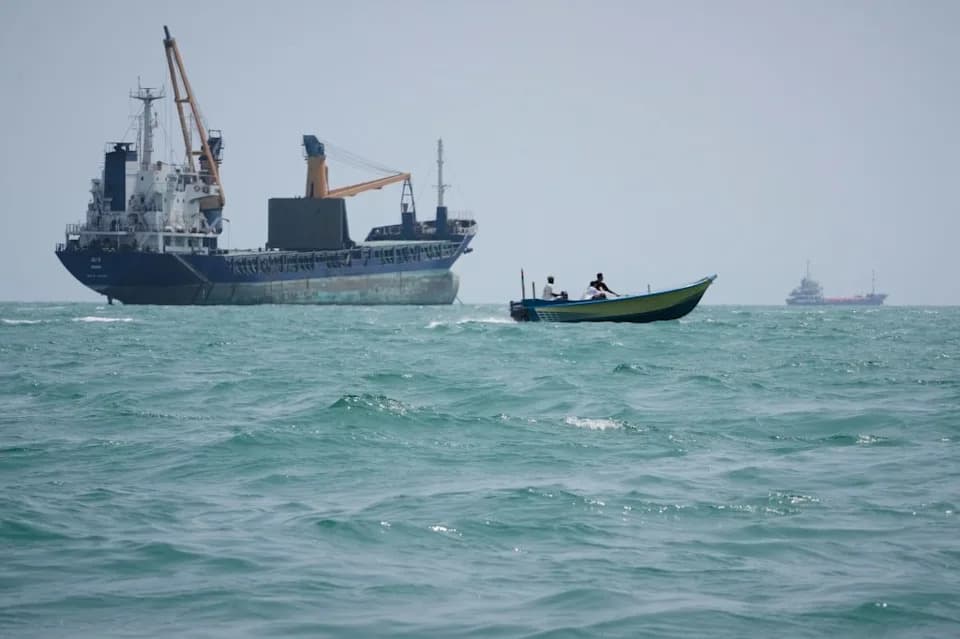
Recent disruptions in the Strait of Hormuz have refocused attention on fertilizer shipments and their geopolitical importance, putting them on par with oil in strategic value. Roughly one-third of global fertilizer shipments normally transit this narrow waterway, revealing how fragile the supply lines that underpin global food production can be.
Why Fertilizer Matters
Most consumers rarely think about the fertilizers that sustain crop yields, but interruptions in key chokepoints can quickly ripple through the food system. Edward D. Melillo, a professor of History and Environmental Studies at Amherst College, notes that current supply pressures compound earlier shocks: market turmoil from Russia’s war in Ukraine, sanctions on Belarus restricting a major potassium source, and Chinese limits on phosphate exports.
Historical Context
Melillo traces the geopolitics of fertilizer back to the 19th century. Before synthetic fertilizers dominated agriculture, farmers in Europe and North America relied heavily on guano — dried seabird droppings rich in nitrogen and phosphorus — imported from islands off Peru and elsewhere. That transoceanic nutrient trade, which Melillo calls the first Green Revolution, replenished exhausted soils and helped feed industrializing populations.
But the guano boom came with severe human costs: hazardous working conditions on Peru's Chincha Islands and links to extractive expansion and imperial power. Chinese indentured laborers faced brutal conditions breaking up compacted guano in ammonia-laced dust. In 1854 the British foreign secretary, the Earl of Clarendon, condemned these abuses, writing:
"I have read with horror and disgust the details therein contained of the cruelties practised on the unfortunate Chinese labourers employed in the export of guano."
Modern Vulnerabilities and Consequences
Today’s abundant food supply depends on more than fertile land: it relies on mined nutrients, global shipping lanes, and the labor that moves inputs from distant places to farms. When prices for nitrogen, phosphorus, or potassium rise, farmers’ costs increase and can push up retail prices for vegetables, grains, and other staples.
Improving Resilience
Policymakers, companies, and farmers are responding. Strategies include diversifying supply routes and sources, strengthening storage and buffer stocks, investing in fertilizer-use efficiency, and deploying precision agriculture technologies to apply nutrients more accurately. Recovering nutrients from manure, food waste, and wastewater also revives older circular approaches that keep fertility local and reduce dependence on mined inputs.
For consumers the effects are indirect but real: smarter nutrient use can blunt future price shocks, reduce pollution from overapplication, and contribute to more stable food supplies.
Source: Edward D. Melillo, The Conversation; reporting synthesizing historical and contemporary analysis of global fertilizer supply chains.
Help us improve.