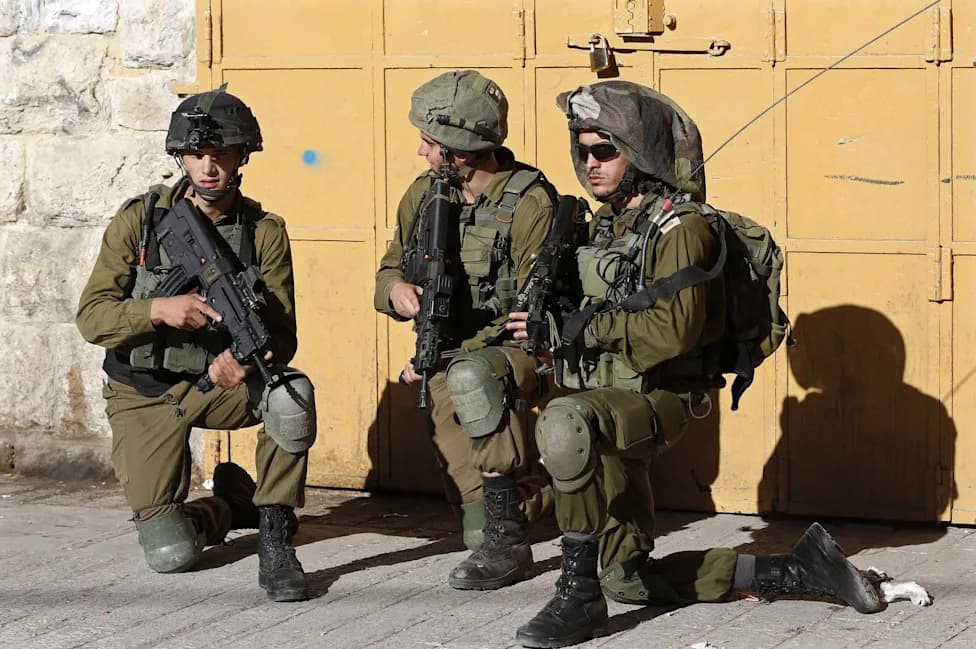
The BBC was granted rare access to the Havat Gilad settler outpost in the occupied West Bank, where resident Yehuda Shimon defended last weekend’s attacks on nearby Palestinian villages as revenge for the killing of the outpost’s security guard and made incendiary statements calling for mass violence. UN OCHA data show that between the start of the year and 20 July, 64 Palestinians were killed in the West Bank — 18 during settler attacks — while at least one Israeli was killed over the same period. The report outlines disputed claims over land, failed attempts to legalise the outpost, and deep asymmetries in security and rights that leave local Palestinians feeling vulnerable and abandoned by the international community.
Inside Havat Gilad: Settler Tells BBC Attacks On Palestinians Are 'Revenge' — Access Reveals Rising Violence
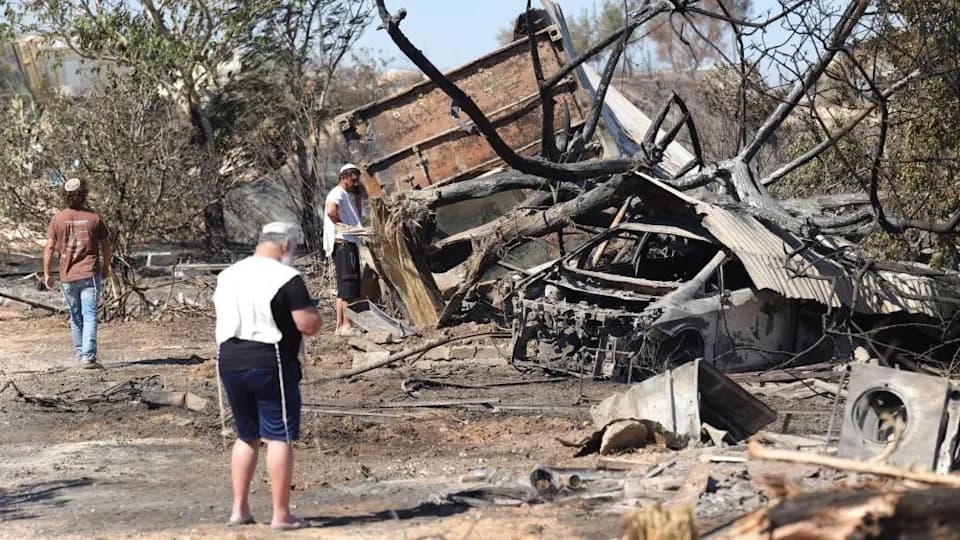
Settlers at Havat Gilad say houses there were burnt down by Palestinians. Police say the cause was accidental. [EPA]
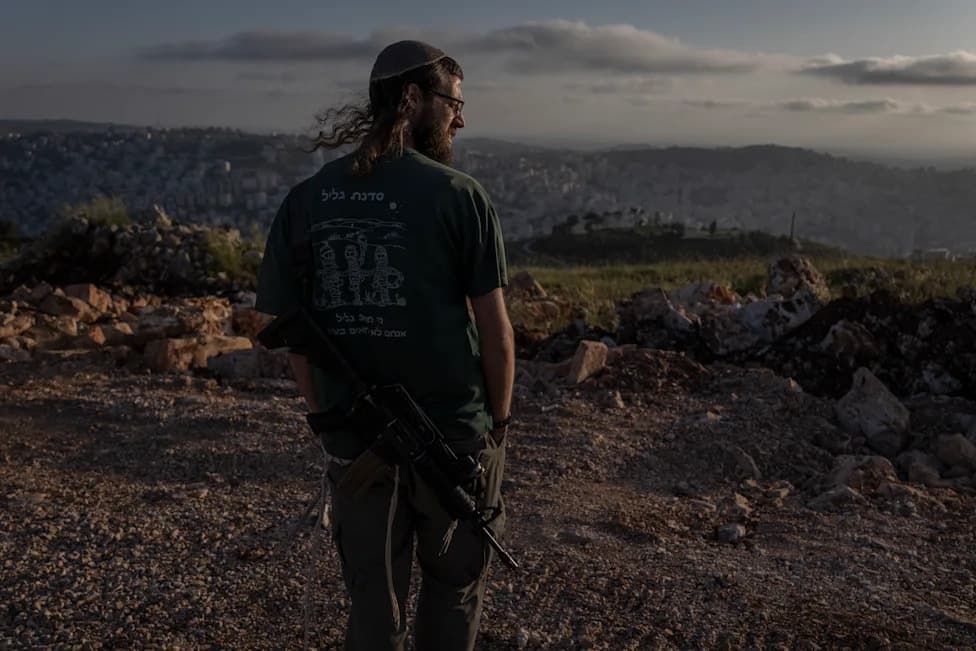
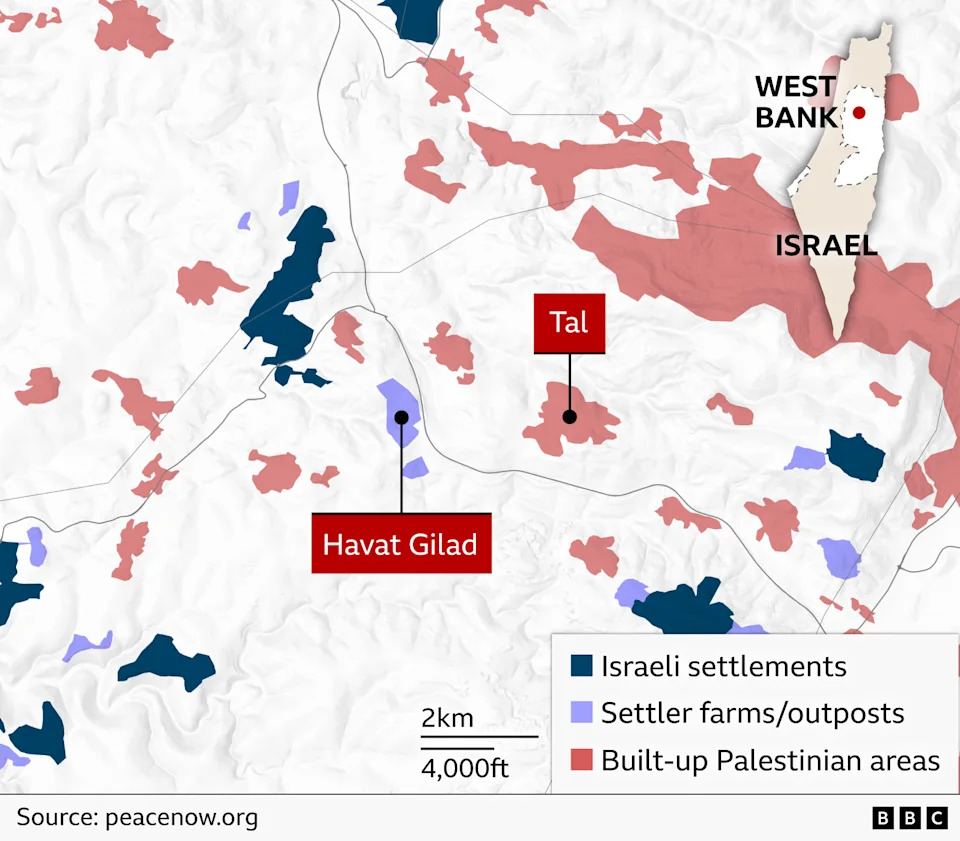
The Israeli settler outpost of Havat Gilad, deep inside the occupied West Bank, sprawls across several hilltops. Its simple block houses and sheds are visible from nearby Palestinian villages that ring the outpost.
Last weekend a series of violent incidents erupted after an Israeli security guard from Havat Gilad was killed during a confrontation in the village of Tal. Four Palestinians and an Israeli soldier also died in the broader incident, though the exact sequence of events remains disputed.
Access by international media to outposts such as Havat Gilad is rare. On this occasion, the BBC was granted entry and spoke with Yehuda Shimon, a lawyer who represents Israelis arrested for violence against Palestinians. His statements illuminate the hostility and rhetoric fueling tensions around the outpost.
"I think now, after they killed one Israeli, we need to kill all the people in Tal and Sarra, even Jit and Farata," he told the BBC. When challenged that this equated one Jewish life with many Palestinian lives, he replied: "No. Millions. One Jewish life, it's 10 million [Palestinians]."
When pressed about the racist nature of his remarks, Shimon did not deny them, saying: "Yes, I know. But this is the truth, because God chose us [and] because of this you are jealous." These extreme views are rejected by many Israelis, but they help explain the rhetoric and motivations behind some settler violence.
[BBC]
Havat Gilad was established more than 20 years ago in memory of an Israeli security officer killed by Palestinians. It is an unauthorised outpost — built without formal Israeli planning permission or oversight — and sits amid disputes over land ownership. The Israeli monitoring group Peace Now says much of the land under the outpost is recognised by Israel as privately owned by Palestinians, complicating government attempts to legalise the settlement. The state has reportedly designated a separate patch of land south of the outpost as state land to facilitate additional construction.
During the BBC visit, a row of recently burned buildings was seen near the outpost entrance. Settlers said Palestinians set the fires; Israeli police said they were treating the blaze as accidental, possibly caused by a cigarette thrown from a car.
Shimon dismissed international law and legal objections, arguing biblical entitlement gives Jews the right to the land. He also criticised Israel's government and army for not using lethal force more readily against Palestinians during confrontations, accusing authorities of treating Palestinians and Israelis differently when clashes occur.
"The Israeli government and the Israeli army, they like the United Nations — if Palestinians come and Jewish people come, [they] don't kill the Palestinians, [they] just separate the people," he said. "Afterwards, because they don't kill Palestinians, the Palestinians kill us."
These claims run counter to monitoring data. The UN Office for the Coordination of Humanitarian Affairs (OCHA) reports that between the start of the year and 20 July, 64 Palestinians were killed in the West Bank, 18 of them during settler attacks. OCHA says at least 12 of those deaths were caused by settlers, three by Israeli forces, and three remain under investigation; in the same period OCHA records one Israeli fatality. OCHA also reports a sharp rise in injuries from settler attacks, to an average of more than three people harmed per day this year.
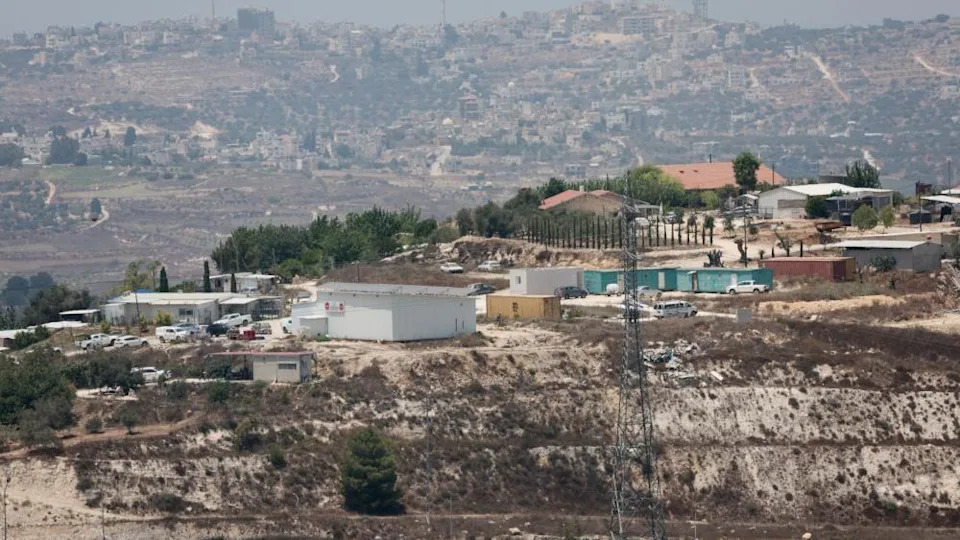
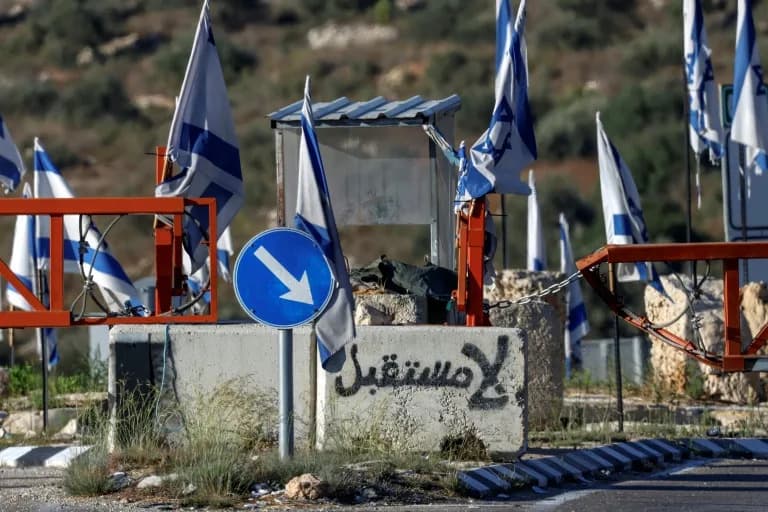
Havat Gilad is one of hundreds of illegal outposts which have sprung up across the West Bank in recent years [Reuters]
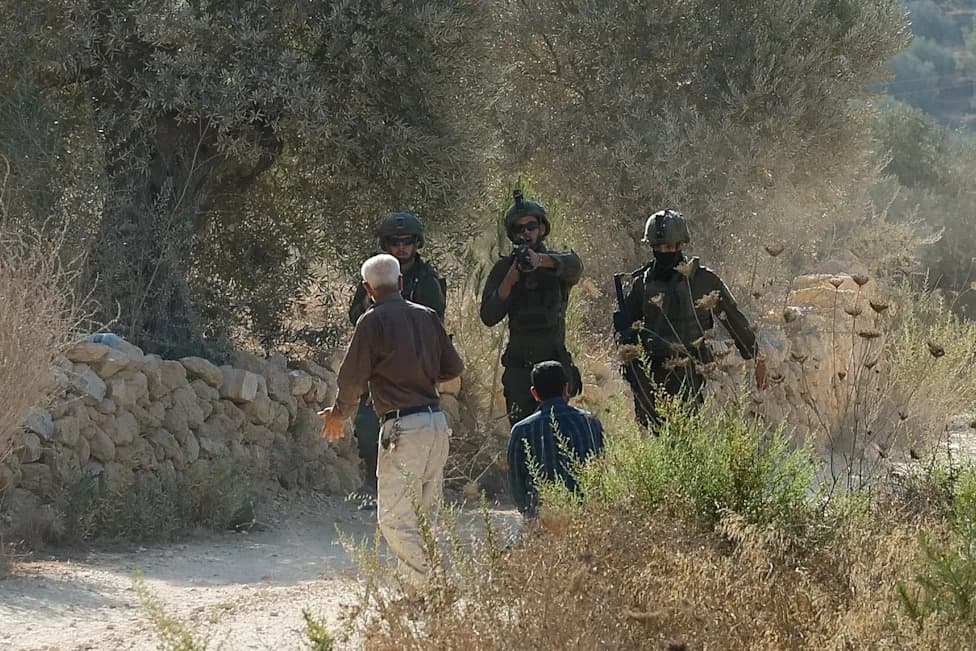
Local power imbalances are stark. Israel occupied the West Bank in 1967 and has built hundreds of settlements and numerous unauthorised outposts that now house more than half a million Israeli settlers. Settlers are protected by the Israeli army and by armed local security units staffed in many cases by settlers themselves. Palestinians in the West Bank live under a military regime, face military courts, and encounter road closures and checkpoints; prominent human rights groups have described elements of this system as amounting to "apartheid," a characterization Israel rejects.
Asked what should happen to Palestinians living near the outpost, Shimon put forward three options: accept life under Israeli rule on land he described as Jewish-owned, emigrate voluntarily to other Arab or Muslim nations, or — if neither option was accepted — be killed. That rhetoric echoes elements of a 2017 blueprint by Bezalel Smotrich, now Israel's Finance Minister, which proposed pressuring Palestinians to abandon statehood claims, encouraging migration, and using force against those who continued armed resistance.
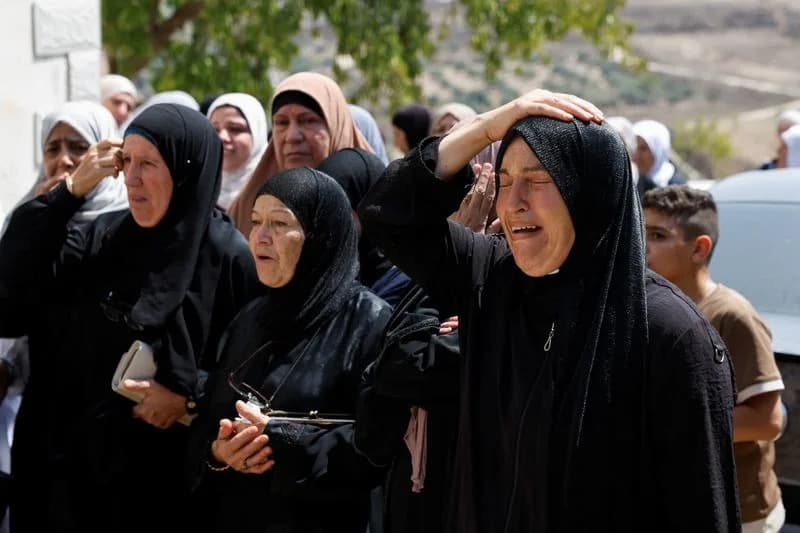
Palestinians living within sight of Havat Gilad described constant worry about settler attacks. "I watch the outpost from my window all the time," one woman said, fearful of another assault. Residents told the BBC they feel unprotected — believing the Israeli army focuses on safeguarding settlers, that Palestinian security forces are absent, and that the international community has little appetite to intervene.
"It's a very bad situation," one resident said. "Europe is busy, America is occupied with Iran, China doesn't care, Russia is fighting Ukraine, the UN are finished and the Arabs have internal problems. We don't know what we can do."
From Havat Gilad, Palestinian villages lie less than a mile away, yet the landscape is divided by law, military force and mutual hostility. The outpost and incidents around it illustrate how extremist rhetoric, disputed land claims and asymmetries of power fuel recurring cycles of violence in the West Bank.
Help us improve.