An unusual pair of Pacific cyclones in April 2026 briefly disrupted trade winds and may have produced a Kelvin wave that signals early El Niño development. PBS Terra draws parallels with the devastating 1877–78 El Niño, linked to the Great Drought and an estimated 50 million deaths, while emphasizing that social and political failures amplified the historic disaster. Modern forecasting, agriculture and aid reduce the chance of a comparable famine, but weakened institutions, cuts to services and overlapping crises could leave vulnerable communities at risk. Early monitoring and targeted resource allocation are critical to limit impacts.
Twin April Cyclones May Have Seeded a Super El Niño — 1877 Offers a Stark Warning
Photo Credit: iStock
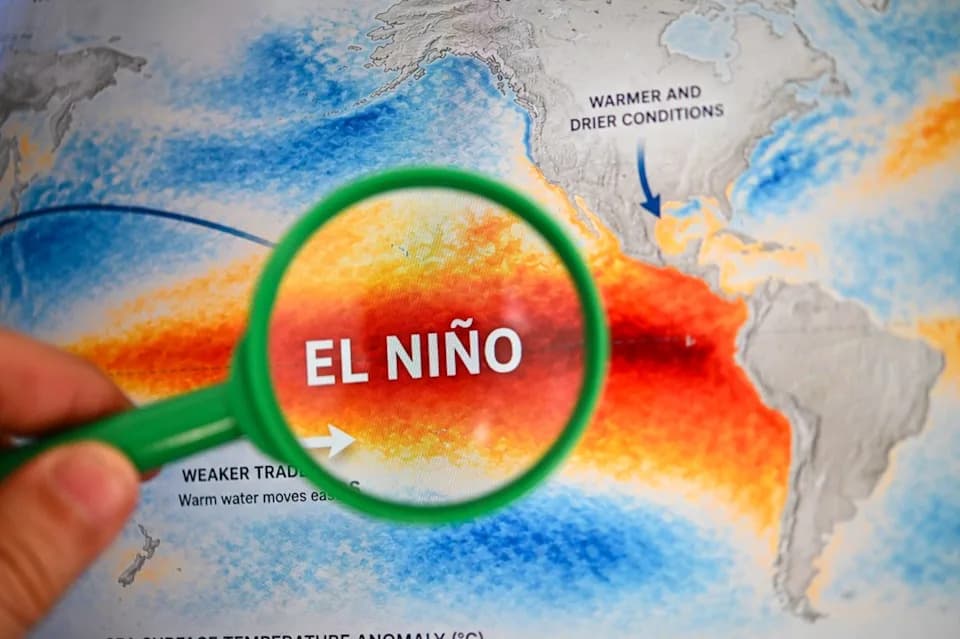
An unusual pair of Pacific cyclones in April 2026 briefly disrupted the tropical trade winds and may have helped generate a large Kelvin wave — a common precursor to El Niño. Scientists and communicators are watching closely because the emerging pattern has prompted comparisons to the catastrophic 1877–78 El Niño and its global consequences.
What Happened in April 2026
Two cyclones formed on opposite sides of the equator and temporarily weakened the trade winds that normally keep warm water concentrated in the western Pacific. That interruption could have allowed warm water to surge eastward as a Kelvin wave, signaling the early stages of an El Niño event.
Why the 1877–78 El Niño Matters
The 1877–78 episode is widely regarded as one of the strongest El Niños on record and is associated with the period known as the Great Drought. Contemporary accounts and later analyses link the event to widespread crop failures, famine and, by some estimates, more than 50 million deaths worldwide — a reminder that climatic shocks can have devastating human consequences when social systems fail.
Possible Global Impacts
If a strong El Niño develops, scientists say it could alter weather patterns around the world: drying the Amazon, disrupting monsoons in South and Southeast Asia, intensifying heatwaves across large regions of Asia, and changing hurricane and storm activity in other basins. Those remote effects can translate into crop losses, dangerous heat, and water shortages far from the tropical Pacific.
Context: Why Weather Alone Isn’t the Whole Story
As PBS Terra and historians note, the 19th-century catastrophe was driven not only by climate but also by social and political factors — colonial extraction, grain exports, war and the collapse of local safety nets turned drought into mass starvation. The same climate signal can have very different outcomes depending on governance, aid, and economic conditions.
Modern Safeguards — And Remaining Vulnerabilities
Today’s world has stronger defenses: modern agriculture, international food trade, improved forecasting and organized humanitarian response reduce the likelihood of a famine on the 1877 scale. However, those protections depend on functioning institutions and funding. Cuts to aid programs and to weather, ocean and climate science, along with conflicts and economic shocks, would weaken the ability to deliver timely support and early warnings.
“Ultimately, what matters is not how strong the El Niño is. What matters is how strong the impacts are around the world,” the PBS Terra narrator says. “We can allocate resources to places that we think would need them because we know that the impacts are likely to be severe.”
What To Watch For
Monitoring ocean temperatures, trade-wind behavior and Kelvin waves can give earlier warning of an emerging El Niño and allow governments and aid agencies to target resources — from drought preparedness and seed distribution to water management and health services — where they will do the most good.
Bottom line: The April 2026 twin cyclones may have nudged the Pacific toward powerful warming, but the human toll will depend largely on preparedness, governance and timely aid, not only on sea-surface temperatures.
Help us improve.