Mauricio Claver‑Carone has stepped away from his informal role coordinating U.S. engagement with Venezuela. He said the move was voluntary after an expanded interagency team was formed, but Reuters sources say he was pushed out over conflict‑of‑interest concerns related to his private fund and business ties. Caleb Orr and Marco Rubio remain central decision‑makers, so U.S. policy direction may not shift immediately, though uncertainty persists for companies and creditors involved in Venezuelan deals.
Mauricio Claver‑Carone Steps Back: Unofficial Venezuela Power Broker Leaves Amid Conflict‑Of‑Interest Scrutiny
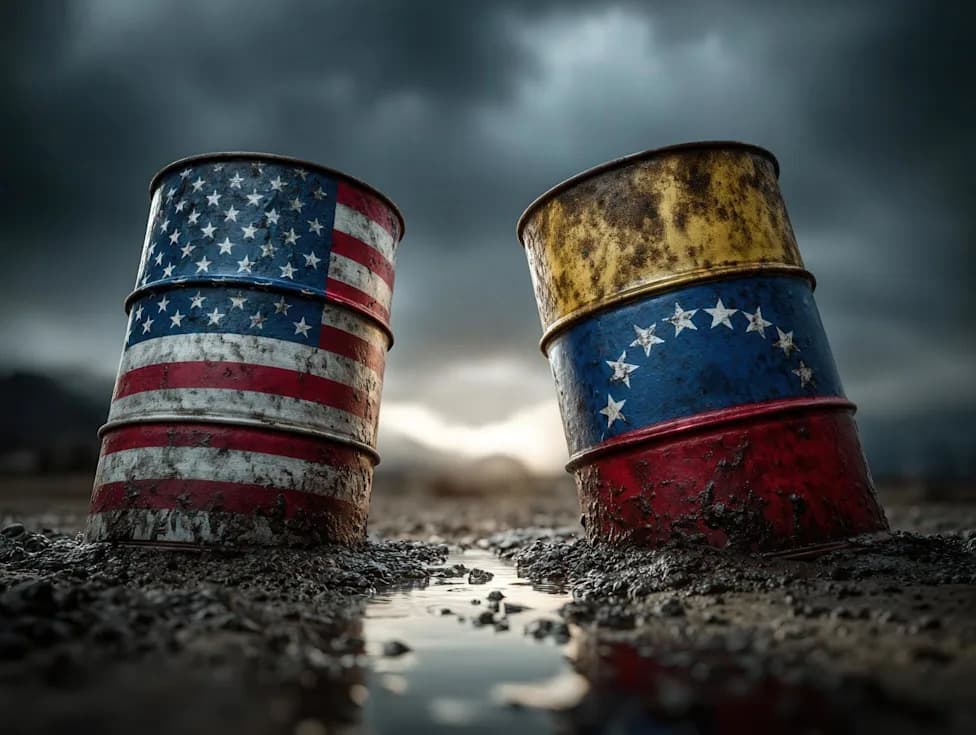
USA and Venezuela Oil Deal ©Adobe Stock
Mauricio Claver‑Carone has stepped away from his informal role overseeing the Trump administration’s Venezuela portfolio, ending a behind‑the‑scenes influence that blended private business ties with high‑level policy access. He characterized the move as voluntary after officials expanded the interagency team and rebuilt embassy operations; multiple Reuters sources said he was effectively pushed out amid concerns about the scope of his sway.
What He Did
Operating from Miami as a private citizen, Claver‑Carone helped shape oil agreements, brokered talks between Caracas and opposition leaders, and played a pivotal role in awarding Centerview Partners a controversial mandate to help restructure roughly US$200 billion in Venezuelan liabilities — a contract reportedly worth more than US$150 million and awarded without a formal competitive bidding process.
Controversies And Conflicts
Conflict‑of‑interest questions followed because Claver‑Carone controls the Latin America Real Assets Opportunity Fund while acting as an informal intermediary between U.S. officials, Venezuelan authorities and private companies. He denied any personal financial stake in Venezuelan deals. Critics also pointed to his ties with Venezuelan businessman Alejandro Betancourt and to objections from figures such as former U.S. ambassador Richard Grenell.
“I'm retired on Venezuela,” Claver‑Carone told Reuters.
Official Response And Remaining Players
The State Department emphasized Claver‑Carone held no formal government post and therefore could not be removed from one. It said any suggestion he was being ousted from an official role was inaccurate, while not directly addressing whether officials had asked him to stop advising informally. Assistant Secretary for Economic, Energy and Business Affairs Caleb Orr remains a central decision‑maker, and Secretary of State Marco Rubio continues to lead on Venezuela policy.
What Changes — And What Doesn't
Claver‑Carone's exit removes a central intermediary but does not automatically void contracts or reverse policy. The administration’s priorities — reopening Venezuela’s oil sector, resolving sovereign debt and expanding U.S. corporate access — are likely to remain unless senior officials change course. For energy companies and creditors, the immediate questions are whether processes will become more transparent, whether previous deals will be reexamined, and who will now manage sensitive negotiations.
Background
Claver‑Carone previously served as the special envoy for Latin America early in the Trump administration, helped craft the first administration’s sanctions approach toward Nicolás Maduro’s government, and later served as president of the Inter‑American Development Bank.
Help us improve.