Dr. Fatima Ameaka, a Johns Hopkins public health researcher and former Fulbright scholar, was arrested by ICE while boarding a flight at Baltimore-Washington International Airport and is being held at the South Louisiana ICE Processing Center. The detention comes amid an uptick in airport arrests and newly disclosed memoranda showing formal data sharing between TSA and ICE. Johns Hopkins says it is assisting Dr. Ameaka and ensuring she has legal representation. Watchdog groups and lawmakers have raised concerns about the implications of TSA–ICE information sharing for travelers and visiting academics.
Johns Hopkins Researcher Arrested at Baltimore Airport as ICE–TSA Data Sharing Raises Concerns
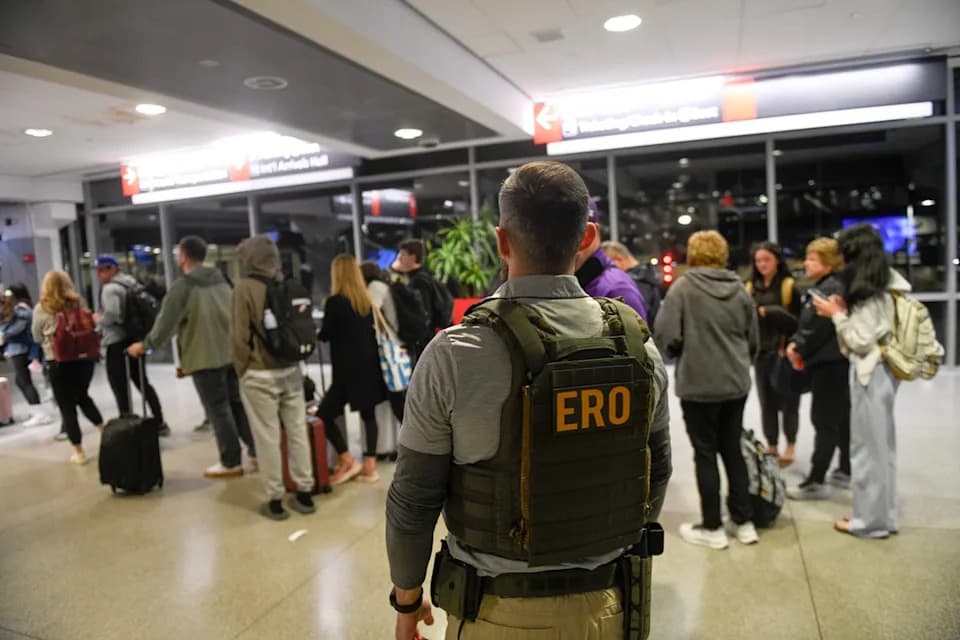
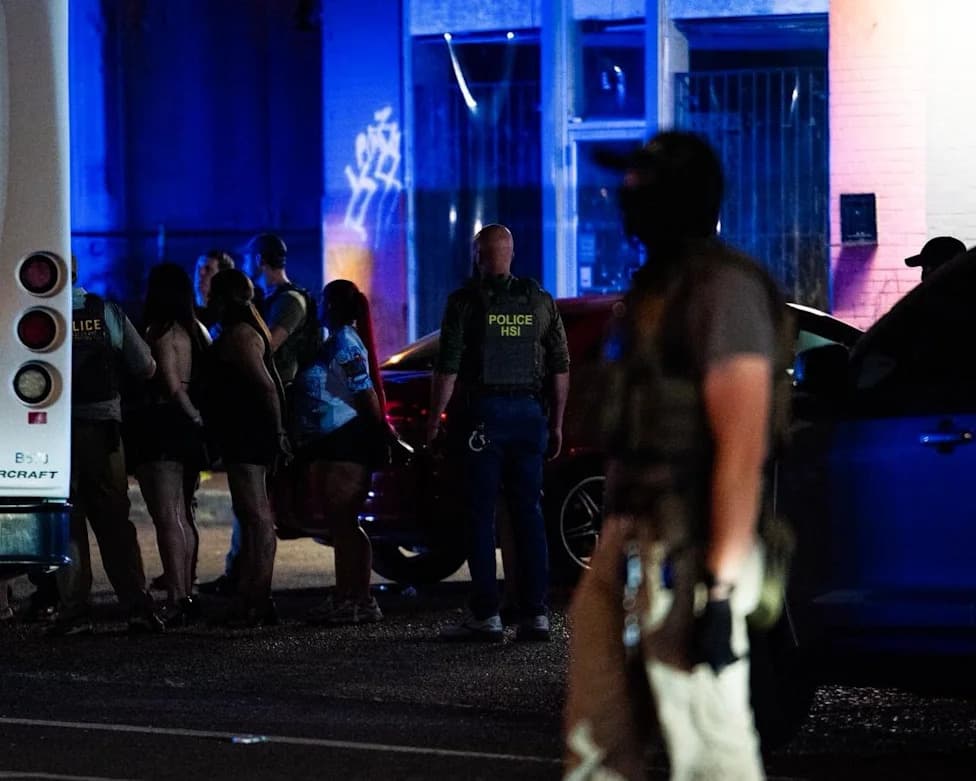
A public health researcher at Johns Hopkins University was arrested while boarding a domestic flight in Baltimore, the latest ICE arrest in apparent coordination with TSA (Getty)
A Johns Hopkins public health researcher, Dr. Fatima Ameaka, was detained by U.S. Immigration and Customs Enforcement (ICE) agents this week while boarding a domestic flight at Baltimore-Washington International Thurgood Marshall Airport. According to ICE's detainee locator, she is being held at the South Louisiana ICE Processing Center, roughly 90 miles from Baton Rouge.
Dr. Ameaka is a senior analyst at the Center for Outbreak Response Innovation within the Bloomberg School of Public Health and a former Fulbright scholar from Cameroon. Immigration officers arrested her on allegations that she had overstayed a visa.
The arrest, first reported by The Baltimore Banner, comes amid a noticeable rise in airport detentions and increased operational coordination between ICE and the Transportation Security Administration (TSA). Recently disclosed memoranda describe a formal data-sharing arrangement that gives enforcement officials access to certain passenger information for what agencies describe as "aviation security."
What Officials Say
The Department of Homeland Security told reporters that Dr. Ameaka entered the United States on a visa in June 2023 that it says authorized her to remain until mid-2024. An agency spokesperson was quoted as saying, "Being in detention is a choice."
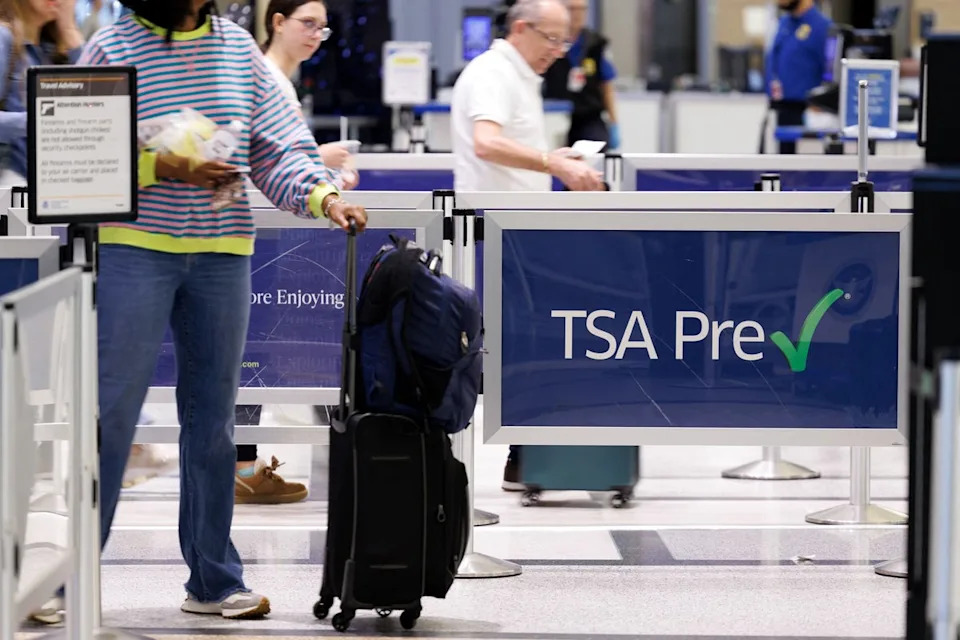
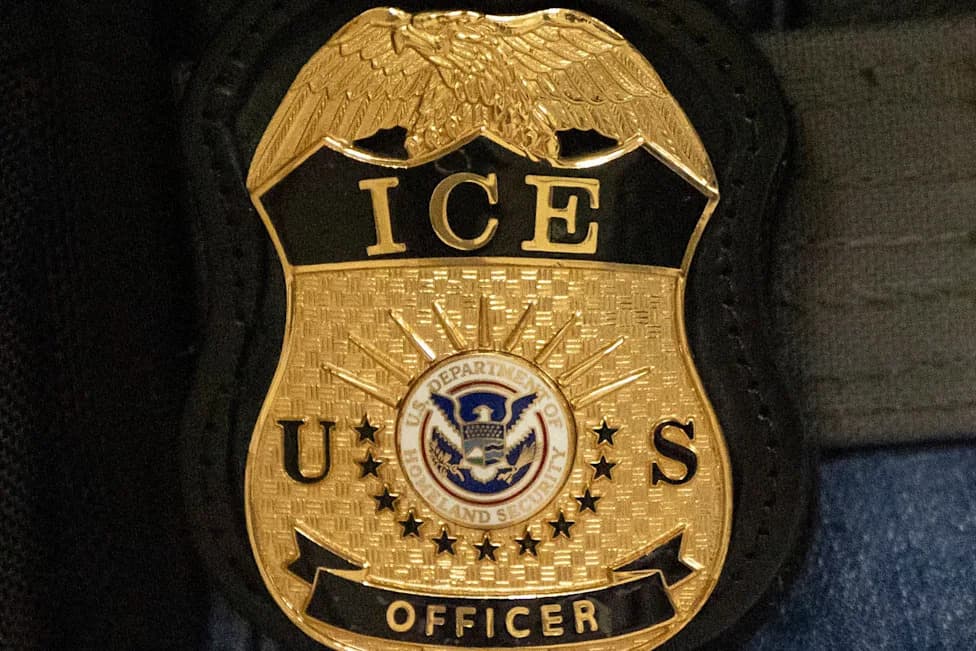
Newly released documents reveal an apparent data-sharing agreement between ICE and TSA to identify immigrants traveling in American airports who could be targets for removal from the country (AFP/Getty)
University Response and Legal Support
Johns Hopkins University said it is "deeply concerned" about the arrest. In a statement, university spokesperson Doug Donovan said the institution recognizes the anxiety the incident has caused and is providing support to Dr. Ameaka, including efforts to ensure she has access to legal representation. The university also noted that she was traveling in a personal capacity.
Broader Context: Data Sharing Between TSA and ICE
Watchdog group American Oversight obtained memoranda suggesting that TSA and ICE have been working together since at least May 2025 to share passenger data and identify travelers who may be subject to immigration enforcement. The documents describe procedures for how TSA-provided information can be used and retained by ICE.
"Americans provide their personal information to board a plane safely, not to become part of an immigration enforcement system or a government surveillance network," said Chioma Chukwu, Executive Director of American Oversight.
During congressional testimony, Acting TSA Administrator Ha Nguyen McNeill denied that TSA sends passenger lists to ICE for removal purposes, saying, "That is not what is occurring," and emphasizing that TSA shares information within its authorities for security purposes. The discrepancy between the testimony and the newly disclosed memoranda has drawn scrutiny from lawmakers and civil liberties groups.
Why This Matters
Immigration advocates and legal experts note that apparent visa overstays can stem from complex, time-consuming processes such as visa renewals or pending applications for permanent status. Still, critics say that expanded data sharing and airport enforcement increase the risk of detaining students, researchers, and other noncitizen visitors who may have legitimate claims to remain in the U.S.
Dr. Ameaka's arrest is part of a pattern of high-profile detentions of international scholars at major U.S. institutions, raising questions about the balance between aviation security and the protection of academic exchange and due process.
Help us improve.