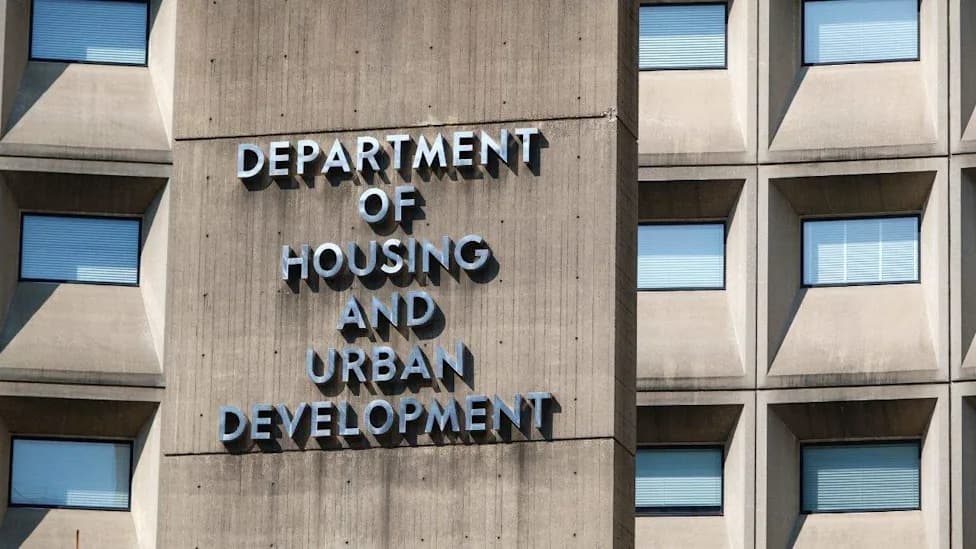
For more than three decades, the federal Housing Opportunities for Persons With AIDS (HOPWA) program has helped people living with HIV secure stable housing — a proven determinant of effective treatment and better health outcomes. The Trump administration is now directing HOPWA grantees to verify clients' citizenship or immigration status through the Department of Homeland Security's Systematic Alien Verification for Entitlements (SAVE) system, a move that advocates say could delay or block life‑saving housing assistance.
Conflicting Guidance From HUD
Recent HOPWA grant agreements include contractual language requiring grantees to use SAVE, according to the National HIV/AIDS Housing Coalition. At the same time, some Department of Housing and Urban Development (HUD) officials have told grantees not to begin such checks until HUD issues formal implementation guidance, leaving providers with mixed messages.
“They're hearing two different things,” Lauren Banks, the coalition's executive director, told The Advocate.
How SAVE Works And Why It Matters
To create a SAVE case, an agency must submit an applicant's name, date of birth, the benefit requested and at least one unique identifier (for example, an Alien Registration Number, I‑94 number, citizenship or naturalization certificate number, certain USCIS card or receipt numbers, or — for an initial check only — a Social Security number). USCIS says SAVE cannot verify status using only a name, driver's license number or a U.S. passport number.
Most initial SAVE queries return results within seconds. When a case does not resolve automatically, USCIS requires additional verification, typically a manual review that the agency said was taking roughly five federal workdays as of July. USCIS may also request copies of immigration documents or other information from the applicant.
Practical Consequences For People With HIV
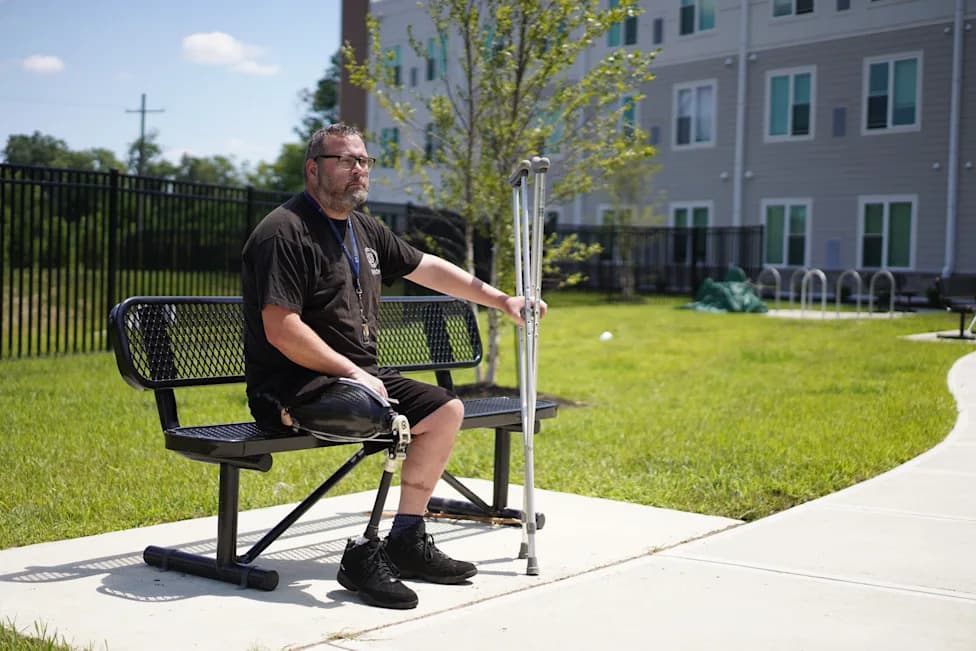
Advocates warn that even a brief administrative delay can have severe consequences for people living with HIV who are poor, unstably housed or exiting homelessness: a night in a shelter, a utility shutoff, or an eviction. Many people entering HOPWA do not have ready access to birth certificates, immigration records or other documents SAVE may require.
“It is a burden of proof that people have to provide, which is really a problem,” Banks said. She added that the requirement risks deterring eligible people — particularly those in mixed‑status households — from applying at all.
Legal And Operational Uncertainties
In November, the administration declared that HOPWA formula and competitive grants are federal public benefits covered by eligibility restrictions in the 1996 welfare law (the Personal Responsibility and Work Opportunity Reconciliation Act, or PRWORA). HUD said HOPWA and other covered programs are subject to the law's verification provisions but did not provide complete instructions on how verification must be performed.
HUD indicated it would issue additional guidance for government grantees with SAVE access and for nongovernmental recipients, and acknowledged an unresolved distinction: charitable nonprofits that administer federal benefits are generally not required to run immigration checks themselves, while state and local governments remain responsible for ensuring compliance. Advocates have urged providers to wait for HUD's final instructions rather than impose new documentation requirements prematurely.
Scope Of HOPWA And Why Changes Matter
HOPWA is the only federal program devoted specifically to housing for low‑income people with HIV and their families. It can pay for ongoing rental assistance, emergency and facility‑based housing, security deposits, and short‑term rent, mortgage and utility assistance. Grantees may also fund case management, mental‑health care, substance‑use treatment and employment services.
According to coalition estimates cited by advocates and HUD budget documents, HOPWA provides housing assistance to roughly 55,000 households and supportive services to about 60,000 households each year. A September 2025 analysis by Georgetown University's O'Neill Institute cited estimates that 370,000 people with HIV have housing needs and 100,000 were experiencing homelessness.
Evidence On Health And Cost Outcomes
HUD research links stable housing to better HIV outcomes: using 2019 data, HUD reported that 98% of clients receiving tenant‑based rental assistance achieved housing stability and that HOPWA was associated with 41% fewer emergency department visits and a 23% reduction in detectable viral loads in a joint HUD‑CDC study.
Policy Context And Future Risks
Advocates say the SAVE requirement adds administrative burdens at a time when the administration has also proposed eliminating HOPWA in its fiscal 2027 budget, directing people with HIV toward a broader emergency housing program capped at two years. Congress appropriated $529 million for HOPWA in fiscal 2026; the administration's proposal would reduce that funding to zero.
Questions Still Unanswered
- Does the SAVE provision apply to current participants, new applicants, or both?
- Must nonprofit project sponsors run SAVE checks directly, or only government grantees with SAVE access?
- Should HOPWA assistance continue, be delayed, or be denied while SAVE reviews are pending?
HUD did not respond to requests for clarification. A USCIS spokesperson pointed reporters to the agency's general SAVE guidance and referred HOPWA‑specific questions back to HUD.
Bottom Line
Advocates warn that requiring SAVE checks without clear implementation guidance risks introducing new barriers to an essential program at a vulnerable moment for many clients. For people for whom HOPWA is the last available resource, even short verification delays can be life‑altering.