The BBC obtained CCTV showing autistic and learning-disabled pupils being locked in calming rooms and mistreated at Whitefield special school in north London. Ten families, represented by Leigh Day, are suing the former trust and Waltham Forest council for false imprisonment and human-rights breaches. A local review found restraint and seclusion had become "normalised," and campaigners say recent recording rules are insufficient to prevent future abuse.
Parents Sue After BBC Reveals 'Inhumane' Use Of Calming Rooms At Special School
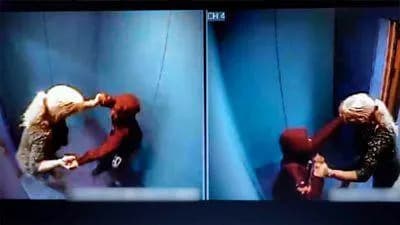
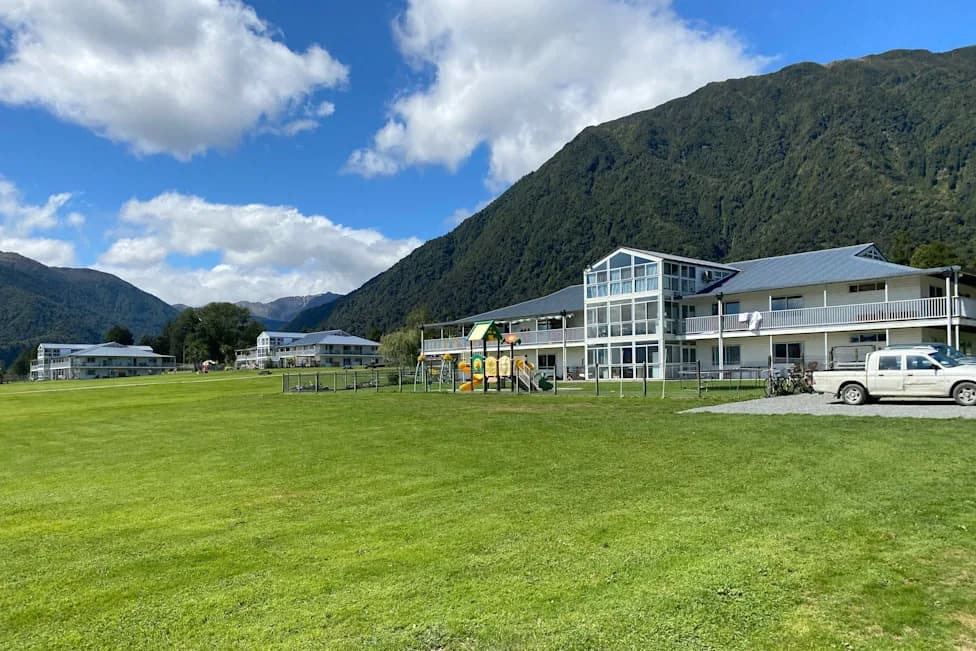
The BBC investigation began after being shown footage of children in calming rooms at Whitefield School in north London [BBC]
Ten families have launched a civil lawsuit after a BBC investigation uncovered CCTV footage showing autistic and learning-disabled pupils being locked alone in calming rooms and subjected to mistreatment at Whitefield special school in north London.
The leaked footage, recorded between 2014 and 2017 and first made public in 2021, reportedly shows children being pushed into padded rooms, thrown to the floor, restrained around the neck, or left alone for extended periods — in at least one case sitting in their own vomit. One 12-year-old appears in more than 55 hours of footage filmed inside the seclusion spaces.
Allegations and Legal Action
Lawyers from Leigh Day are bringing a civil claim on behalf of 10 families against the trust that ran the school and the London Borough of Waltham Forest. The claim alleges false imprisonment and breaches of the children’s human rights; the firm describes the practices as "barbaric" and profoundly harmful to pupils and their families.
"What was done to these children was profoundly harmful, and its impact continues to be felt by families every day," says Alison Millar, who is leading the legal action.
Investigations, Reviews and Responses
A police investigation into the recorded incidents concluded two years ago without any charges. Separately, a delayed review commissioned by Waltham Forest concluded last month that restraint and seclusion had become "normalised" at the school and that a culture developed allowing "pejorative views of non-compliant children." The review reported that parents described the practices as "unimaginable" and "inhumane."
The BBC has also identified evidence of mistreatment in seclusion rooms at other schools in the UK, including footage reportedly showing a child being unlawfully restrained and another kept inside a cage.
The Department for Education (DfE) has introduced a statutory duty requiring schools to record and report instances of seclusion. Campaigners and the affected families, however, say this measure alone is insufficient to prevent abuse and will not guarantee that similar incidents cannot recur.
Voices From Families and Campaigners
Documents seen by the BBC indicate that some seclusion incidents at Whitefield were recorded by staff. For example, an observation report described how a pupil, David Gloria, spent three hours in a calming room, crying 38 times and repeatedly asking to be released; the report recorded that he felt "confused" and did not understand why he was there.
David's father, Ricardo, said families have been left to support traumatised children and that delays in investigating and addressing the issue have hindered justice. Campaigners, including Jacqui Shurlock of the Challenging Behaviour Foundation, have called on the DfE to take stronger action to prevent the misuse of spaces presented as therapeutic but used for prolonged seclusion.
Current School Governance
Flourish Learning Trust, which ran Whitefield when the footage first emerged, says it no longer operates any schools and that none of the prior leadership remain in post. Whitefield School is now overseen by a different trust, which says it supports the outcomes of the review and has been working to transform the school and improve care, dignity and support for pupils.
A Waltham Forest spokesperson said the council is aware of the civil action and would not comment further while legal proceedings are ongoing. The DfE has been asked for a formal response to the allegations.
Broader Concerns
Advocates warn the case highlights systemic risks when seclusion becomes an accepted tool rather than a last resort. They call for stronger safeguards: clearer statutory rules, transparent recording and independent oversight, mandatory CCTV policies where necessary, better staff training in positive behaviour support, and effective routes to redress for families. The legal claim aims both to secure accountability and to prompt wider reform to protect vulnerable pupils.
Help us improve.