John Halsall has been named chief executive of South East Water and says he faces a "huge challenge" to restore service reliability and public trust after repeated supply failures in Kent and Sussex. Ofwat has ordered £30.5m in improvements and proposed a £22m fine related to incidents affecting about 286,000 people; SEW also carries roughly £1.3bn of debt. Halsall outlined a three-point plan — ensure taps run, strengthen emergency response and rebuild trust — and pledged a £2.1bn investment programme aimed at improving resilience, with meaningful progress expected by 2030.
New South East Water Chief Vows Overhaul After Repeated Supply Failures
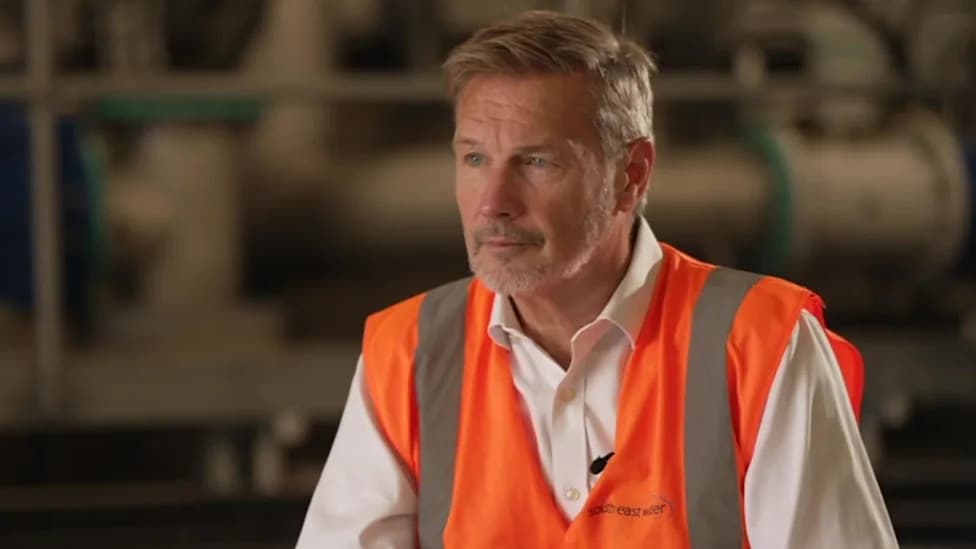
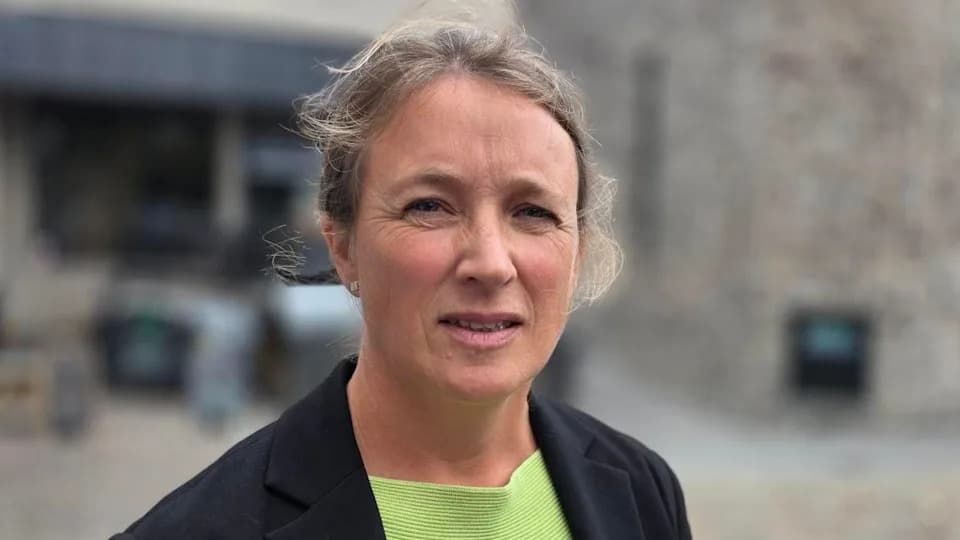
"We have to do better," says new South East Water boss, John Halsall [BBC]
John Halsall has been appointed chief executive of South East Water (SEW) and says he faces a "huge challenge" to restore both the company's performance and public trust after a series of high-profile supply failures across Kent and Sussex.
Halsall replaces David Hinton, who resigned in May. He joins a firm under intense regulatory and public scrutiny: Ofwat has ordered SEW to invest £30.5m following supply interruptions that left thousands without water, and has proposed a further £22m fine over problems affecting around 286,000 customers between 2020 and 2023. SEW's latest annual report also shows roughly £1.3bn of debt, underscoring the financial pressures behind the operational issues.
Background
Before taking the helm at SEW, Halsall was chief operating officer at South West Water, a role he left in 2024 after a cryptosporidium outbreak in Brixham, Devon, that affected thousands of residents. He says he is determined to address the root causes of SEW's failures while acknowledging the scale of the task.
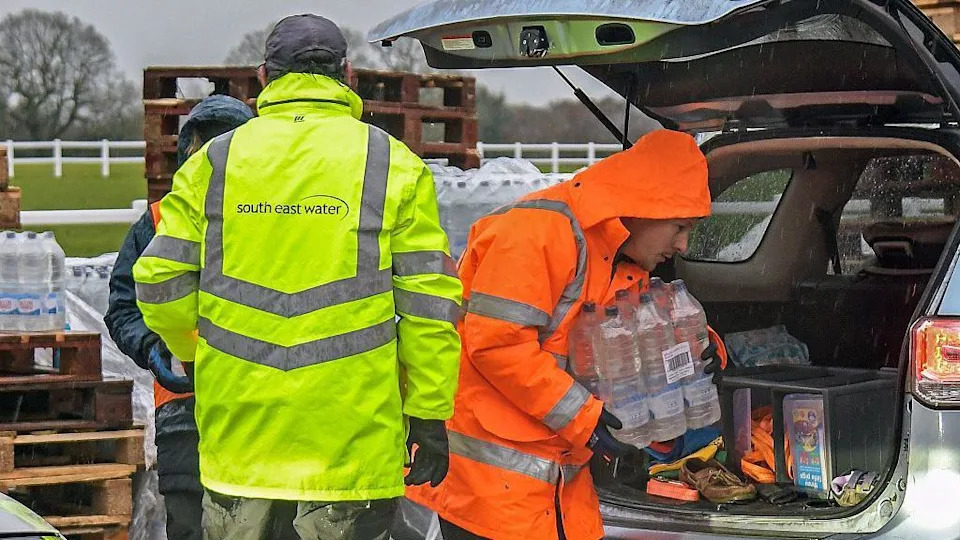
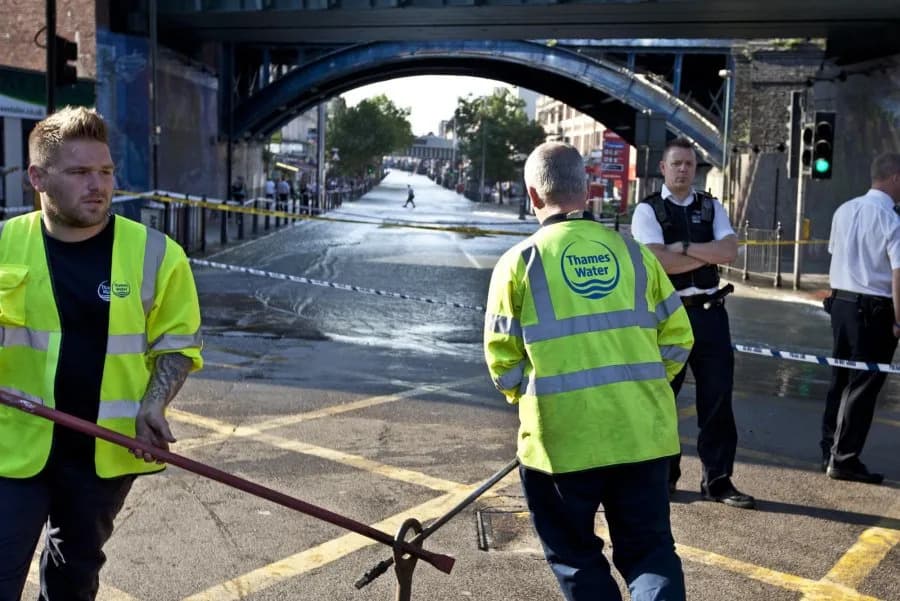
SEW distributed water to customers after thousands of properties across Tunbridge Wells were affected by water disruptions in January [Getty Images]
Three-Point Plan
Halsall set out a concise plan focused on immediate and long-term priorities:
- Reliable Supply: "When customers turn on their taps we need to make sure water comes out," he said, stressing the fundamental duty of uninterrupted supply.
- Improved Emergency Response: He warned that bottle stations running out and vulnerable customers missing deliveries are unacceptable and pledged faster, better coordinated responses when incidents occur.
- Rebuild Trust: Halsall committed to clearer, more transparent communication and warned against over-promising on fixes that cannot be delivered quickly.
Investment and Outlook
Looking further ahead, Halsall pledged to deliver SEW's largest-ever investment programme — a £2.1bn plan intended to improve reliability and resilience across the network. Planned projects include new service reservoirs, additional treatment capacity and enhanced pipework to move water more effectively across the region. He cautioned that some outcomes, such as reducing the need for hosepipe bans, will take longer to achieve.
"Our job is to deliver water to our customers 24/7, 365 and we're not doing that, for which I'm sorry," Halsall told the BBC. "I can't promise to turn the situation around overnight, but I will do everything humanly possible to make things better for our customers."
Halsall said he expects SEW's performance to be "significantly better" by 2030. The company will need to balance investment, operational improvements and regulatory compliance while repairing its relationship with customers who felt the impact of incidents such as the January disruption around Tunbridge Wells.
What Comes Next: SEW must complete the work ordered by Ofwat, clarify its timetable for the £2.1bn investment programme, and demonstrate measurable service improvements to regain public confidence.
Help us improve.