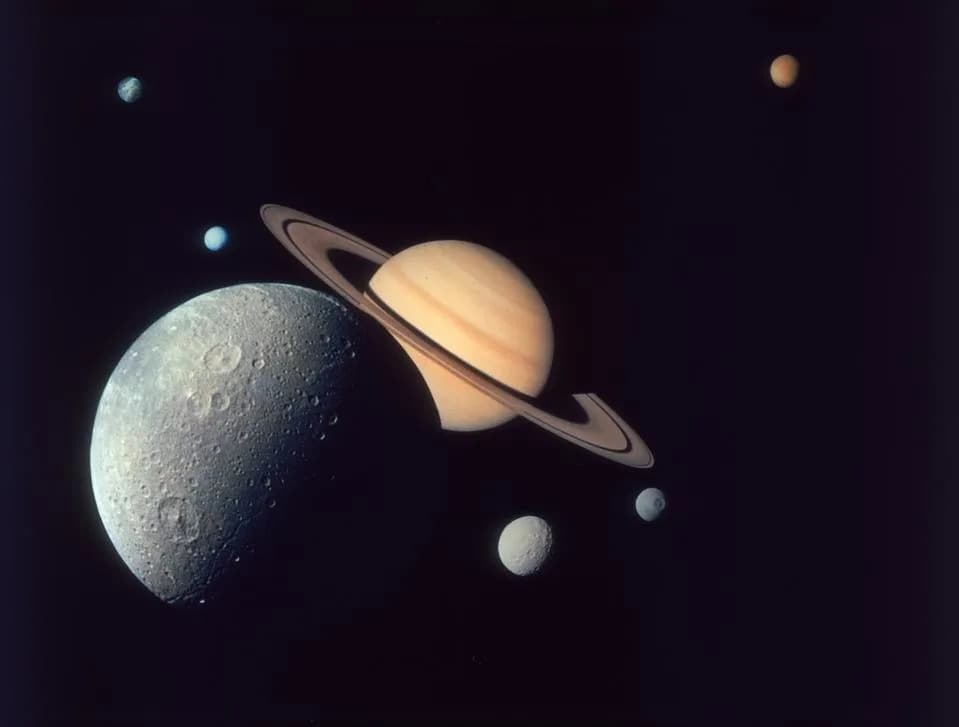
The Nancy Grace Roman Space Telescope has been fuelled with 290 gallons of hydrazine at Kennedy Space Center and is on track for a targeted launch no earlier than Aug. 30 aboard a SpaceX Falcon Heavy. Roman will travel to the Sun–Earth Lagrange point 2 (L2), about one million miles away, and is expected to survey thousands of exoplanets while probing dark energy with a field of view at least 100 times larger than Hubble's.
NASA's Roman Telescope Fueled and Poised for Aug. 30 Launch to Hunt Earth‑Like Worlds
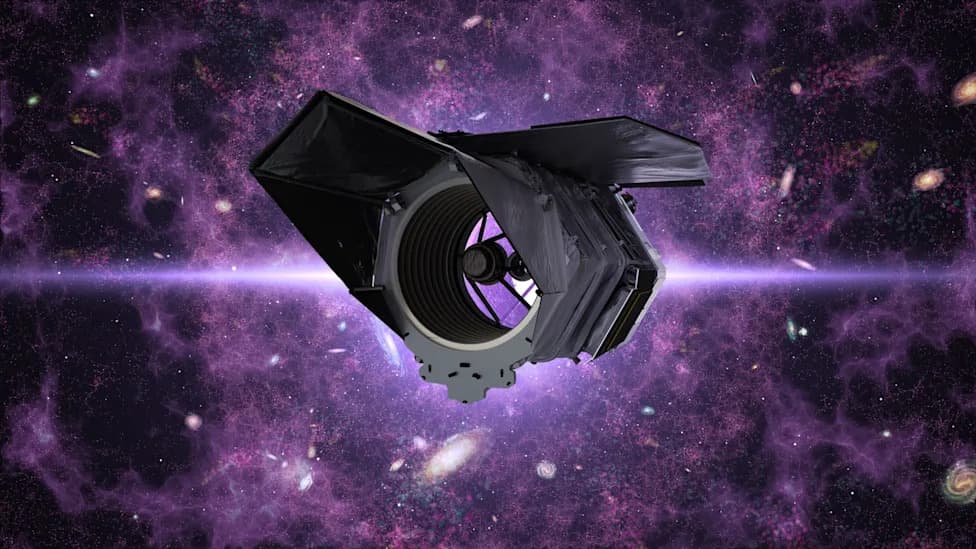
An artist impression of NASA's Nancy Grace Roman Space Telescope. (SWNS)
NASA's Nancy Grace Roman Space Telescope has completed a critical prelaunch milestone: technicians finished loading 290 gallons of hydrazine propellant into the observatory while it sat inside the Payload Hazardous Servicing Facility at Kennedy Space Center in Florida.
Hydrazine is an efficient spacecraft propellant but is highly toxic, caustic and a known carcinogen. Personnel handling the fuel wore specialised protective equipment and followed strict safety procedures during the operation.
Named for NASA's first chief astronomer and widely regarded as the "mother of the Hubble Space Telescope," the Roman Space Telescope will deliver a field of view at least 100 times larger than Hubble's. Over its mission lifetime it could measure light from roughly a billion galaxies and is expected to discover and characterise thousands of exoplanets.
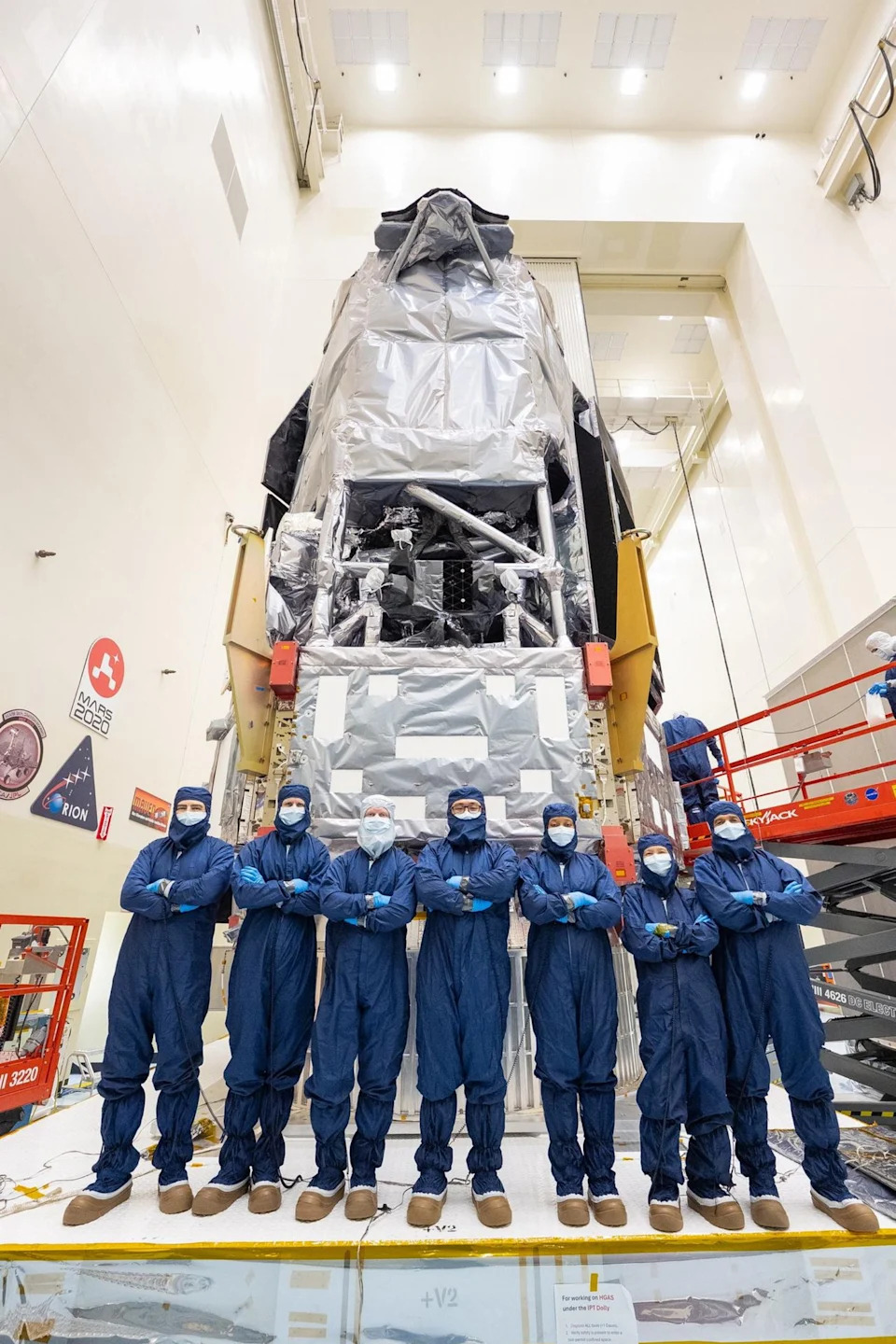
During a key integration milestone for NASA's Nancy Grace Roman Space Telescope, technicians and engineers from the agency's Jet Propulsion Lab in Southern California gather inside the Payload Hazardous Servicing Facility at NASA's Kennedy Space Center in Florida on July 8. (NASA/Jolearra Tshiteya via SWNS)
On July 8, technicians and engineers from NASA's Jet Propulsion Laboratory gathered at the Payload Hazardous Servicing Facility to support final integration work ahead of shipment and launch preparations.
NASA and SpaceX are targeting liftoff no earlier than Aug. 30 aboard a SpaceX Falcon Heavy from Kennedy Space Center, a schedule the agency has described as about nine months ahead of the original plan. After separation from the rocket, Roman will use its onboard propellant to execute trajectory and attitude maneuvers as it travels to the Sun–Earth Lagrange point 2 (L2), roughly one million miles from Earth.
"Researchers are eager to study the thousands of exoplanets Roman is expected to discover to determine how closely they resemble Earth, and to use the observatory to investigate the mystery of dark energy and its role in the universe's accelerating expansion," NASA said.
The Roman Space Telescope's combination of wide-field imaging, high sensitivity and dedicated surveys will make it a powerful tool both for finding new worlds and for probing cosmology, helping scientists map the distribution of galaxies and refine our understanding of dark energy.
Help us improve.