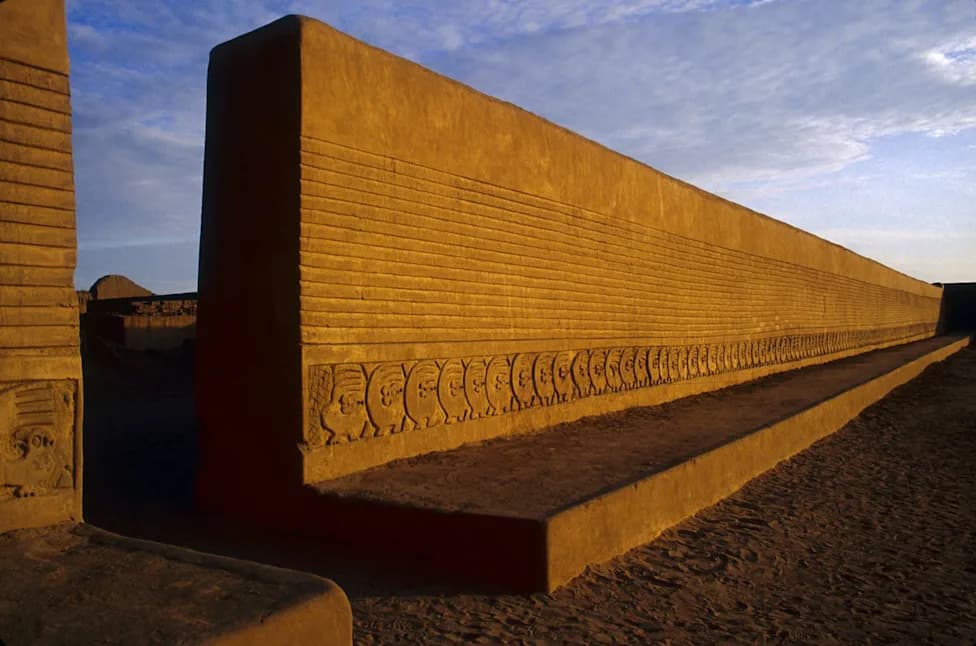
Archaeologists unearthed a face-down skeleton and a sea-turtle-shaped clay vessel in Antiguo Cuscatlán, sealed beneath volcanic ash dated to about 850–830 B.C. The excavation, led by Yale doctoral candidate Carlos Flores Manzano with El Salvador's Ministry of Culture, is studying the remains and artifacts to learn about diet, health and cultural practices. Radiocarbon dating and chemical analyses are pending, with results expected in roughly a year. The ash both preserved the burial and protected nearby petrified cassava furrows, offering broader insights into ancient lifeways.
Nearly 3,000-Year-Old Burial Found Near San Salvador Offers Rare Glimpse Into Pre‑Maya Life
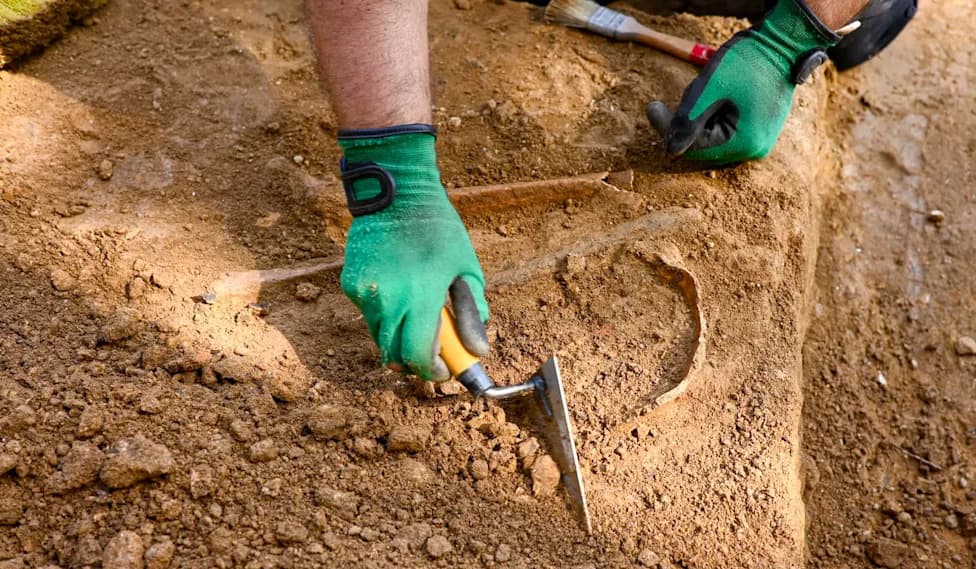
Photo Credit: iStock
Archaeologists in El Salvador have uncovered a burial that could be nearly 3,000 years old, offering a rare window into the region's early inhabitants. The burial, found in Antiguo Cuscatlán near San Salvador, contained a skeleton laid face down and a clay vessel shaped like a sea turtle.
El Salvador's Ministry of Culture reported that excavation crews uncovered the grave on July 2. The burial was sealed beneath thick layers of volcanic ash deposited by the Plan de la Laguna crater; that ash layer currently provides an estimated date of about 850–830 B.C.
Dating And Ongoing Analysis
Officials have not yet performed radiocarbon dating on the skeleton. The preliminary 850 B.C. estimate is based on the volcanic ash layer above the grave; laboratory analysis, including radiocarbon dating and chemical tests of the bones, is expected to confirm or refine that timeframe and should be completed in roughly a year.
What The Discovery Could Reveal
Burials are more than places of interment: the remains and associated artifacts can reveal diet, health status, social roles, trade connections, migration patterns and spiritual beliefs. In this case, the same volcanic ash that sealed the grave also preserved nearby petrified cassava furrows, providing additional clues about ancient agriculture and subsistence.
Excavation And Conservation Practices
The dig was directed by archaeologist Carlos Flores Manzano, a Yale University doctoral candidate, in collaboration with specialists from El Salvador's Ministry of Culture. Archaeologists carefully documented the precise location and orientation of the remains and artifacts before any movement. Conservators encased the fragile burial in plaster prior to lifting it from the site to protect its context and integrity.
Ministry Of Culture (translated): "The remains were found in a prone position at 17 degrees east of north, and initial estimates suggest they date to 850 B.C."
If confirmed, the burial would place people in the San Salvador valley during Mesoamerica's Middle Preclassic era (roughly 1000–400 B.C.). Officials say the find could inform future land-management decisions to protect subsurface cultural heritage and help communities connect with their ancient past. Researchers caution that final interpretations await laboratory results.
Help us improve.