Key takeaway: Ukraine says a July 25 drone strike on an Iranian cargo ship was aimed at stopping arms shipments to Russia and was not intended to widen the war. The strike killed a civilian sailor and drew strong Iranian condemnation and threats of retaliation. Analysts are split: some fear the incident could link the Russia–Ukraine and U.S.–Iran theaters, while others argue both Kyiv and Tehran have incentives to avoid further escalation. Kyiv has pursued diplomatic contacts to de-escalate tensions.
Ukraine’s Strike on an Iranian Ship: Could It Trigger a Wider U.S.–Middle East Conflict?
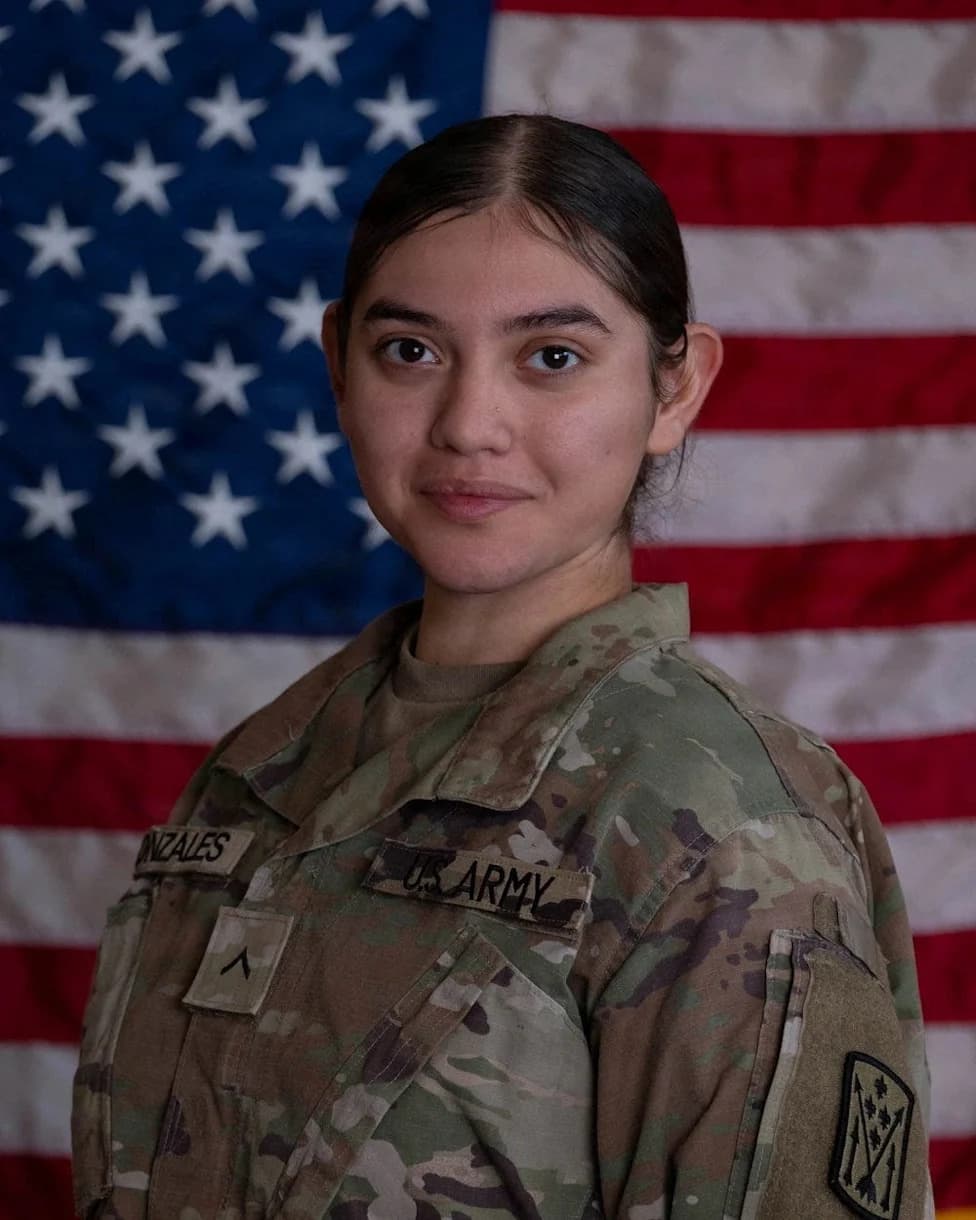
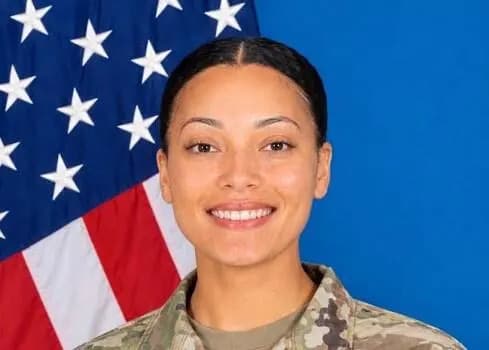
Two American soldiers were killedin an attack in Jordan, including Isabella Gonzalez, raising the U.S. military death toll in the Iran war to 17.Pvt. Gonzales, killed in action in an Iranian attack on Muwaffaq Salti Air Base, Jordan, in this image taken at a location given as Germany, released on July 20, 2026.(10th Army Air and Missile Defense Command/Handout, via Reuters)
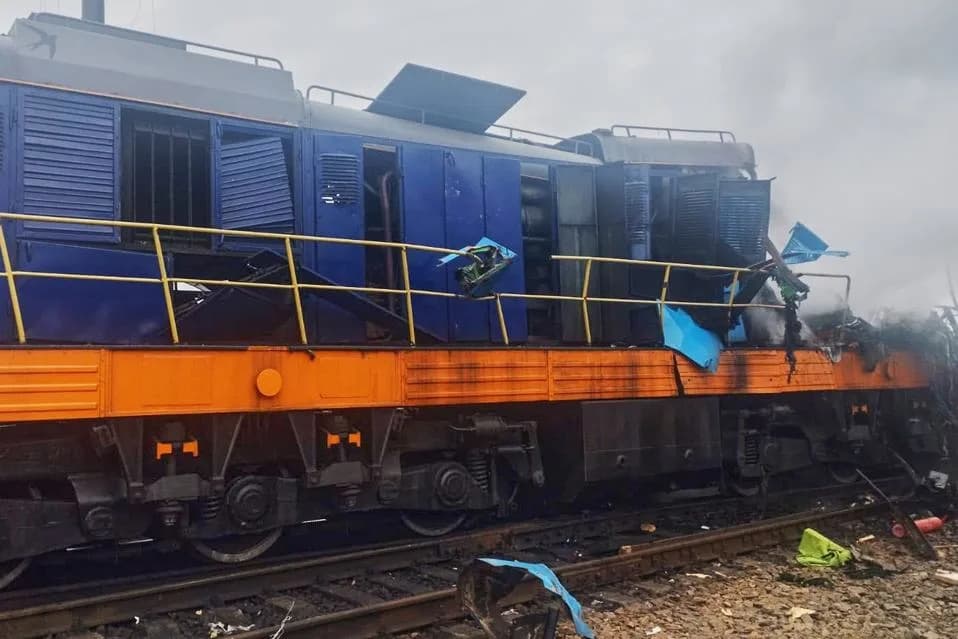
WASHINGTON — Ukraine says a July 25 drone strike that hit an Iranian cargo ship in the Caspian Sea was aimed at disrupting arms transfers to Russia, not at escalating its war into a broader Middle Eastern conflict. Kyiv has acknowledged the attack killed a civilian sailor and has emphasized that it does not seek to expand the battlefield beyond its war with Russia.
What Happened
On July 25, Ukrainian forces struck an Iranian-flagged cargo vessel that Kyiv said was transporting military equipment to Russia. Iran condemned the attack and said it would respond. Kyiv maintains the strike targeted materiel supporting Russia’s war in Ukraine.
U.S. Military Losses in the Wider Iran Conflict
The incident comes amid rising tensions between the United States and Iran. U.S. forces have sustained multiple casualties in recent months in confrontations linked to Iran and its allies. Reported U.S. service members killed in the Iran-related fighting include Pvt. Isabella Gonzalez; 1st Lt. Tyler James Feehan (25); Cmdr. Gabriel Edwards (presumed dead after a Navy helicopter emergency landing); Major John “Alex” Klinner (33); Sgt. 1st Class Noah Tietjens; Capt. Seth Koval; Capt. Curtis Angst; Tech. Sgt. Tyler Simmons; and Chief Warrant Officer 3 Robert Marzan. Two U.S. soldiers were killed in a July strike on Muwaffaq Salti Air Base in Jordan.
Reactions: Tehran, Kyiv and Washington
Iranian Foreign Minister Seyed Abbas Araghchi called the strike "a blatant UN Charter violation done at Israel's behest to drag Europe into its war," and Ebrahim Azizi, head of the Iranian parliament's National Security Commission, warned that Iran would not leave the attack unanswered.
Ukraine’s ambassador to the United States, Olga Stefanishyna, told reporters on July 30 that Kyiv is not "playing a game of chess" with the incident and reiterated that President Volodymyr Zelenskyy’s priority is ending the war at home: "People are dying — this is what we care about. We're not connecting any wars. We're not building any policy behind that." Stefanishyna described the strike as "unintentional" in its consequences and said diplomatic contacts, including a phone call between Ukrainian and Iranian officials, had helped de-escalate tensions.
President Zelenskyy accused Russia of sharing satellite imagery with Iran that could have aided Iranian strikes on U.S. facilities in the Gulf; Russian involvement in Iran’s campaign has been denied by U.S. President Donald Trump, who warned that overt Russian participation would be detrimental to Moscow.
Analysts Weigh the Risk of a Wider War
Experts remain divided over whether the incident could merge the theaters of conflict. Trita Parsi of the Quincy Institute described the strike as a major escalation and said Tehran is likely to respond at some point, though analysts he cited suggested Iran might wait until U.S.–Iran tensions have cooled to avoid fusing the two conflicts into a single, larger war.
By contrast, Neil Quilliam of Chatham House said both Kyiv and Tehran have strong incentives to avoid opening another front: Ukraine's priority remains resisting Russia, and Iran is managing multiple security challenges. Quilliam argued Ukraine stands to gain more by exposing links between Russia and Iran than by confronting Tehran directly.
Diplomacy and Next Steps
As Zelenskyy traveled to Washington for meetings and to attend the funeral of Senator Lindsey Graham, Ukrainian officials downplayed rhetoric and pursued diplomatic channels. Ukrainian Foreign Minister Andrii Sybiha called his Iranian counterpart urging restraint. Kyiv says it will continue to expose actors that enable Russia’s war effort while avoiding deliberate escalation with Iran.
Why It Matters
The incident highlights how interconnected modern conflicts can become when weapons, intelligence and logistics cross regional lines. Analysts warn that miscalculation or retaliatory actions could expand hostilities, while others say the strategic costs make a full escalation unlikely. For now, the event has increased diplomatic activity and scrutiny over alleged Russian–Iran cooperation.
Bottom line: The strike raises the risk of broader entanglement but so far has produced diplomatic efforts to calm tensions. Whether the episode leads to wider war depends on Iran's response, Russian involvement, and choices by Kyiv, Tehran and Washington.
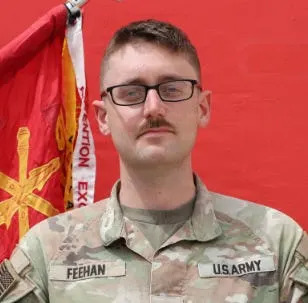
1st Lt. Tyler James Feehan, 25, 2nd Battalion, 55th Air Defense Artillery Regiment, 32nd Army Air and Missile Defense Command, was killed in action July 18 during an enemy attack at Muwaffaq Salti Air Base, Jordan.(Brooke Parcus, U.S. Army Space and Missile Defense Command)
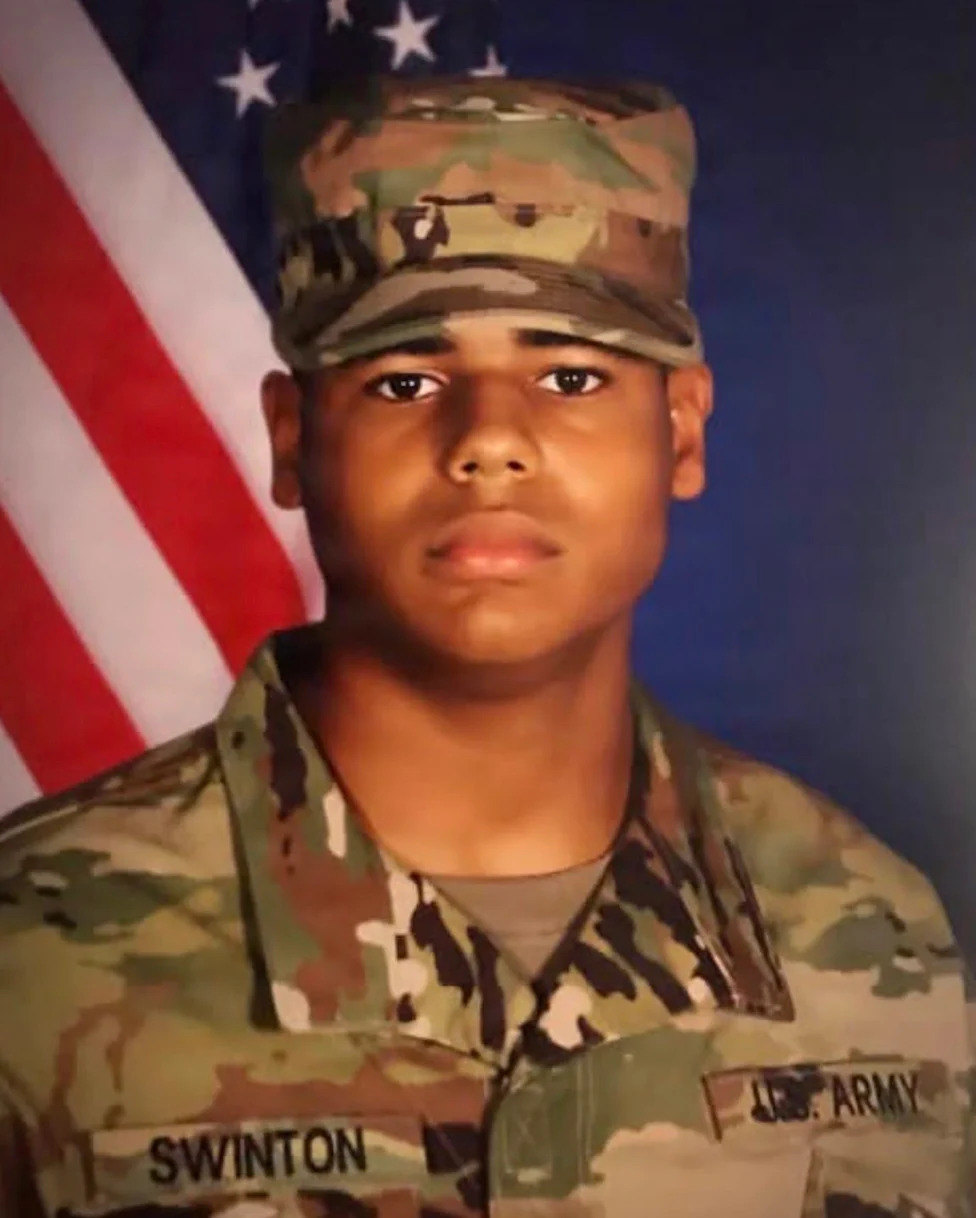
Sgt. Michael Emmanuel Swinton, 30, was killed in action during a controlled detonation of a downed One-Way Unmanned Aerial System July 19, 2026, at Erbil Air Base, Iraq.(Brooke Parcus, U.S. Army Space and Missile Defense)
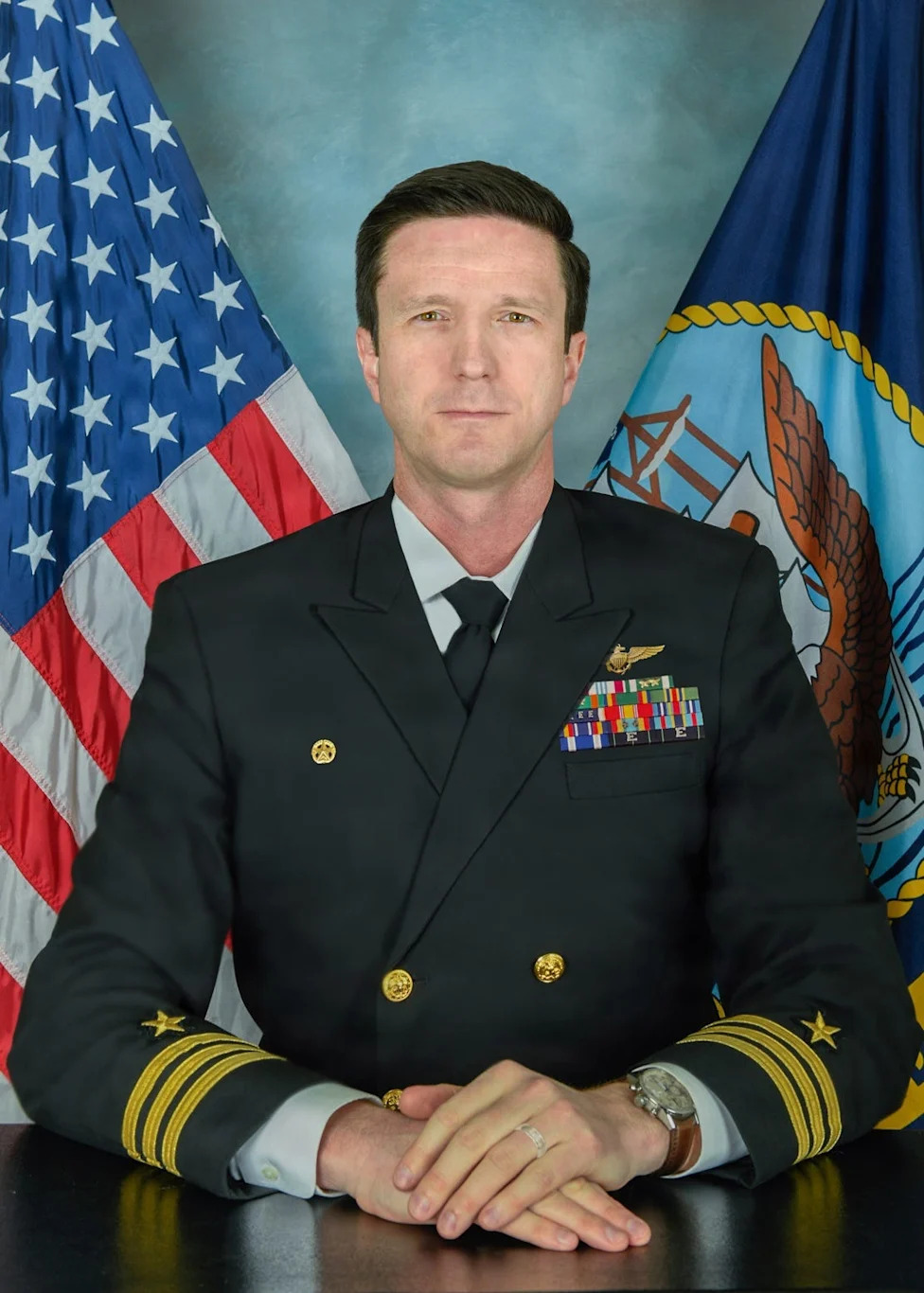
Cmdr. Gabriel Edwards is presumed dead after a U.S. Navy helicopter made an emergency landing in the Arabian Sea on July 1. He was identified as the missing crew member following a dayslong search.(Commander, Naval Air Force Atlantic)
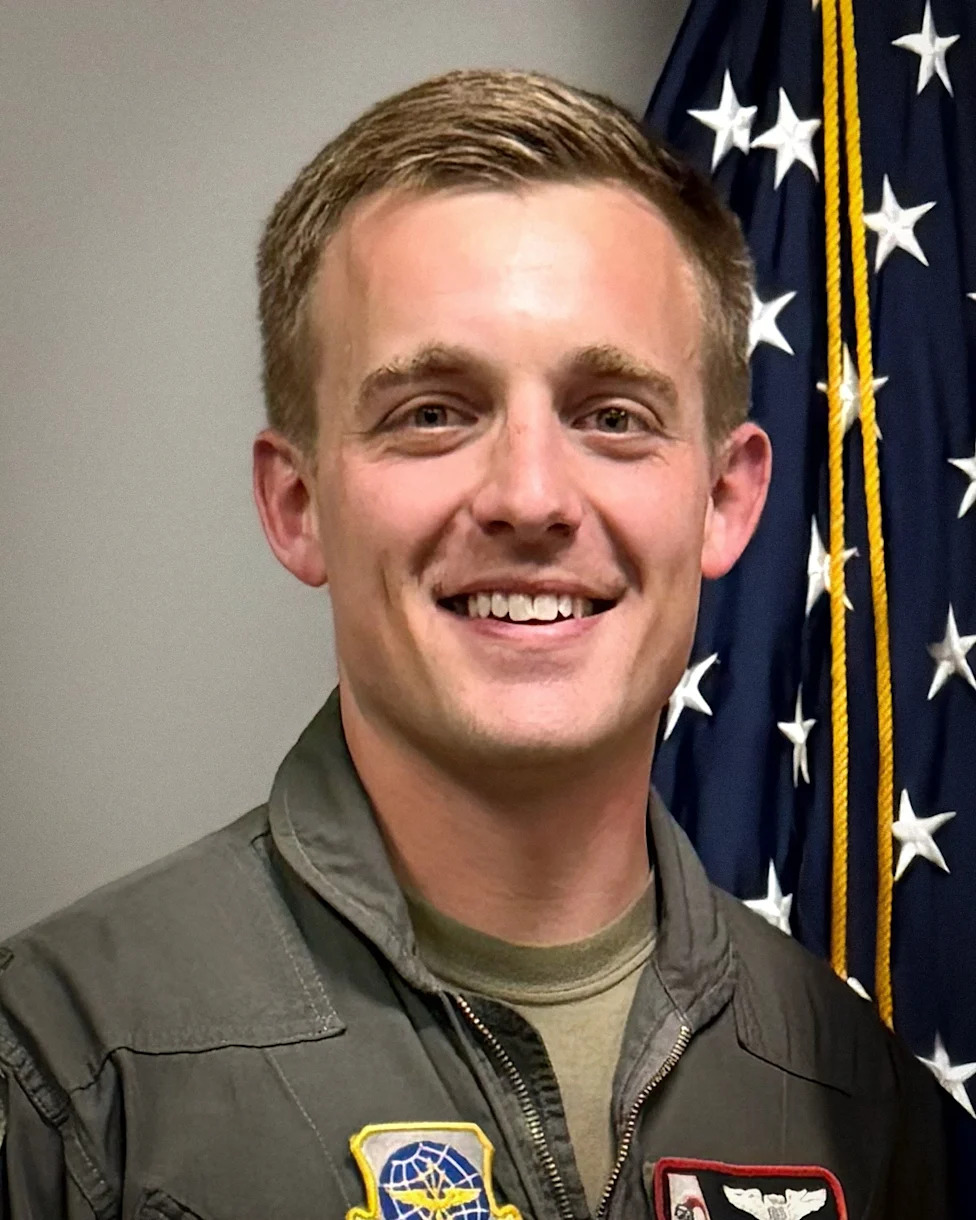
Major John “Alex” Klinner, 33, died on March 12, 2026, along with five other service members, after the U.S. aircraft they were on crashed in Iraq.(Courtesy Photo, DVIDS)
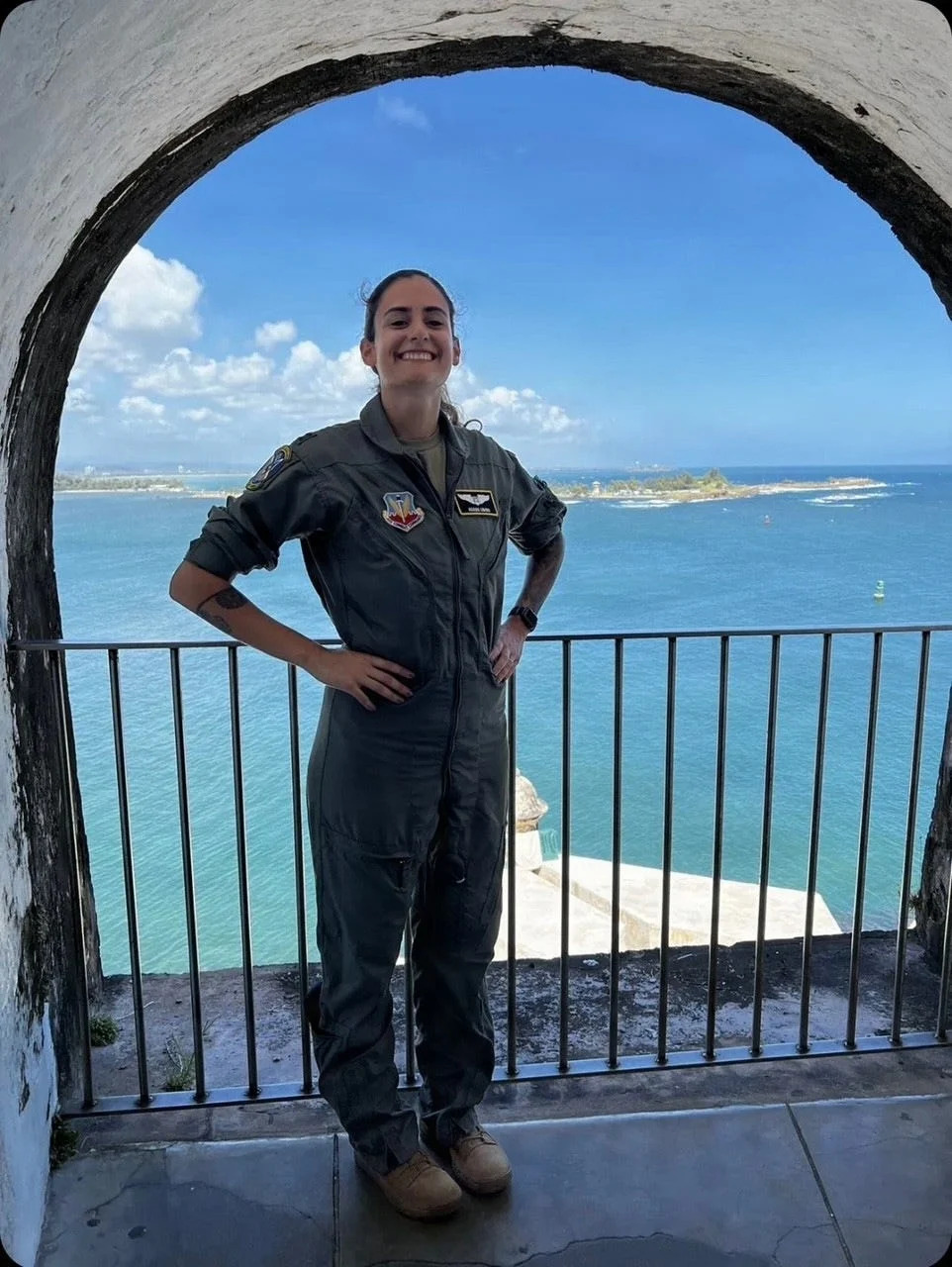
An undated photo of Capt. Ariana G. Savino, 31, of Covington, Wash., assigned to the 6th Air Refueling Wing at MacDill Air Force Base, Fla. Savino was one of six Airmen who died March 12, 2026, when a KC-135 aircraft crashed in western Iraq while supporting Operation Epic Fury.(Secretary of the Air Force)

An undated photo of Tech. Sgt. Ashley B. Pruitt, 34, of Bardstown, Ky., assigned to the 6th Air Refueling Wing at MacDill Air Force Base, Fla. Pruitt was one of six Airmen who died March 12, 2026, when a KC-135 aircraft crashed in western Iraq while supporting Operation Epic Fury.(Secretary of the Air Force)
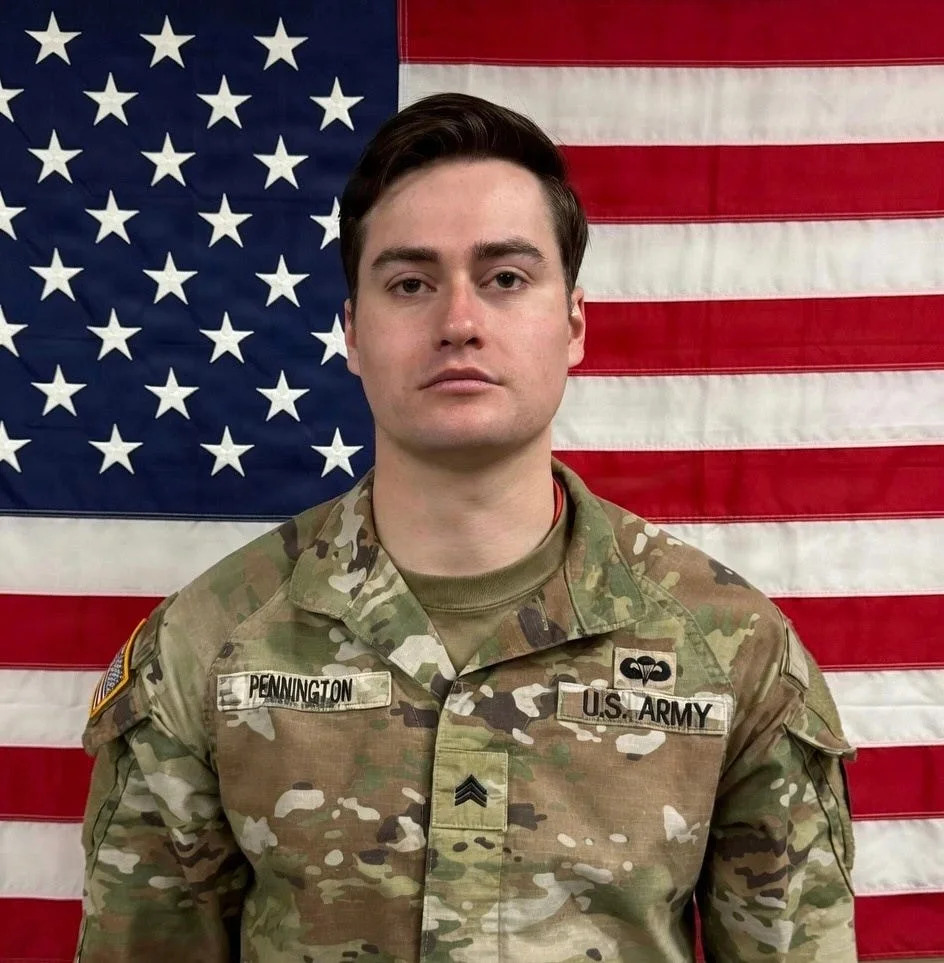
U.S. Army Sgt. Benjamin N. Pennington, 26, of Glendale, Kentucky, assigned to the 1st Space Battalion, 1st Space Brigade, Fort Carson, Colo, died March 8, 2026, from wounds sustained during an enemy attack on March 1, 2026, at Prince Sultan Air Base, Saudi Arabia.(Dottie Henderson, U.S. Army Space and Missile Defense Command)
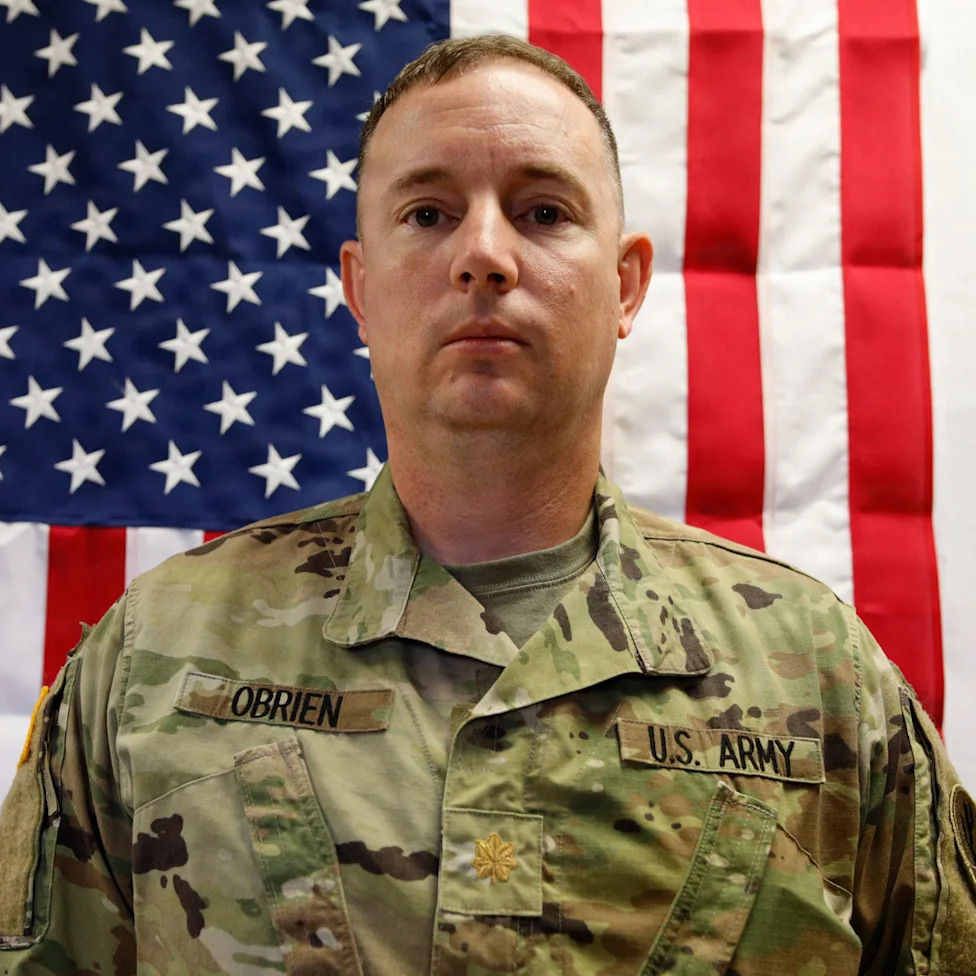
U.S. Army Reserve Maj. Jeffrey O’Brien, 45, of Waukee, Iowa, assigned to the 103rd Sustainment Command, died March 1, 2026, in Kuwait at the Port of Shuaiba during an unmanned aircraft system attack.(Gloria Holt, U.S. Army Reserve Command)
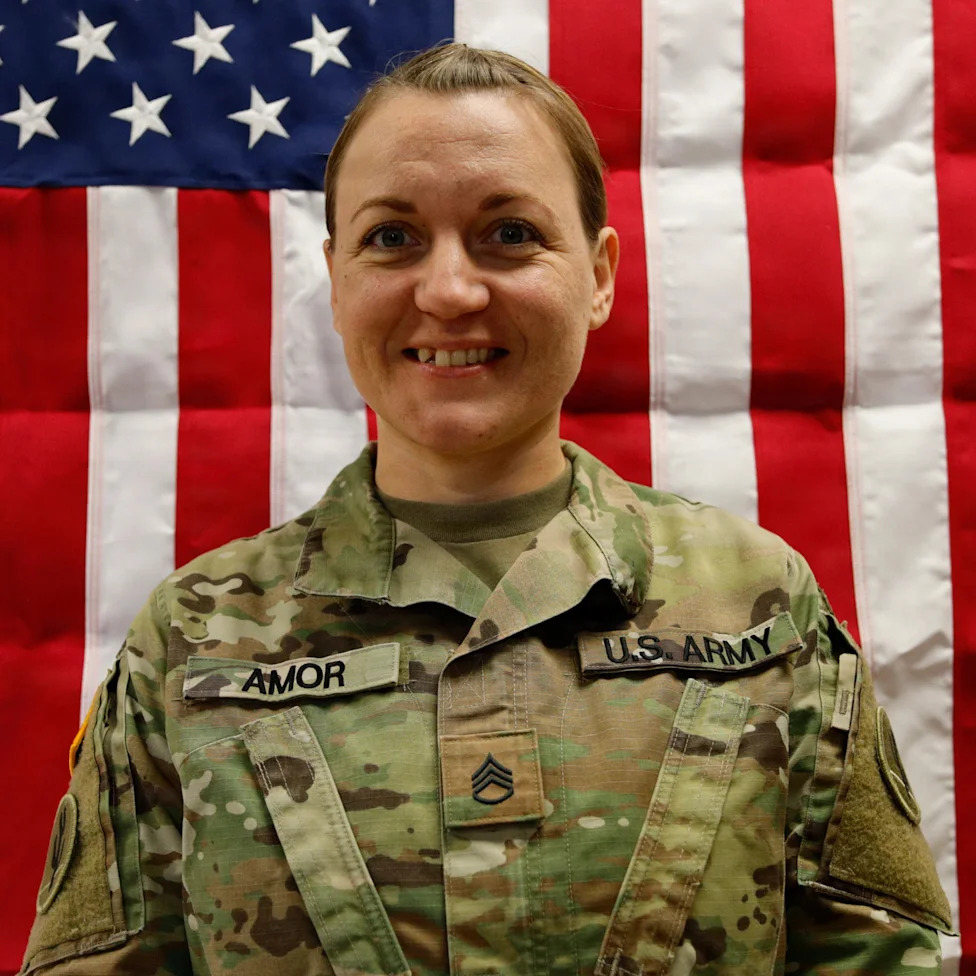
U.S. Army Reserve Sgt. 1st Class Nicole Amor, 39, of White Bear Lake, Minnesota, assigned to the 103rd Sustainment Command, died March 1, 2026, in Kuwait at the Port of Shuaiba during an unmanned aircraft system attack.(Brent Newton, U.S. Army Reserve Command)
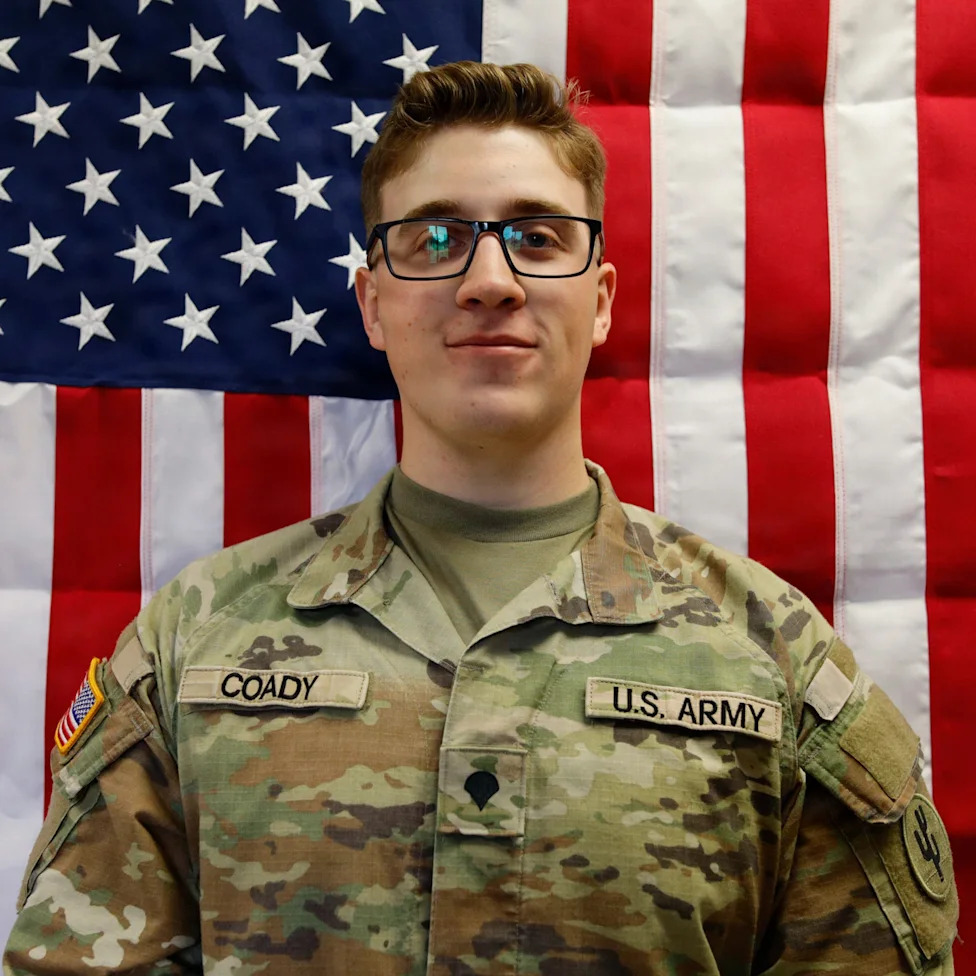
U.S. Army Reserve Sgt. Declan Coady, 20, of Des Moines, Iowa, assigned to the 103rd Sustainment Command, died March 1, 2026, in Kuwait at the Port of Shuaiba during an unmanned aircraft system attack.(Brent Newton, U.S. Army Reserve Command)
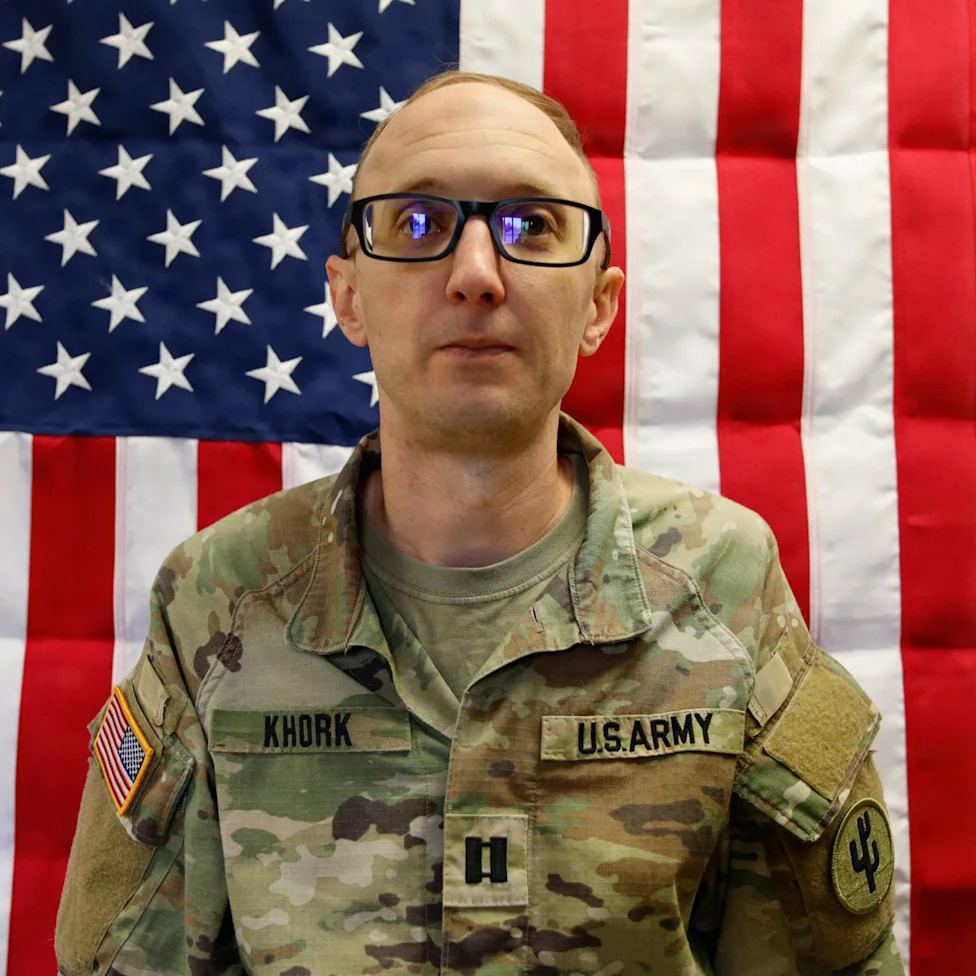
U.S. Army Reserve Capt. Cody Khork, 35, of Winter Haven, Florida, assigned to the 103rd Sustainment Command, died March 1, 2026, in Kuwait at the Port of Shuaiba during an unmanned aircraft system attack.(Brent Newton, U.S. Army Reserve Command)
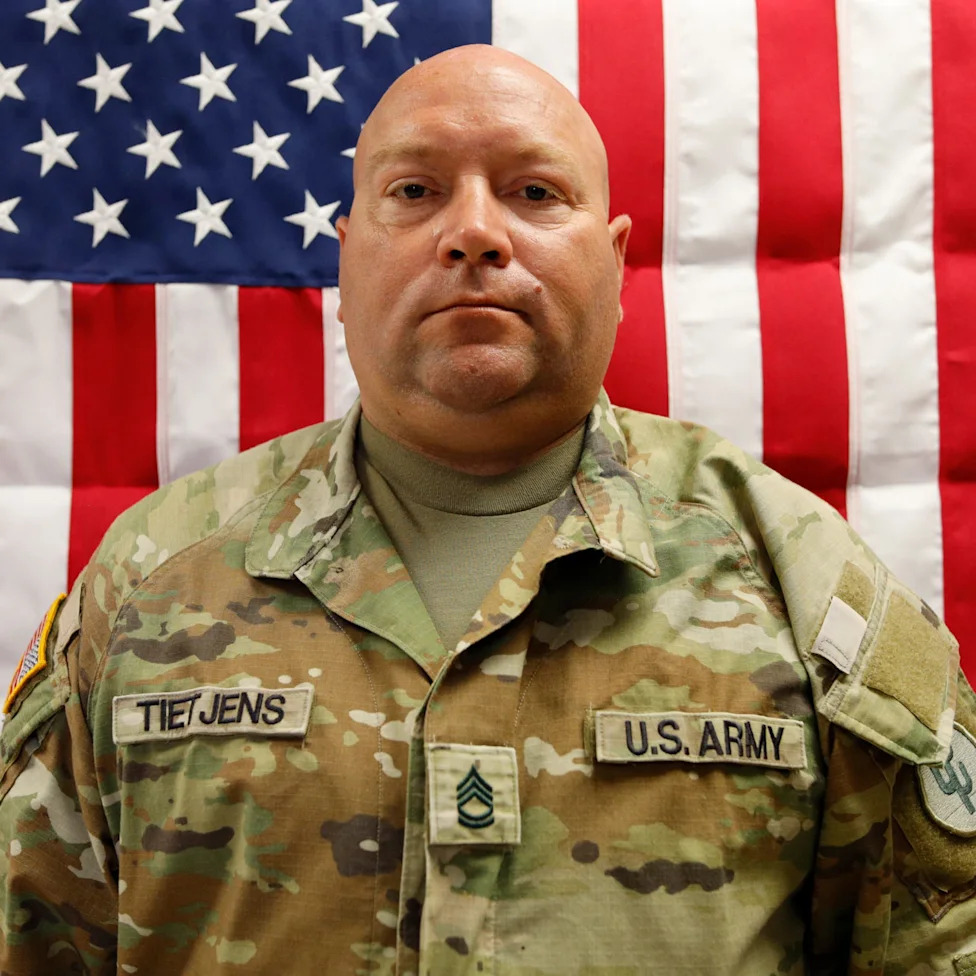
Sgt. 1st Class Noah Tietjens died in the attack on March 1, 2026, in Kuwait, the Pentagonsaid.Other US service members killed in the Iran War are: Capt. Seth Koval, 38, Capt. Curtis Angst, 30, Tech. Sgt. Tyler Simmons, 28 andChief Warrant Officer 3 Robert Marzan, 54.(Brent Newton)
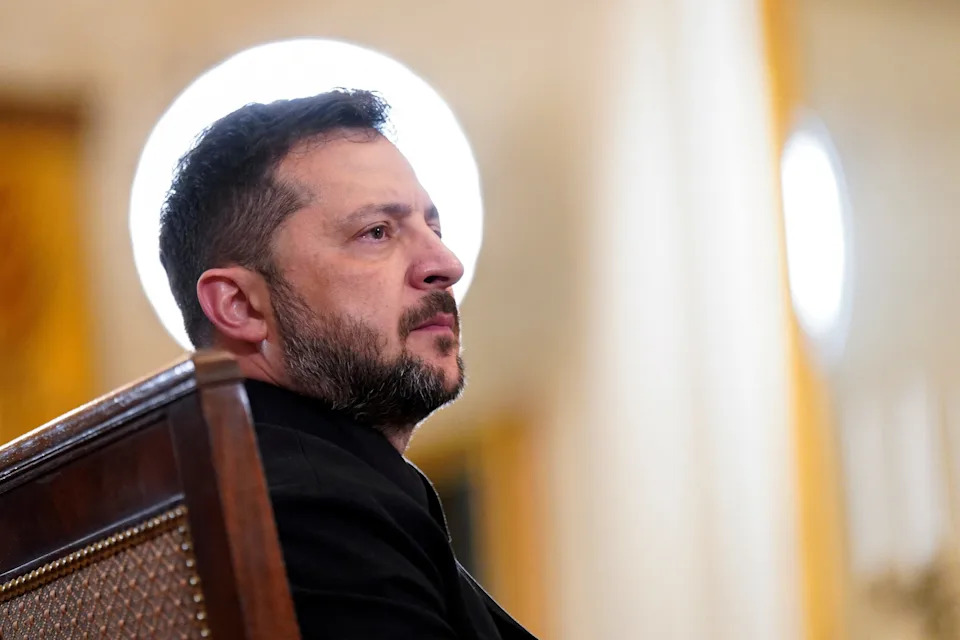
Ukrainian President Volodymyr Zelenskyy listens during a meeting with President Donald Trump and European leaders amid negotiations to end the Russian war in Ukraine, at the White House in Washington, D.C., U.S., August 18, 2025.
Help us improve.