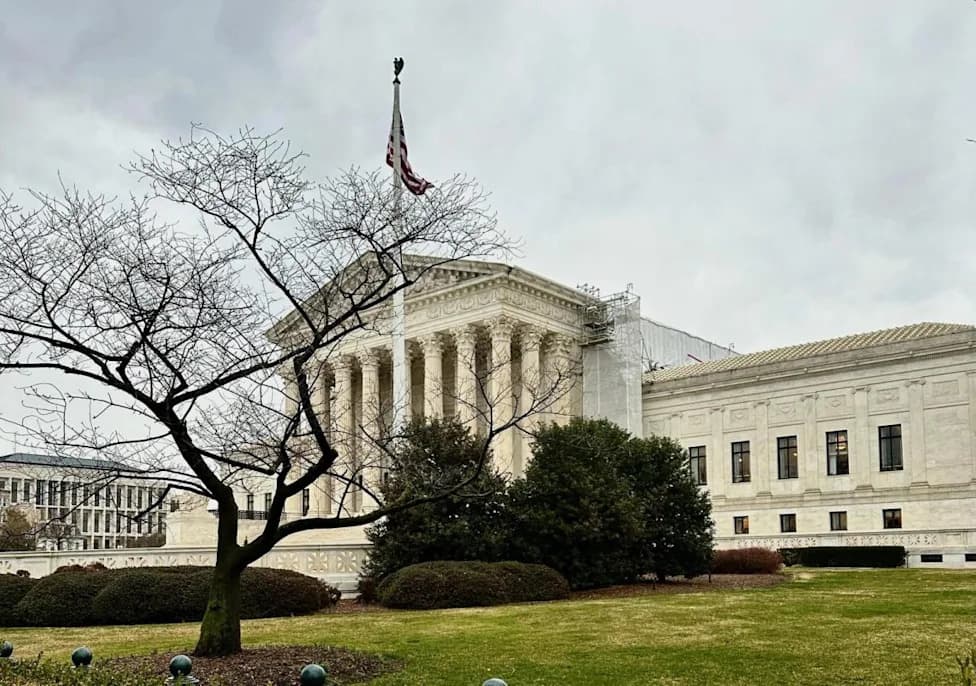
Three recent Ohio Supreme Court decisions have overturned longstanding precedents in ways that critics say weaken public accountability, judicial impartiality and finality in criminal cases. The court eliminated the public-right standing doctrine in State ex rel. Martens v. Findlay Municipal Court, struck down a decades-old ban on judges endorsing candidates in Disciplinary Counsel v. Rudduck, and allowed appellate review of trial judges' post-verdict acquittals in State v. King. Observers warn these shifts expand legislative and prosecutorial power and risk eroding public trust in the judiciary.
Three Ohio Supreme Court Rulings Threaten Precedent, Impartiality and Finality
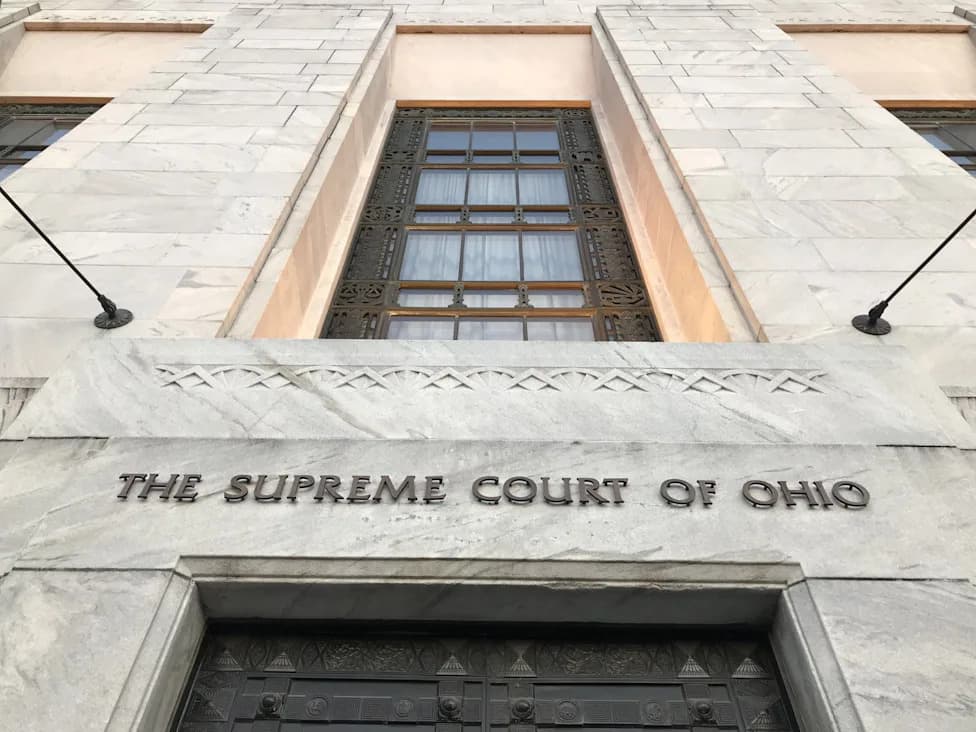
The Supreme Court of Ohio building in downtown Columbus, photographed Feb. 3, 2019.
Law school teaches core judicial principles: respect for precedent, an independent judiciary, meaningful public accountability, and finality in criminal cases. These are practical safeguards to keep courts from becoming tools of partisan power. Recent Ohio Supreme Court decisions, however, have unsettled those guardrails.
Three Decisions, One Pattern
The court's conservative majority has overturned longstanding doctrine in three high-profile rulings over the past two years. Together they narrow avenues for public-interest challenges, permit new partisan activity by sitting judges, and expand prosecutorial options to revisit acquittals—changes that critics say weaken checks on power and erode public confidence in the justice system.
State ex rel. Martens v. Findlay Municipal Court
In this decision the court abandoned its 1999 Sheward precedent and eliminated the so-called public-right exception to standing. That exception historically allowed citizens to challenge statutes or government actions of broad public importance without showing individualized injury. Removing it makes public-interest litigation harder and limits tools for holding government accountable on systemic constitutional issues.
Disciplinary Counsel v. Rudduck
The majority struck down a roughly 70-year-old judicial conduct rule that barred sitting judges from endorsing political candidates. The opinion framed the change as a First Amendment protection for judges, but dissenting Justice Patrick Fischer criticized the process, noting the alteration occurred "without any input from, or notice to" affected parties, the bar, judges, or the public, and that established precedent was ignored.
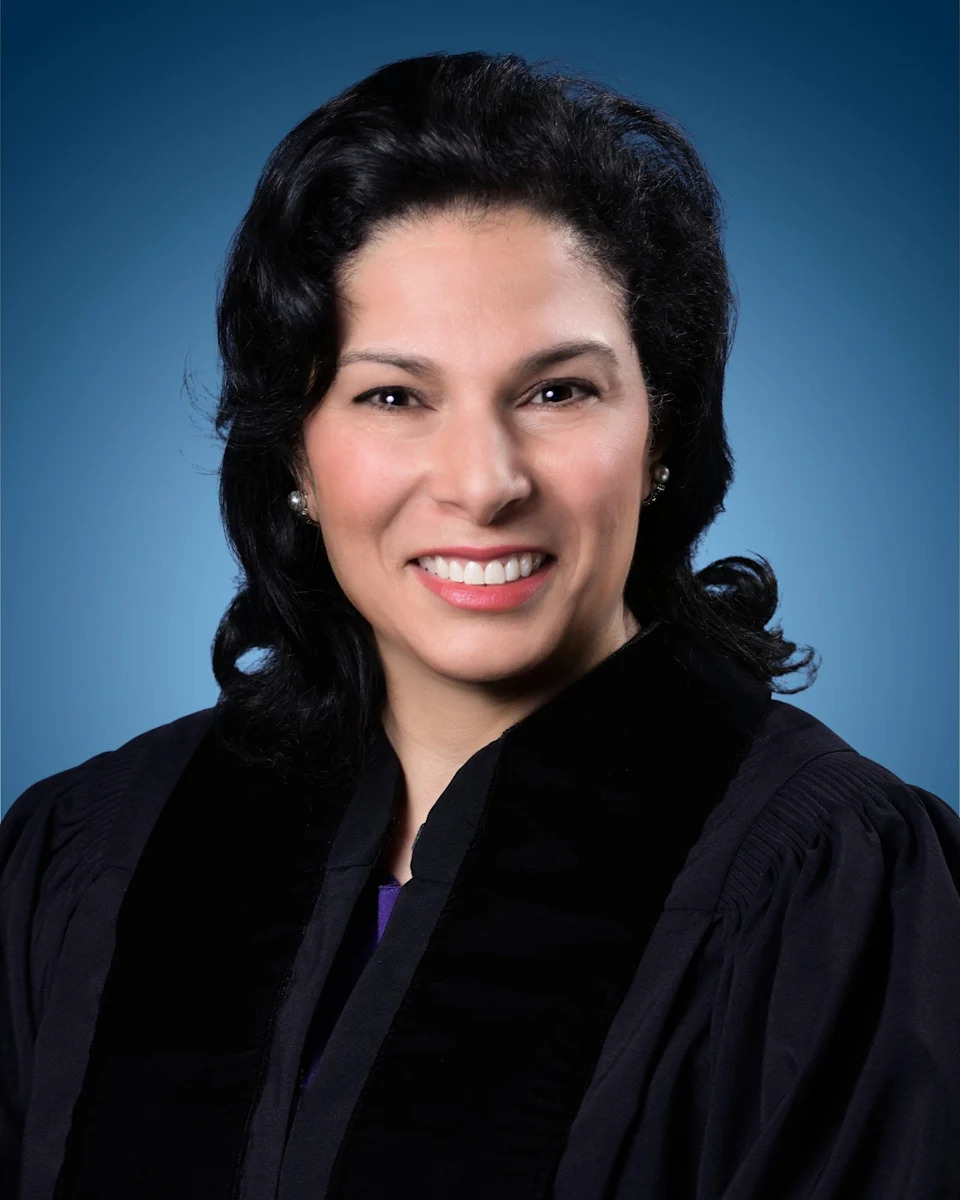
Judge Marilyn Zayas
Why this matters: Ethics restrictions like this historically preserved the appearance and reality of impartial decision making. Allowing judges to openly campaign for candidates risks politicizing the bench and undermining public trust.
State v. King (4-3)
The court overturned a 1987 rule treating a trial judge's post-verdict acquittal as final and generally immune from appellate reinstatement. With that precedent gone, prosecutors may now seek appellate review to reinstate convictions a trial judge has set aside. Critics warn this change weakens finality protections, increases prosecutorial leverage, and threatens traditional safeguards against repeated government prosecutions.
Broader Consequences
These rulings share a common thread: the majority repeatedly discards decades of settled law in ways that can expand legislative or prosecutorial power and permit greater partisan influence by judges. Stare decisis exists to provide predictability and stability; frequent reversals for policy-driven outcomes risk eroding public confidence in the courts.
I took an oath to uphold Ohio's Constitution with integrity, independence and courage. That oath requires applying the law as written, giving due weight to prior courts' judgments, and keeping politics out of the courtroom—not reshaping rules to fit the moment.
Disclosure: Judge Marilyn Zayas serves on the Ohio First District Court of Appeals and is a candidate for the Ohio Supreme Court.
Help us improve.