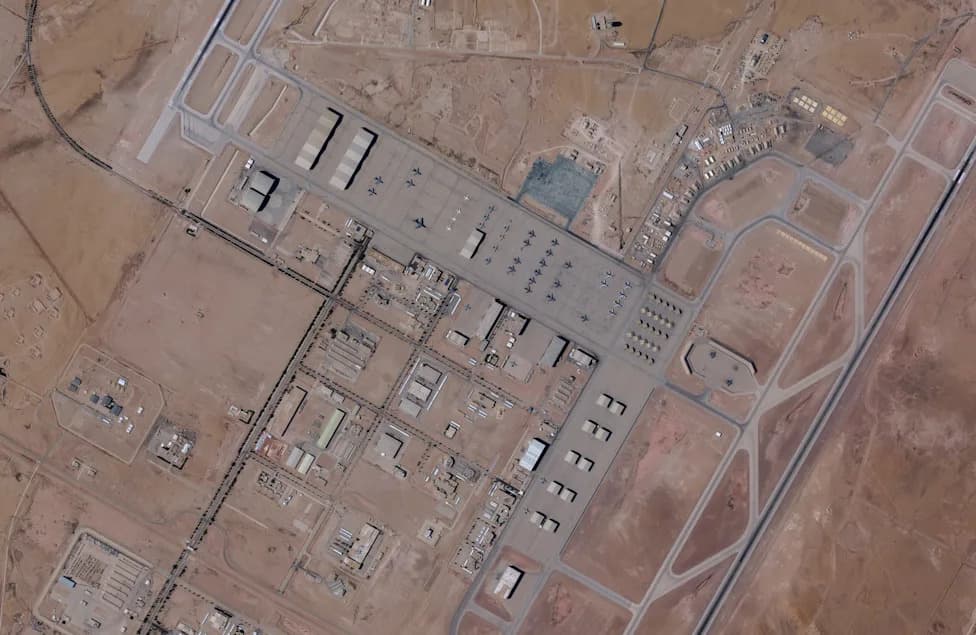
Planet says it temporarily restricted public access to ultra-high-resolution satellite imagery of the Middle East after a request from the Trump administration during the Iran war. The company said the decision balanced national security and personnel safety with its transparency mission and that most restricted images were released between March 9 and July 1. Planet has reinstated delays for imagery over several countries as the conflict escalates. Observers warn the measures may be limited because other nations also possess advanced satellite capabilities.
US Asked Planet To Temporarily Restrict Middle East Satellite Imagery During Iran War, Company Says
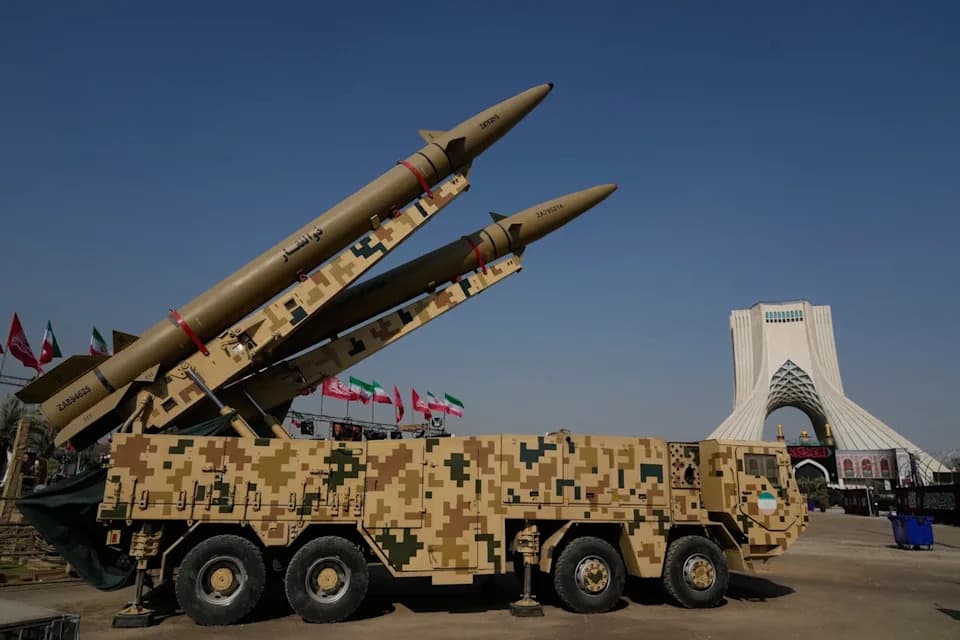
A satellite company reportedly restricted access to its aerial imagery at the request of the Trump administration during the Iran war (AP)
Planet, a San Francisco–based commercial satellite operator, says it temporarily limited public access to its ultra-high-resolution imagery of the Middle East after receiving a request from the Trump administration amid the Iran war.
The company told SFGate that the government raised concerns about the "potential misuse" of its images and that decisions were driven by a need to balance national security and personnel safety with its transparency mission. Planet said it had released "nearly all" of the imagery it restricted between March 9 and July 1.
"These are extraordinary and dynamic circumstances, and these decisions have been made in an effort to balance national security and personnel safety concerns with our transparency mission," Planet said. The firm also said it is "temporarily reinstating a delay on publishing of images" over several countries as the conflict has intensified.
Planet reported reinstating publication delays for imagery over Iran, Pakistan, Afghanistan, Turkmenistan, Uzbekistan and Azerbaijan after renewed escalation. In March—shortly after the first phase of fighting began—the company imposed a 14-day delay on imagery of parts of the Middle East.

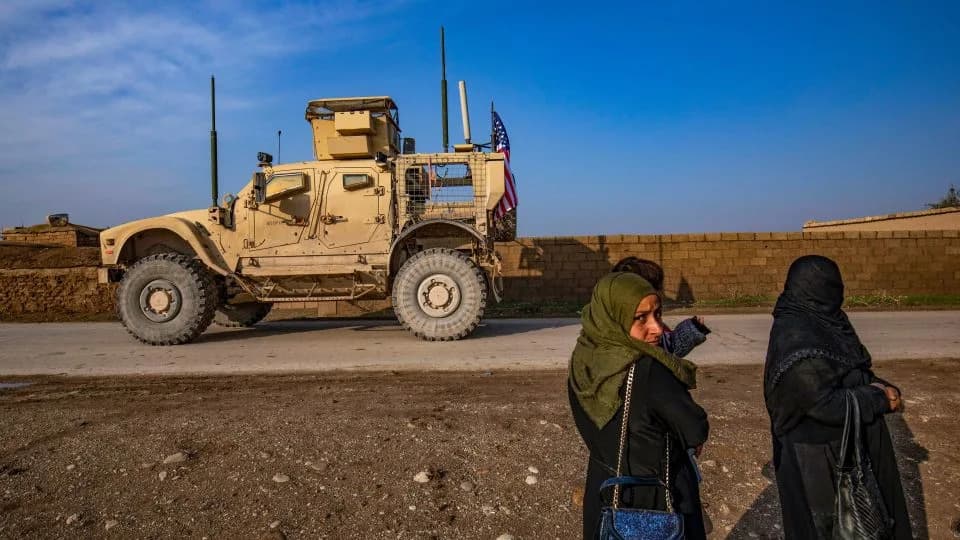
Iran has continued to target U.S. installations across the Middle East, and 18 American service members have been killed during the conflict (Getty)
In April, Reuters reported that the U.S. government had asked all commercial satellite-image providers to withhold imagery of the Middle East and Iran indefinitely; Planet was among the companies that reportedly heeded that appeal. Customers who received emails from the company were told Planet would use a "managed distribution of images" to try to balance the needs of stakeholders while responding to the government request.
The move is part of a broader trend: the European Union announced that its Copernicus Earth observation programme would add a one-day delay on satellite images showing shipping lanes near the Strait of Hormuz.
Security Concerns and Wider Context
U.S. commanders have expressed operational-security concerns after Iran repeatedly struck American and allied bases across the region. Media reports say 18 American service members have been killed during the conflict. A senior U.S. commander reportedly warned troops that cellphone videos recorded during deployments could help Tehran identify and target personnel, and the military is weighing restrictions on mobile phones for deployed forces.
Critics of the imagery restrictions argue the measures may be of limited effect because other state actors—most notably China and Russia—operate advanced satellite networks and can collect or share comparable imagery. The Trump administration, for its part, says months of fighting have severely degraded Iran's military capacity, even as Tehran has continued to carry out strikes on American forces.
What This Means
The episode highlights tension between commercial transparency and national security during active conflicts: private satellite firms provide powerful public data, but governments may request temporary limits to protect personnel and operations. Observers say any restrictions can slow public access to timely imagery, but may not fully prevent adversaries from obtaining similar intelligence.
Help us improve.