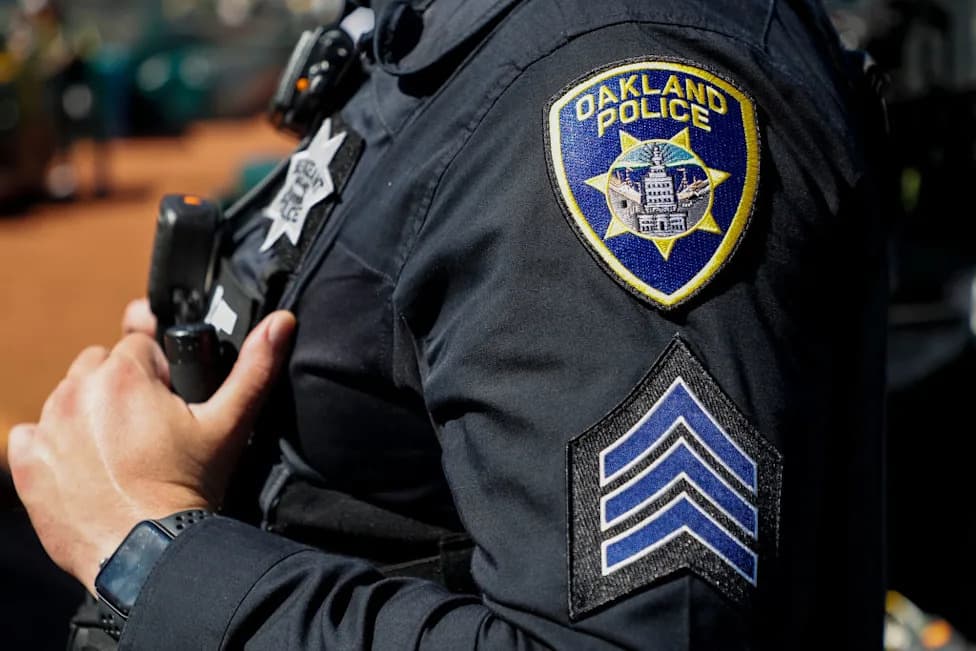
The ACLU of Iowa reports that school resource officers (SROs) in Iowa most often respond to vaping and minor disciplinary issues rather than preventing violent incidents. The study found 130 SROs across 78 districts and documented significant disparities: Black students and students with disabilities are referred and arrested at rates well above their share of the student population. The report also flagged widespread gaps in SRO training, program evaluation, and parental notification, and calls for stronger oversight and clearer limits on armed officer involvement.
ACLU of Iowa: School Police Mostly Handle Vaping, Escalate Discipline and Disparities
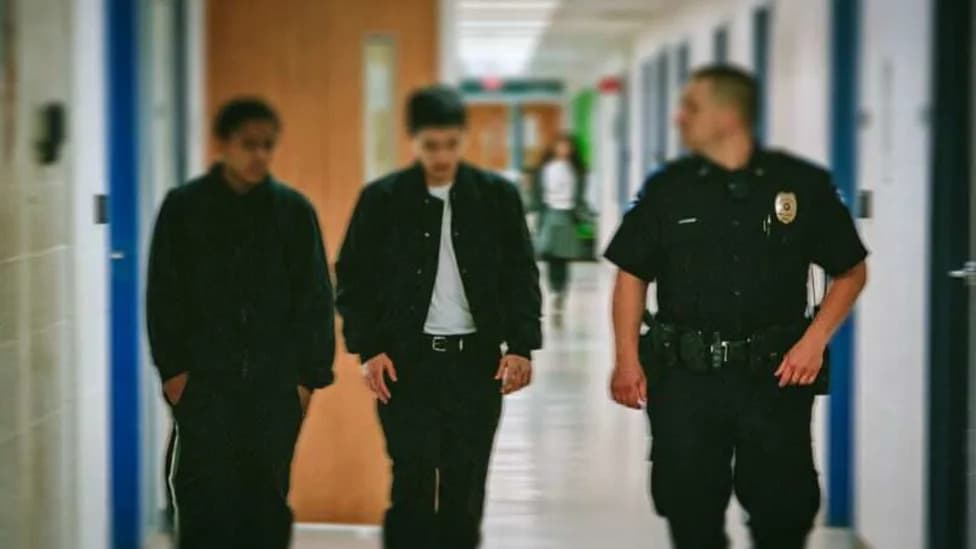
Illustration: Midjourney
A new report from the American Civil Liberties Union (ACLU) of Iowa finds that school resource officers (SROs) in Iowa are most often called to handle illicit vaping and other minor disciplinary matters rather than preventing violent incidents. Using public-records requests and federal data, the ACLU analyzed the role of SROs across the state and raised concerns about training, oversight, and unequal enforcement that disproportionately affects Black students and students with disabilities.
Key Findings
The survey identified 130 SROs working across 78 Iowa school districts, meaning roughly one in four districts employs at least one officer. Nationally, the presence of police in schools rose 23% between 2018 and 2021 at elementary, middle, and high schools, often justified by fears of mass shootings and campus violence.
Rather than focusing on violence prevention, the most common SRO interventions in Iowa involved THC or nicotine vaping. The report emphasizes that vaping is a disciplinary issue that does not require an armed officer to address.
Disparate Enforcement
The ACLU highlighted stark racial and disability-related disparities. Although Black students make up about 7% of Iowa's student population, they accounted for 13% of referrals to police and 21% of arrests. Students with disabilities—roughly 13% of the student body—represented 27% of SRO referrals and 26% of arrests. The report notes that national research does not show Black students misbehaving at higher rates that would explain these disparities.
Training, Policy, and Oversight Gaps
Report authors found widespread gaps in training and oversight: approximately 80% of districts have no meaningful SRO training policy, many districts fail to evaluate SRO programs regularly, and numerous districts do not follow state law requiring parents be notified when students are detained or questioned by SROs. Most districts also lack clear complaint procedures for alleged SRO misconduct.
“Without question, nothing could be more important than keeping kids safe, but unfortunately there's no evidence that SROs make schools safer. In fact, research shows it creates harm for many students,” said Rita Bettis Austen, legal director of the ACLU of Iowa.
Context and Research
Advocates for SROs, including the National Association of School Resource Officers (NASRO), argue that carefully selected and well-trained officers can reduce arrests by building trust and relationships with students and staff. However, several studies cited in the ACLU report and elsewhere raise trade-offs: a 2020 study in Florida found that a sharp increase in SROs corresponded with rising school arrests and increased use of physical restraints; a 2021 Annenberg Institute working paper concluded that SROs reduce some forms of school violence but do not prevent shootings or gun-related incidents; and research from the University of Maryland and Westat linked more SROs to higher recorded drug and weapon offenses as well as more suspensions and expulsions.
Local Policy Responses
After national protests and calls for police reform following George Floyd's murder in 2020, several large districts—including Des Moines and Ames, Iowa—ended their SRO programs in 2021. Later, a 2024 school shooting in Perry, Iowa, prompted state lawmakers to pass legislation aimed at increasing armed guards or law enforcement presence in schools, illustrating the ongoing policy debate.
Conclusions and Recommendations
The ACLU of Iowa's report calls for stronger oversight, clearer limits on when armed officers should intervene (especially for nonviolent issues like vaping), robust and standardized training, routine program evaluations, consistent parental notification when students are detained, and accessible complaint processes for students and families. The report frames these reforms as essential to prevent minor school incidents from funneling children into the juvenile or adult criminal justice systems—disproportionately harming Black students and students with disabilities.
Source: ACLU of Iowa report and related studies cited in that report.
Help us improve.