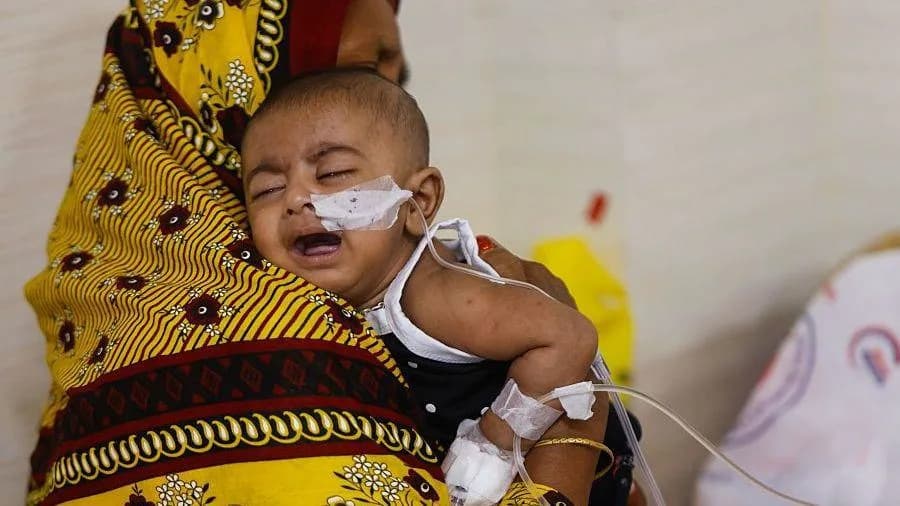
Cholera remains a major and growing threat in places lacking reliable safe water and functioning health systems. Reported cases rose about 175% from 2021 to 2025, but the World Health Organization estimates the true burden could be as high as 4 million cases and 143,000 deaths annually. Simple, proven treatments and an effective vaccine exist, yet conflicts, climate shocks and weak infrastructure keep outbreaks alive. Achieving the WHO’s goal to cut cholera deaths by 90% by 2030 requires sustained investment in water, sanitation, health services and vaccination.
Cholera Persists Where Clean Water And Health Systems Collapse — A Rising Global Threat
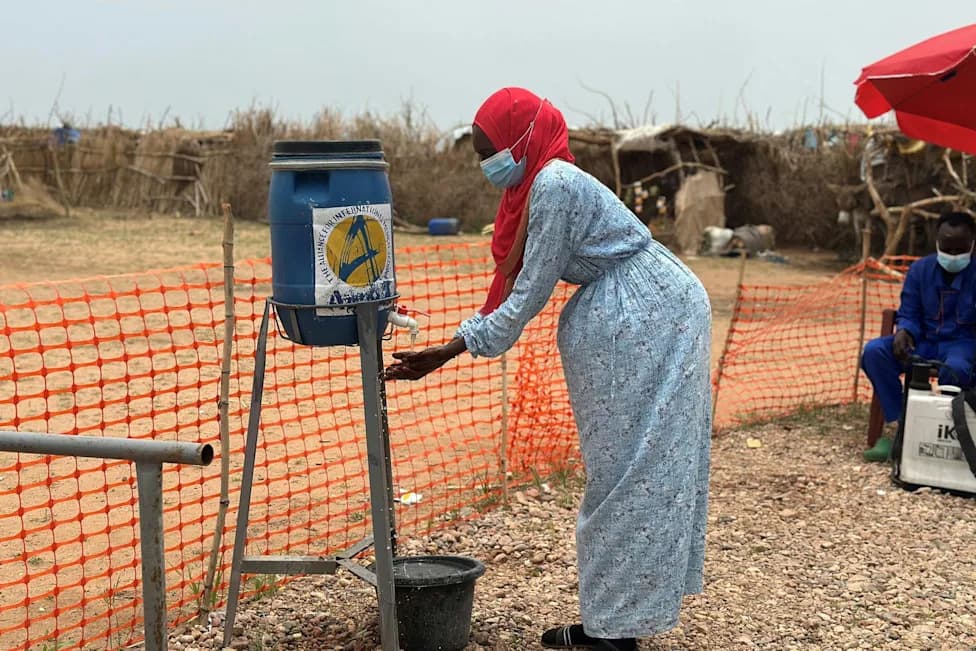
Cholera is common in parts of the world where clean water sources are unreliable. Sudan has suffered multiple outbreaks since the onset of a civil war in 2023.AFP via Getty Images
Many Americans know cholera more from the 19th-century simulation game The Oregon Trail than from real-life outbreaks: in that game, pioneers could die of severe diarrhea and dehydration long before reaching Oregon. In the 21st century, the United States records fewer than 20 cholera cases a year, almost all linked to travel. But globally, cholera remains a deadly, preventable disease wherever safe water and functioning health systems fail.
A Surge In Cases And The Hidden Toll
Reported cholera cases rose roughly 175% from 223,370 in 2021 to 614,828 in 2025. The year 2025 was the deadliest in over a decade, with nearly 7,600 reported deaths across 33 countries and an average of about 481,000 reported cases per year during that period. These official numbers understate the true burden: the World Health Organization (WHO) estimates the real annual toll may be closer to 1.3 million–4 million cases and 21,000–143,000 deaths.
Why Cholera Remains So Deadly
Vibrio cholerae, the bacterium that causes cholera, kills by triggering massive watery diarrhea that leads to rapid dehydration. Without prompt treatment, death can occur within hours. Yet the disease is unusually simple to treat: oral rehydration solution (a mix of clean water, sugar and salts) saves most patients; severe cases need intravenous fluids and antibiotics. In functioning treatment centers, mortality can be kept below 1%, well within the WHO benchmark for adequate care.
John Snow’s lesson: In 1854 the London physician John Snow used mapping to show that cholera spread through contaminated water, not “bad air.” His work founded modern epidemiology and still explains why cholera returns where clean water systems break down.
Drivers Of Outbreaks
Cholera concentrates where three conditions coincide: unreliable or absent safe drinking water, damaged or overwhelmed health systems, and population displacement. Rapid urban growth that outpaces sanitation, climate-driven floods and droughts that contaminate or exhaust water supplies, and armed conflict that destroys infrastructure and pushes people into crowded camps all increase risk. Roughly 2 billion people worldwide still lack access to safe drinking water.
Recent Examples: Sudan And South Sudan
The May 2026 outbreak in Sudan shows how quickly fragile gains can unravel. A large vaccination campaign had just ended and the prior outbreak was declared over in March 2026, yet two months later a new surge produced more than 1,330 confirmed cases and 114 deaths (reports through July 10). The WHO initially reported an alarming case fatality rate of 13.7%, reflecting the collapse of health services and the fact that early surveillance typically captures the sickest patients. In April 2026, the WHO said about 37% of Sudan’s health facilities were nonfunctional after years of war.
In the 2024–25 South Sudan outbreak, case fatality among patients treated in health facilities was 0.9% versus 1.9% overall; almost 47% of reported deaths occurred outside health facilities. Globally in 2024, nearly a quarter of cholera deaths occurred outside health facilities—at home, in camps or on roads—among people who never reached care.
Treatment, Vaccines And Limits
Oral rehydration salts, intravenous fluids and antibiotics remain the cornerstone of effective treatment. An inexpensive, effective two-dose oral vaccine also provides protection that lasts several years. Because vaccine demand has long outstripped supply, the WHO-led International Coordinating Group on Vaccine Provision has often adopted a single-dose strategy during outbreaks: one dose offers useful short-term protection, allowing more people to be reached quickly and saving more lives in active emergencies.
What It Will Take To End Preventable Deaths
The WHO and partners aim to cut cholera deaths by 90% by 2030. The tools to reach that goal are known and relatively inexpensive: safe water systems, sanitation, functional health centers stocked with rehydration supplies, and sufficient vaccine. What is missing in many places is sustained investment, political will and security to keep these systems functioning.
Actionable Priorities
- Invest in water, sanitation and hygiene (WASH) infrastructure in high-risk areas.
- Strengthen surveillance and laboratory capacity to detect and respond early.
- Preposition rehydration supplies and expand access to treatment centers.
- Maintain and expand equitable vaccine supply and distribution strategies.
Cholera did not disappear because the bacterium weakened; it receded where people built infrastructure that kept water clean and treated the sick. Wherever those elements are absent or destroyed, cholera will return.
Author: Katrine L. Wallace, University of Illinois Chicago. This article is republished from The Conversation, a nonprofit, independent news organization providing evidence-based analysis.
Help us improve.