Summary: The United States and Iran resumed heavy missile and drone exchanges, dimming hopes for a quick end to the five-month war. An Iranian strike on a Chinese firm's building in northern Kuwait killed one worker, while Jordan intercepted five missiles with no injuries. The U.S. reported a "heavy wave" of strikes on Revolutionary Guard targets; Iran reported casualties on Qeshm island. Shipping through the Strait of Hormuz has plunged, worsening global energy supply risks and forcing costly rerouting of oil exports.
U.S.-Iran Exchanges Escalate; Iranian Strike on Chinese Firm's Building in Kuwait Kills One
1 dies in Kuwait in Iranian strike on Chinese firm's building
The United States and Iran traded heavy missile and drone strikes on Thursday, signaling a return to sustained back-and-forth attacks and dimming hopes for a swift end to the five-month war.
After a short pause, fighting resumed across the region and fears of a broader conflagration have risen. Kuwaiti military officials said an Iranian strike severely damaged a building owned by a Chinese firm in northern Kuwait and killed one worker. Jordan reported it intercepted five missiles launched from Iran with no injuries.
U.S. Response
The U.S. military said it carried out a "heavy wave of strikes" against dozens of targets linked to Iran's Islamic Revolutionary Guard Corps, targeting command centers, missile and drone facilities, and coastal surveillance and defense sites. The strikes followed a prior Iranian attack on a U.S. base in Jordan.
Iranian and Regional Casualties
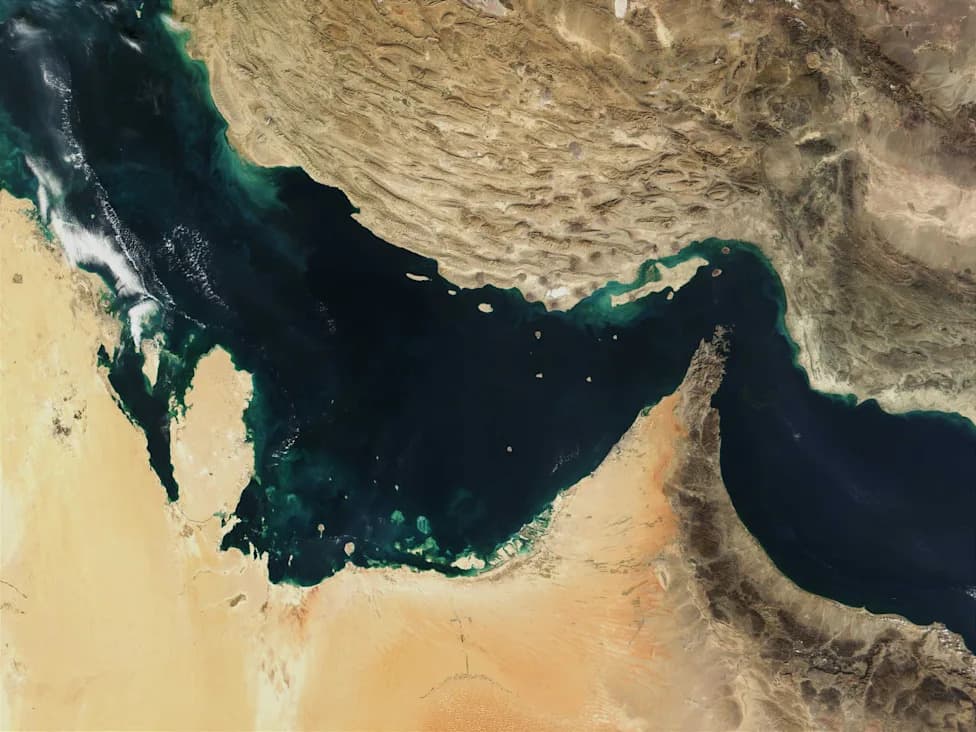
Iran's IRNA news agency reported three people killed and two wounded on the island of Qeshm in a separate strike. The island lies near the strategically vital Strait of Hormuz, through which a significant share of the world's oil and gas shipments pass.
Wider Regional Impact
Earlier in the week the U.S. and Saudi Arabia struck Iran-backed militias in Iraq, which the two governments said killed at least 20 militia fighters and six Iranian advisers. British maritime-security firm Ambrey reported that drone attacks ignited fires on two natural gas vessels at Egypt's Damietta port; Egyptian authorities' initial inquiries attributed the fires to drone strikes. The Houthi rebels in Yemen denied responsibility for the Damietta incidents.
Energy and Shipping Disruptions
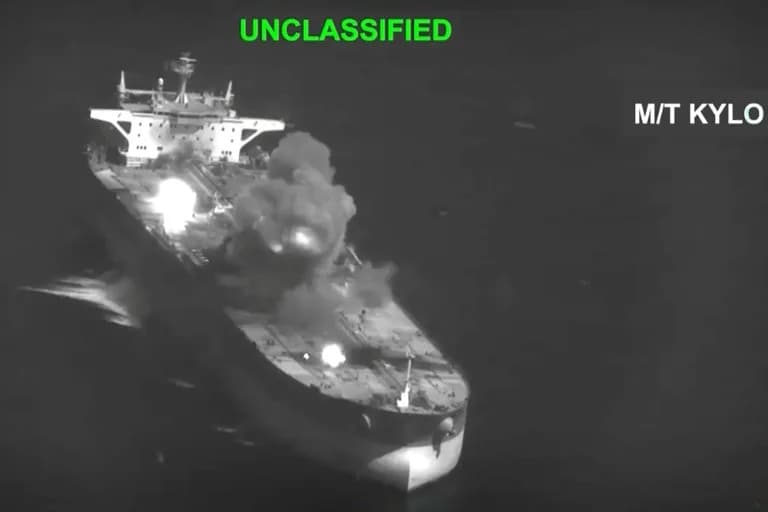
Since Iran began targeting ships in the Strait of Hormuz, ship traffic has plunged and global energy markets have tightened. Lloyd's List Intelligence reported transit numbers falling from 82 vessels the week of July 13-19 to just 39 vessels from July 20-26. Some Saudi oil exports are now being rerouted: tankers deliver crude to Egypt's Ain Sokhna on the Red Sea, it is pumped by pipeline to Sidi Kerir on the Mediterranean, and reloaded onto tankers — a slower and more expensive route because the Suez Canal cannot accommodate the largest fully laden oil supertankers.
Houthi Actions and Bab el-Mandeb
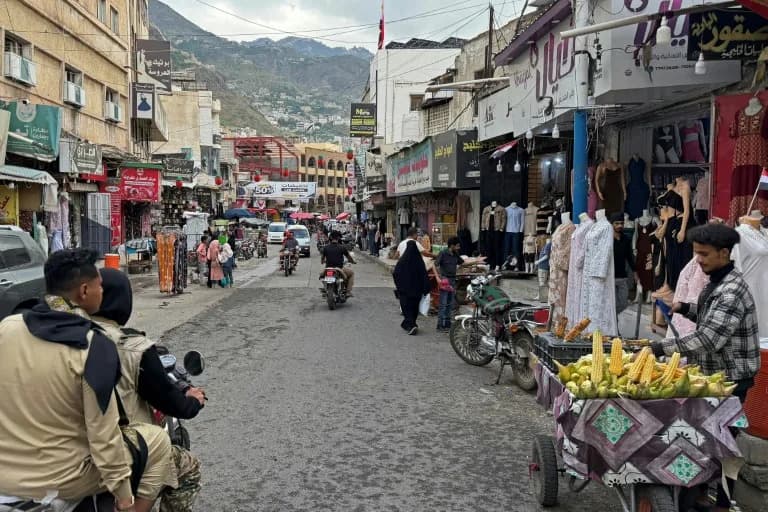
The Houthi rebels have claimed strikes on Saudi energy infrastructure and announced a blockade of Saudi shipping through the Bab el-Mandeb Strait, a key gateway between the Red Sea and the Gulf of Aden. The Houthis also said they launched drones targeting facilities that move oil toward Saudi ports as retaliation for alleged Saudi incursions into Yemeni airspace.
Diplomacy and Concerns
Pakistan, which has been engaged in mediation efforts, warned that the security situation remains precarious. Pakistani Foreign Ministry spokesperson Tahir Andrabi said talks are ongoing to normalize conditions in the Strait of Hormuz. U.S. officials have expressed concern about prolonged conflict depleting critical weapons stockpiles needed to defend bases and allies.
Domestic Politics
Public support at home appears fragile: an AP-NORC poll showed a slight drop in President Donald Trump's approval rating on his handling of Iran since last month. Saudi Defense Minister Khalid bin Salman held private meetings in Washington this week with President Trump and Vice President JD Vance; Saudi officials say Riyadh's participation in strikes was intended to deter attacks on its oil infrastructure while pressing for de-escalation and a return to negotiations.
"We note with concern that the security situation remains precarious," Pakistani Foreign Ministry spokesperson Tahir Andrabi said, underscoring the diplomatic push to stabilize the Strait of Hormuz.
The situation remains fluid, with continued strikes and counterstrikes raising the risk of further regional escalation and continued disruption to global energy supplies.
Help us improve.