The drone strike at Damietta port, near the Suez Canal, set fires aboard two vessels including the U.S.-owned Energos Winter and has heightened concerns about shipping security and oil exports. The U.S. struck IRGC command and drone facilities after Iranian attacks on U.S. forces, while Iran reported civilian casualties and said some Guards were killed. The conflict has spread across the region — Saudi forces joined U.S. strikes in Iraq, Houthi actions threaten Red Sea routes, and incidents around the Strait of Hormuz have further disrupted maritime transit.
Drone Strike Near Suez Canal Sparks Shipping Security Alarm as U.S.-Iran Conflict Widens

Rescuers clear rubble to search for victims following a strike in Qeshm, Iran, in this still image taken from video released July 30, 2026. IRIB/via Reuters TV/Handout via REUTERS
A drone strike on gas vessels at Egypt's Mediterranean port of Damietta has opened a potential new front in the widening U.S.-Iran confrontation, raising fresh concerns over navigation and security near the Suez Canal — a key export route for Saudi oil.
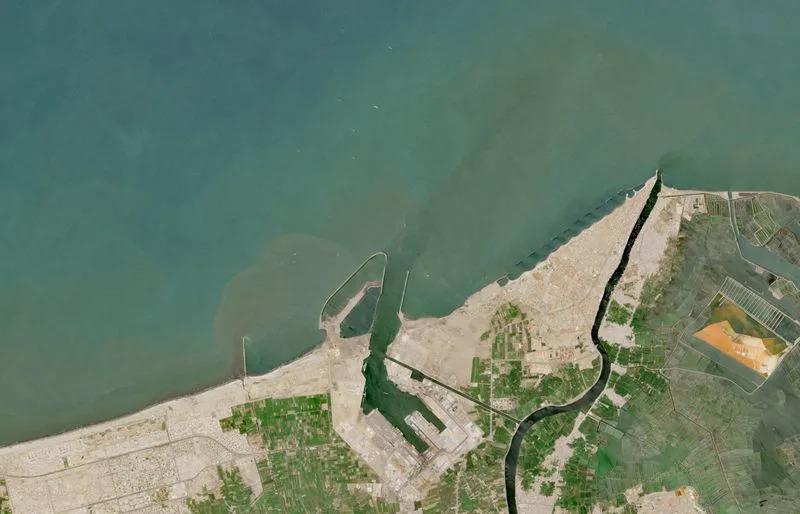
A view of the Damietta port, Egypt, July 28, 2026. European Union/Copernicus Sentinel-2/Handout via REUTERS.
What Happened
Egypt's cabinet said an initial investigation found an unidentified drone caused fires aboard two ships at Damietta port on Wednesday. Trading sources said the U.S.-owned gas storage tanker Energos Winter was hit and that the blaze spread to a second vessel. No group has claimed responsibility for the attack, the cabinet added.
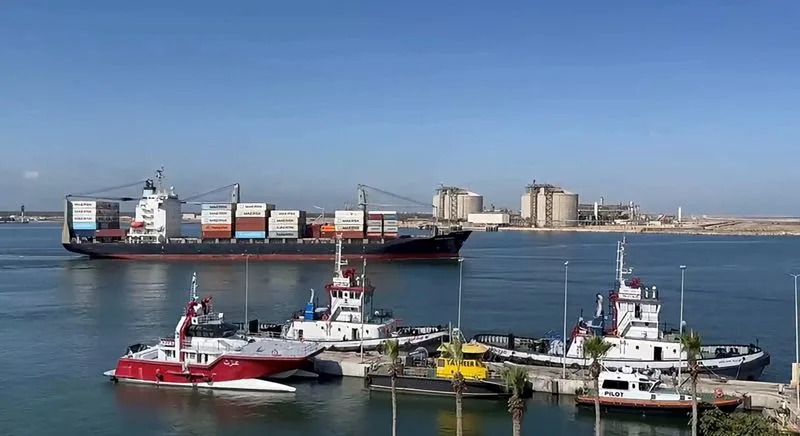
A view of the Damietta Port in Egypt where a drone attack caused fire on two ships, in this undated social media video obtained by Reuters on July 30, 2026. DAMIETTA PORT AUTHORITY/Handout via REUTERS
Regional Escalation
Overnight, the U.S. military reported strikes on Islamic Revolutionary Guard Corps (IRGC) command centers and drone facilities after Tehran fired at U.S. forces in the region. Iranian state media, citing the Guards, said U.S. strikes killed three civilians and wounded two children on Qeshm Island; separate Iranian reports said three Guards members were killed in Zanjan province. The governor of Khuzestan province reported damage to two student dormitory complexes in Ahvaz.
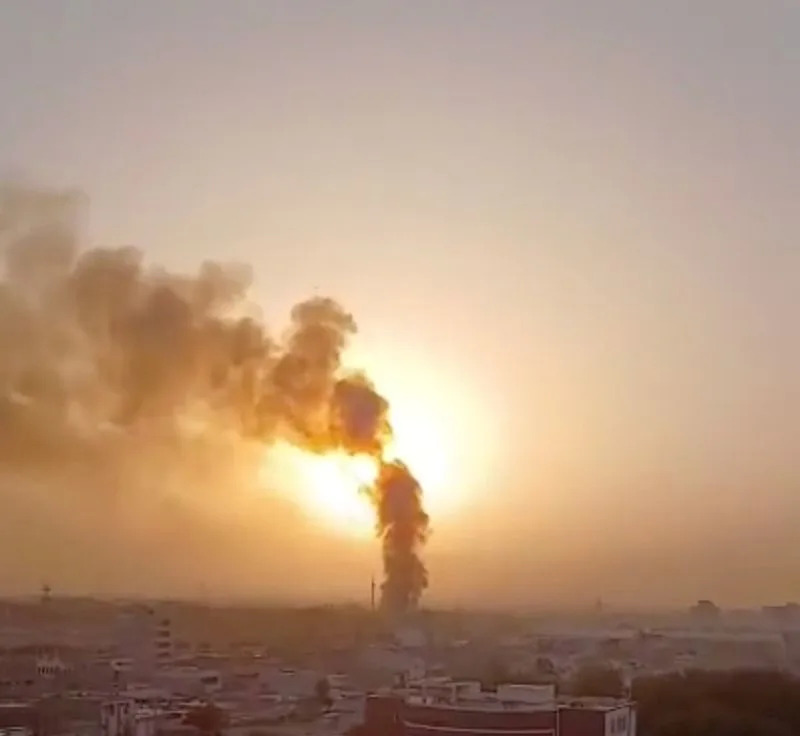
Smoke rises after reports of multiple U.S. strikes on the city, as loud explosions were heard according to the Iranian state TV, in Ahvaz, Khuzestan Province, Iran, July 30, 2026, in this screen grab obtained from a social media video. Social Media/via REUTERS
U.S. Central Command: "All missiles and drones were intercepted, or failed to reach targeted areas."
The IRGC claimed it struck the Azraq military base in Jordan and targeted U.S. F-35 jets — assertions the U.S. military denied, saying no U.S. aircraft were destroyed or damaged. Jordanian forces said they intercepted five missiles, and Iran-linked outlets reported strikes on assets at Ali Al Salem Air Base in Kuwait. Kuwait's Defence Ministry said an Iranian strike damaged a building owned by a Chinese company in northern Kuwait and killed one worker.
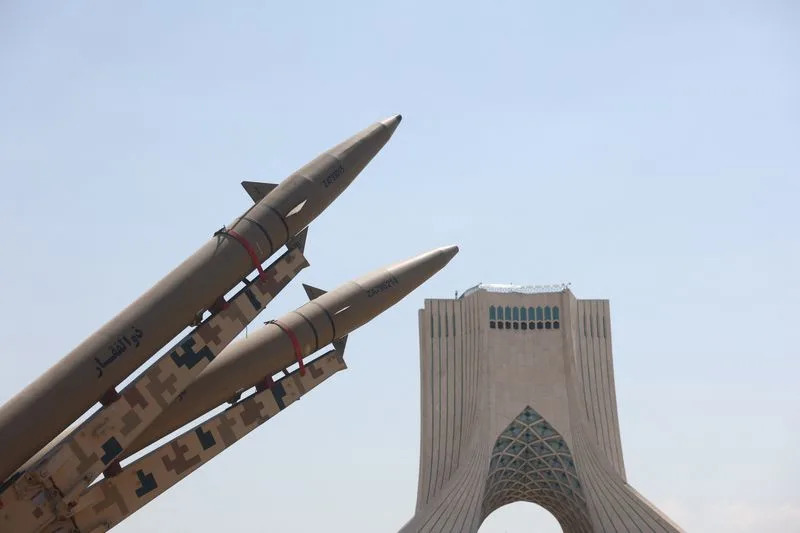
An Iranian missile system is displayed in Azadi Square in Tehran, Iran, July 30, 2026. Majid Asgaripour/WANA (West Asia News Agency) via REUTERS
Wider Consequences For Shipping And Energy
Saudi Arabia publicly joined U.S. strikes for the first time since the conflict expanded, targeting Iran-aligned groups in eastern Iraq in retaliation for drone attacks on Saudi oil facilities said to have been launched from Iraqi territory. Regional assessments also linked Houthi attacks on Saudi targets to coordination with Iraqi groups, raising fears that the conflict could draw in additional regional actors.
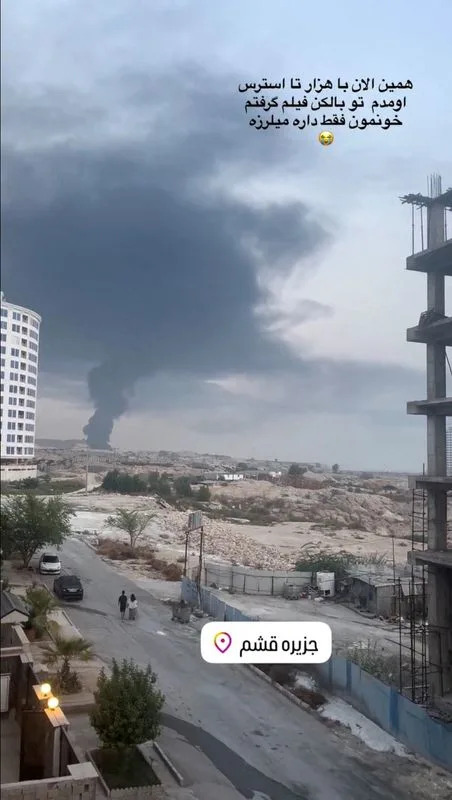
A plume of smoke rises after reported strikes, from Qeshm, Iran, July 30, 2026, in this screengrab obtained from a social media video. Social Media/via REUTERS
The Houthi campaign and threats of a naval blockade of Saudi ports have raised risks for alternative Red Sea shipping routes. London's marine insurance market widened its "high risk" zone in the Red Sea after Houthi attacks on commercial vessels, increasing costs and complications for ship operators and oil exporters.
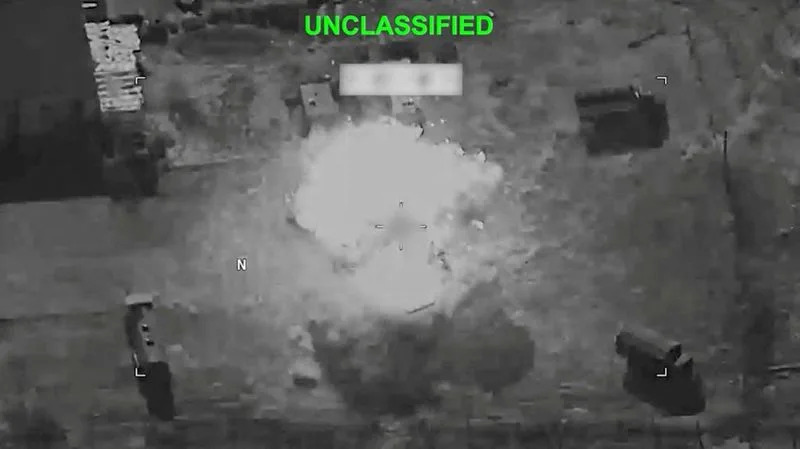
Smoke rises following explosion at an unknown location, during what U.S. Central Command (CENTCOM) says are strikes on Iran, in this screengrab taken from a handout video released on July 29, 2026. U.S. Central Command/Handout via REUTERS
Strait Of Hormuz And Diplomatic Moves
Tehran said it struck three tankers it said were transiting the Strait of Hormuz via an unauthorized route. Ship-tracking data showed a QatarEnergy-controlled LNG tanker exited the strait overnight — the first recorded passage since July 11 — and Iranian media said Tehran had permitted that transit.
Oman presented a Gulf-backed plan to Tehran to manage the Strait of Hormuz, including a voluntary fee mechanism for transit. Tehran formally rejected the proposal, though Iranian officials said talks with Oman were continuing.
Arms And Defenses
After the conflict exposed vulnerabilities in Iran's defenses, sources told Reuters Tehran expected an initial shipment of Chinese-made shoulder-fired air-defense missile launchers in coming weeks. China's Foreign Ministry denied the report and Iran's foreign ministry did not immediately comment.
The developing incidents in Egypt, Iraq, Jordan, Kuwait and the Strait of Hormuz underscore the conflict's spillover risks for global energy markets and international shipping lanes.
Reporting compiled from Reuters bureaux; writing and editing by Reuters staff.
Help us improve.