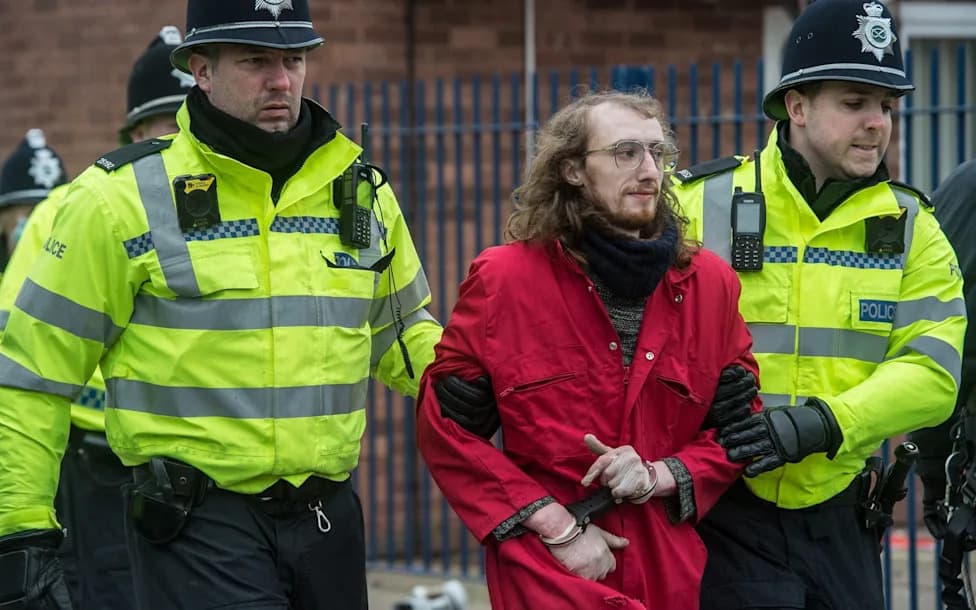
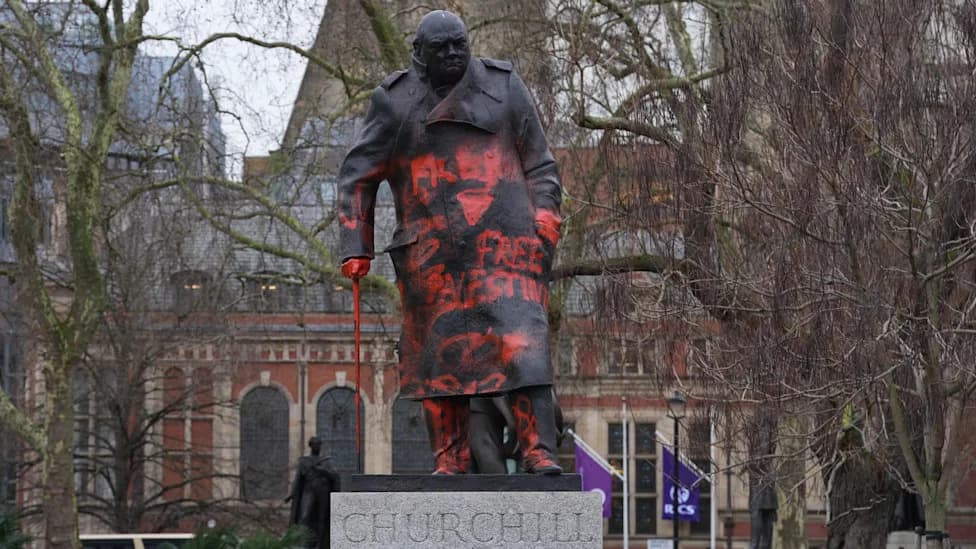
Five Palestine Action activists convicted of criminal damage for defacing a Barclays branch on 5 August 2024 now face the prospect of longer sentences if a judge rules their offences were aggravated by terrorism. The judge raised the "terrorist connection" question only after the jury returned guilty verdicts, a step criticised as unfair by defence lawyers and one defendant. Government legal adviser Jonathan Hall KC says judges in England and Wales routinely determine aggravating factors at sentencing, but opponents warn the approach risks creating a concerning precedent.
Judge's Post-Trial Move To Treat Palestine Action Protest As 'Terrorism' Draws Unfairness Claim
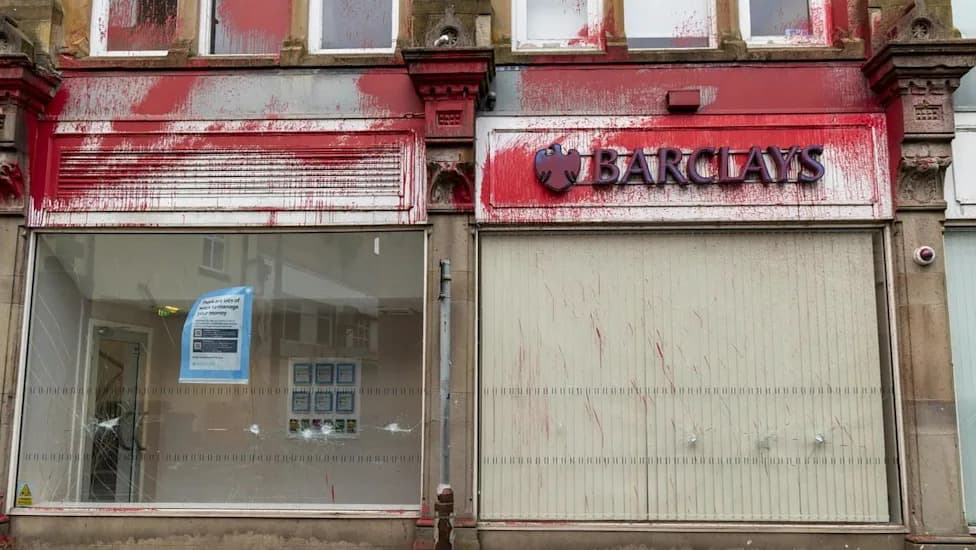
Five Palestine Action activists hurled red paint and damaged windows at a Barclays bank in Burnley [BBC]
A senior civil liberties lawyer has criticised a judge's decision to invite submissions on whether five Palestine Action activists' criminal damage convictions could be treated as aggravated by terrorism — a question raised after the jury returned guilty verdicts.
The defendants were convicted by a jury of criminal damage after covering a Barclays branch in Burnley, Lancashire, with red paint and causing splintered windows during an incident on 5 August 2024. Damage from the incident has been estimated at more than £200,000.
Judge's Decision Came After Verdict
After the verdicts, Judge Philip Parry asked both prosecution and defence to submit arguments on whether the offences involved a "terrorist connection". That possibility had not been put to the jury during the trial. If the judge concludes the offences were aggravated by terrorism, the five defendants could face substantially longer sentences when they are sentenced on 4 September at Preston Crown Court.

From top left: Mohammed Malik, Hmeera Atiqnisar, Brendon O'Hagan, Amanda Kelly and Alma Yaniv [Handout]
Who Was Involved
The defendants are Brendon O'Hagan (28), Amanda Kelly (31), Hmeera Atiqnisar (31), Mohammed Malik (28) and Alma Yaniv (70). Palestine Action says it targeted Barclays because of the bank's then-links to Elbit Systems, which the group alleges supplied military components used in the conflict in Gaza. At the time of the protest, Palestine Action was not proscribed as a terrorist organisation and membership or support of the group was not itself an offence.
Legal Debate: Procedure and Precedent
Laura O'Brien, head of the public order and protest team at Hodge, Jones & Allen solicitors, described the move as procedurally unfair. She said the issue of terrorism aggravation emerged only after trial, had not been pursued by the Crown Prosecution Service during proceedings, and was not considered during case preparation. O'Brien also warned that a recent ruling by Mr Justice Johnson in a separate Palestine Action case involving an Elbit factory in Bristol — in which he found offending to be aggravated by a "terrorist connection" despite the jury not being asked that question — risked becoming a precedent encouraging similar post-trial approaches.
"None of the defendants had been prosecuted on the basis that the prosecution were suggesting there was a terrorist connection,"
Jonathan Hall KC, the government's independent adviser on terrorism legislation since 2014, said judges in England and Wales commonly decide aggravating factors at sentencing. He noted that while Scottish law requires juries to decide whether an offence is terrorist-aggravated, English procedure routinely leaves such determinations to judges at the sentencing stage. Hall stressed that any finding of terrorism aggravation would have to be based on the specific facts and evidence in the case.
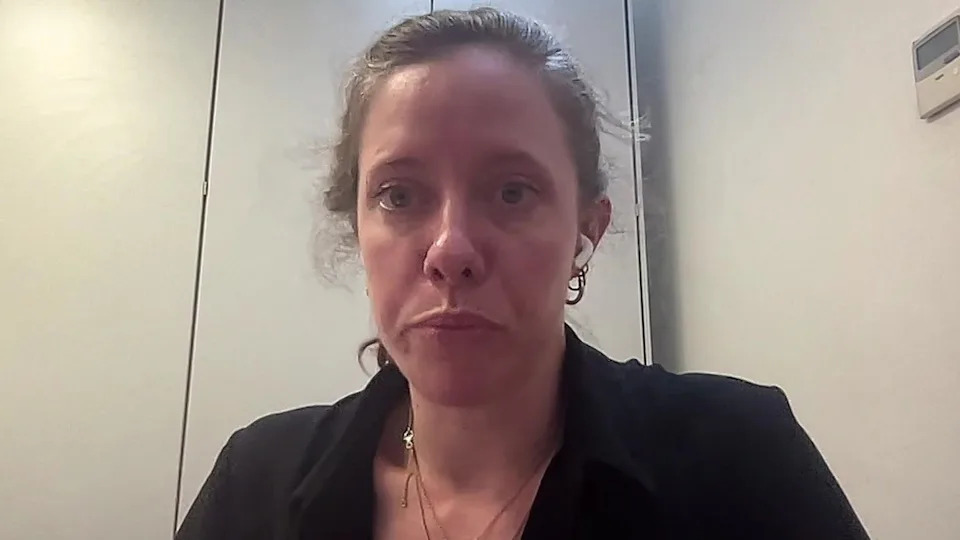
Solicitor Laura O'Brien said the precedent set by the Johnson ruling was a "concern" [BBC]
"I think you can see what their complaint is, but in fact, it is just the way in criminal process works in England and Wales,"
One defendant, Mohammed Malik, criticised the post-trial approach and described the Johnson ruling as setting a "dangerous precedent." He said neither the prosecution nor the jury had been alerted during the trial that the convictions could lead to terrorism-related sentencing, and warned that treating acts of protest as terrorism risks curbing political dissent.
Next Steps
The judge will consider written submissions from both sides before ruling on whether the criminal damage offences are aggravated by terrorism. Sentencing is scheduled for 4 September at Preston Crown Court.
Correction/Context: At the time of the protest, Palestine Action was not proscribed; the group’s links to Elbit are the reason given for choosing the Barclays branch as a target. The legal dispute centres on procedure: whether terrorism aggravation should have been raised before trial or can permissibly be decided by a judge after conviction.
Help us improve.