Detroit police broke up a large car meet near I‑75/I‑94 on July 26, inspecting 65 vehicles, impounding nine, issuing 53 citations and recovering a firearm. Michigan’s drag‑racing law (MCL 257.626a) covers parking lots and creates presumptions that shift the burden onto drivers. Convictions can add SOS points, trigger license reexamination, remove statutory guaranteed‑issue insurance protections for three years, and expose vehicles to civil forfeiture under nuisance law.
Beyond the $100 Ticket: What Detroit’s Parking‑Lot Street‑Racing Bust Really Costs Drivers and Spectators
What Detroit's Street Racing Bust Really Costs Drivers and Spectators
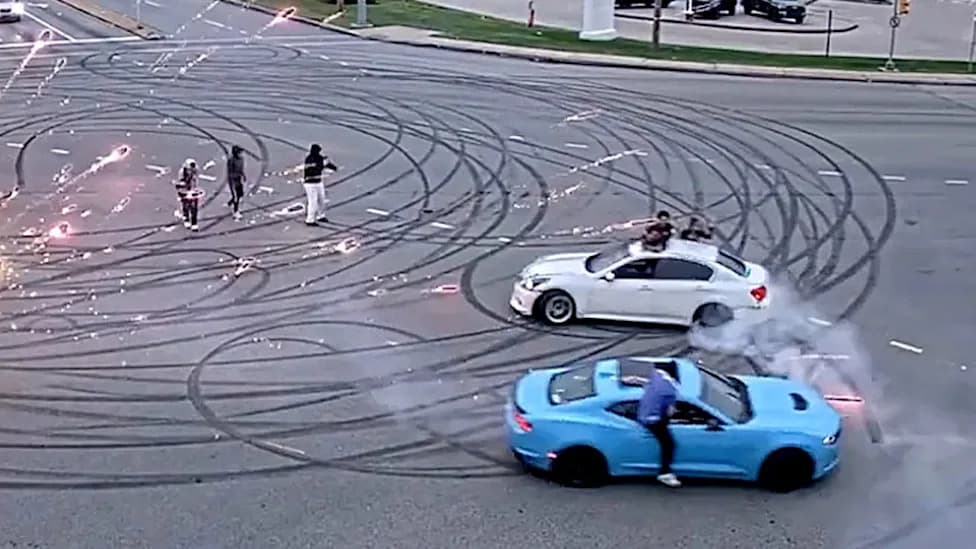
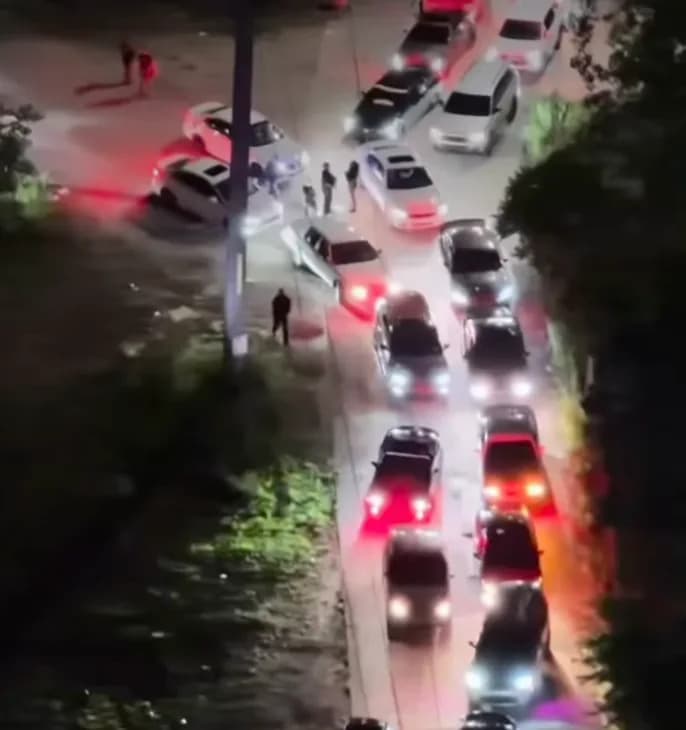
Detroit police dispersed a large car gathering near the I‑75/I‑94 interchange late on Sunday, July 26. Officers say they inspected 65 vehicles, impounded nine, issued 53 municipal ordinance citations, recovered a firearm and cited one vehicle for fleeing — the driver fled on foot; police say they have identified the car and continue to seek the person who was driving.
Why Tickets Are Only Part Of The Story
At first glance 53 ordinance citations look like a cheap, fast enforcement outcome. Municipal tickets are quick to issue and easy to pay online, but they are just the visible surface. The impounds — and the civil tools that let the city pursue vehicles themselves — are where the real stakes lie.
Michigan Law Reaches Parking Lots
Contrary to a common belief, a private parking lot does not put you outside Michigan’s drag‑racing law. MCL 257.626a applies to a highway "or any other place open to the general public, including an area designated for the parking of motor vehicles." That means strip‑mall lots, industrial aprons and big‑box parking fields are all fair game for enforcement.
Assisting And A Presumption That Hurts Drivers
Subsection (1) forbids operating in a speed contest and "assisting" in one — not merely watching or filming. Whether a circle of spectators who form the walls of an impromptu skidpad amounts to assistance is a factual question for a judge, and prosecutors have tested that boundary.
Subsection (2) creates a damaging evidentiary presumption: two vehicles accelerating from a common starting point above the speed limit is prima facie evidence of a drag race. That shifts the burden onto drivers to explain their conduct rather than requiring the state to prove intent from scratch.
What Can End Up On Your Record
Convictions carry immediate and collateral consequences. Under the Michigan Secretary of State points schedule, a drag‑racing conviction carries 4 points; reckless driving and fleeing and eluding carry 6 points. Points remain for two years; accumulating 12 points in that window can prompt a Secretary of State reexamination and possible license restrictions, suspension or revocation.
Reckless driving (commonly charged for donuts and drifting when no second vehicle is involved) is also a misdemeanor under MCL 257.626, punishable by up to 93 days in jail and a $500 fine. If the conduct causes serious impairment of a bodily function, it can become a five‑year felony; if it causes death, exposure rises to a 15‑year felony.
Insurance, Modifications And Long‑Lasting Consequences
Insurance fallout can be worse than fines or points. A reckless‑driving conviction within the prior three years removes you from the statutory definition of an "eligible person" for auto insurance under MCL 500.2103, meaning guaranteed‑issue protections no longer apply for three years. Note that the statute names reckless driving (MCL 257.626) and does not list the drag‑racing statute (MCL 257.626a); two related offenses can have very different insurance outcomes.
MCL 500.2111 requires insurers to use merit‑rating plans that apply surcharges for convictions under Chapter VI of the vehicle code; how long a civil infraction affects merit rating is tied to the SOS points window, but misdemeanors may be treated differently. Separately, MCL 500.2118 lets insurers adopt underwriting rules addressing "substantial modifications" that increase a vehicle’s speed or acceleration — in plain terms, heavily modified cars can be declined or limited by carriers.
How Detroit Can Take Your Car
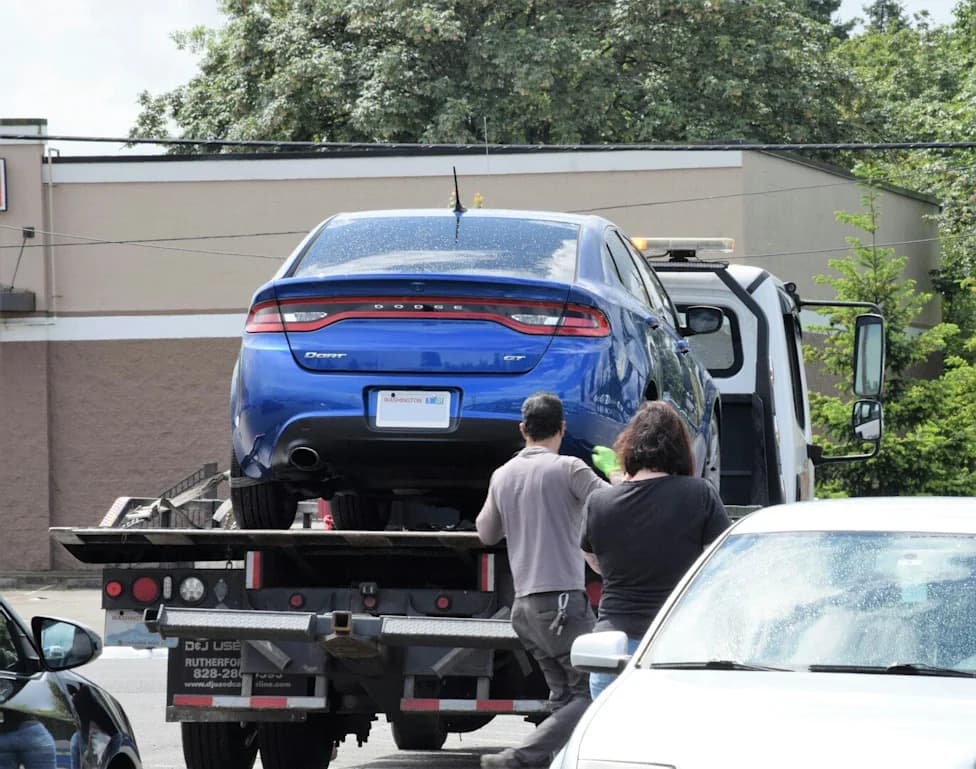
Impoundment initially looks like a tow bill; forfeiture is a much more consequential civil process that Detroit has used via nuisance abatement under MCL 600.3801 et seq. These actions are in rem — the case is against the vehicle itself. Important protections and traps for owners:
- MCL 600.3815 provides that proof of the defendant‑owner’s knowledge of the nuisance is not required.
- When the state seeks forfeiture, it must prove by clear and convincing evidence that the vehicle was used to further the nuisance — a higher standard than usual for the chapter, and a crucial sentence for defense counsel to read.
Court precedent in Michigan is unforgiving for some owners. A 2014 Wayne County Court of Appeals decision affirmed the forfeiture of a Camaro loaned by a father to his son, even though the father testified he thought the son was driving to a relative’s house. The court relied on the statute’s no‑knowledge language and on the U.S. Supreme Court’s decision in Bennis v. Michigan (1996), which rejected an innocent‑owner defense in nuisance forfeiture.
Practical Notes For Owners And Buyers
Financing does not shield you: under MCL 600.3810, a recorded lienholder is treated as an owner and will be a named party in any forfeiture proceeding. Seized vehicles often enter Detroit Police Department public auctions (locations include Grand River, Grinnell and a lot on Trombly), so buyers should understand the source of that inventory before bidding.
Where Enforcement Is Headed
If you want the most authoritative, up‑to‑date enforcement numbers, the Detroit Board of Police Commissioners meets regularly; the department’s drifting and drag‑racing detail is a standing agenda item. The board is where DPD’s own data are formally presented and discussed.
Bottom Line
Detroit’s enforcement math tends to look the same: dozens of citations, a handful of impounds, and a smaller group that faces longer‑term consequences — insurance losses, license review, or civil forfeiture. Until the city has a sanctioned, insured, permanent place for enthusiasts to race, that pattern will likely continue.
Help us improve.