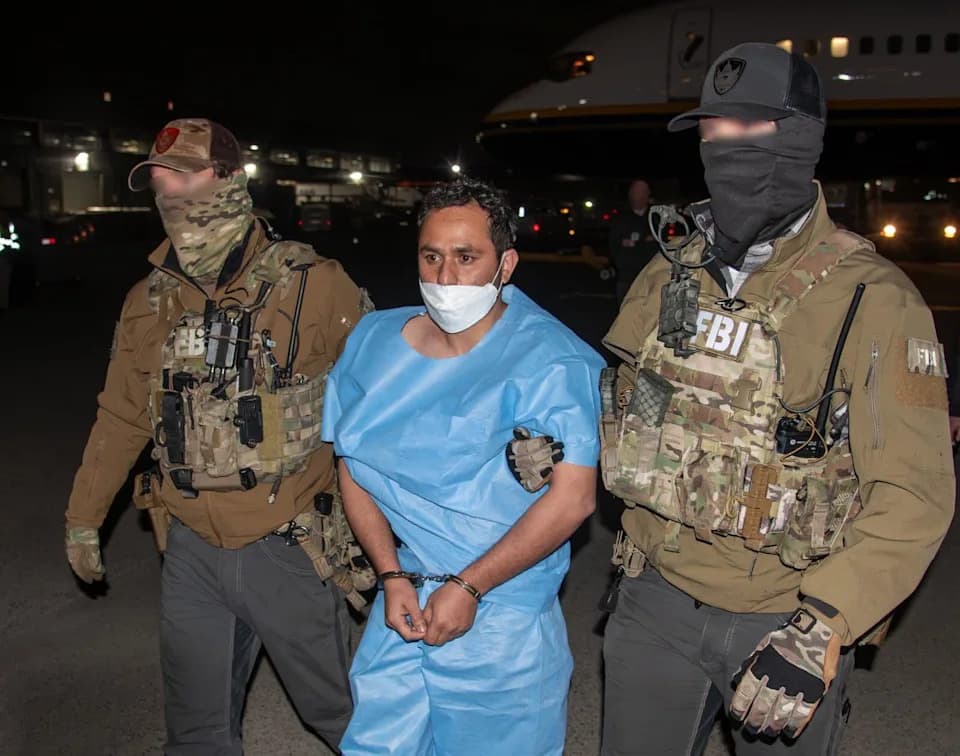
A federal jury in the Western District of New York has convicted Hadi Matar on multiple terrorism-related counts for the Aug. 12, 2022, stabbing of author Salman Rushdie at the Chautauqua Institution. Matar, already sentenced to 25 years in state court, faces up to life in prison on the most serious federal charge when he is sentenced on Nov. 3. Prosecutors presented evidence that Matar researched a decades-old fatwa, communicated with contacts overseas, adopted Hezbollah symbols and used a false ID. Rushdie testified at trial and showed jurors the extent of the injury to his right eye.
Jury Convicts Salman Rushdie Attacker on Terrorism Charges; Faces Possible Life Sentence
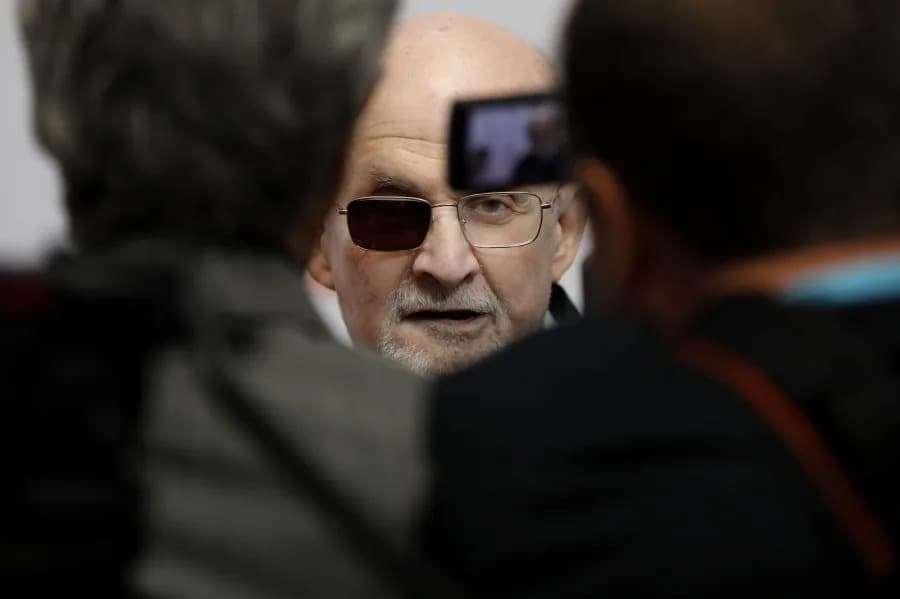
The man who attacked writer Salman Rushdie in August 2022 was convicted by a federal jury in New York on Wednesday on terrorism charges. Photo by Peter Foley/UPI
A federal jury in the Western District of New York has convicted Hadi Matar, a man from Fairview, New Jersey, on multiple terrorism-related counts tied to his Aug. 12, 2022, attack on author Salman Rushdie at the Chautauqua Institution in Mayville, N.Y. Matar was previously sentenced in state court to 25 years in May 2025 for the stabbing; the most serious federal count carries a maximum penalty of life in prison at his federal sentencing on Nov. 3.
Verdict and Charges
The jury found Matar guilty of attempting to provide material support to a designated foreign terrorist organization, engaging in an act of terrorism transcending national boundaries, and providing material support to terrorists. Federal prosecutors portrayed the attack as premeditated and motivated by extremist ideology.
Attack and Victim
Matar rushed the stage while Rushdie was speaking and stabbed the 79-year-old writer before audience members subdued him and police took him into custody. Rushdie lost vision in his right eye and sustained nerve damage as a result of the assault; during the trial he testified and at one point removed his glasses so jurors could see the extent of his injury.
Prosecutors' Case
"Hadi Matar, who was born and raised in the United States, chose to align his values with the terroristic values of the leaders of Iran, which often promote violence, and in this case, the call for murder," said U.S. Attorney Michael DiGiacomo in a statement.
Prosecutors said Matar researched a decades-old fatwa against Rushdie, issued in 1989 by Iran's late spiritual leader Ayatollah Ruhollah Khomeini after the publication of The Satanic Verses. The prosecution presented evidence that Matar spent more than a year studying the fatwa, communicated with people overseas, adopted symbols associated with Hezbollah and used a false driver's license bearing the name "Hassan Mughniyeh."
Evidence Presented
According to trial testimony and prosecutors' filings, Matar traveled by bus from New Jersey to Buffalo and then toward the Chautauqua Institution on the day of the attack. Prosecutors said he had visited a Hezbollah-run website that morning and captured screenshots of operatives who had died that month. Authorities also pointed to his use of Hezbollah imagery and the false identification as evidence of intent and affiliation.
Attribution and Context
Prosecutors told the jury that Matar acted under the influence of the fatwa and had discussed the plan with contacts in Iran, Australia and Canada. The trial record referenced statements by political and militant figures related to the fatwa; those references were presented to explain motive and context during the prosecution’s case.
Next Steps
Matar is scheduled to be sentenced on the federal counts on Nov. 3. He already faces a separate 25-year state sentence for the stabbing conviction entered in May 2025. Law enforcement officials emphasized that the attack, as presented at trial, was planned rather than spontaneous.
"The evidence presented in the trial showed that this attack was not spontaneous. It was deliberate. It was research. It was planned. It was motivated by violent extremist ideology," said Alan Davis, Special Agent in Charge of the FBI's Buffalo Field Office.
Rushdie's testimony and the courtroom evidence together formed the basis for the federal convictions. The case highlights how domestic acts of violence can be prosecuted under federal terrorism statutes when authorities conclude the acts were motivated by, or connected to, designated foreign organizations or transnational extremist directives.
Help us improve.