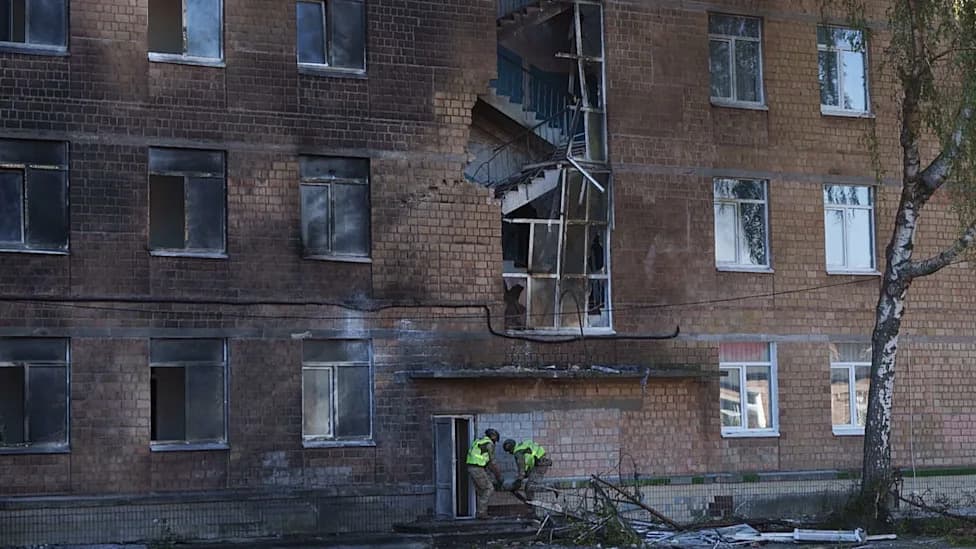
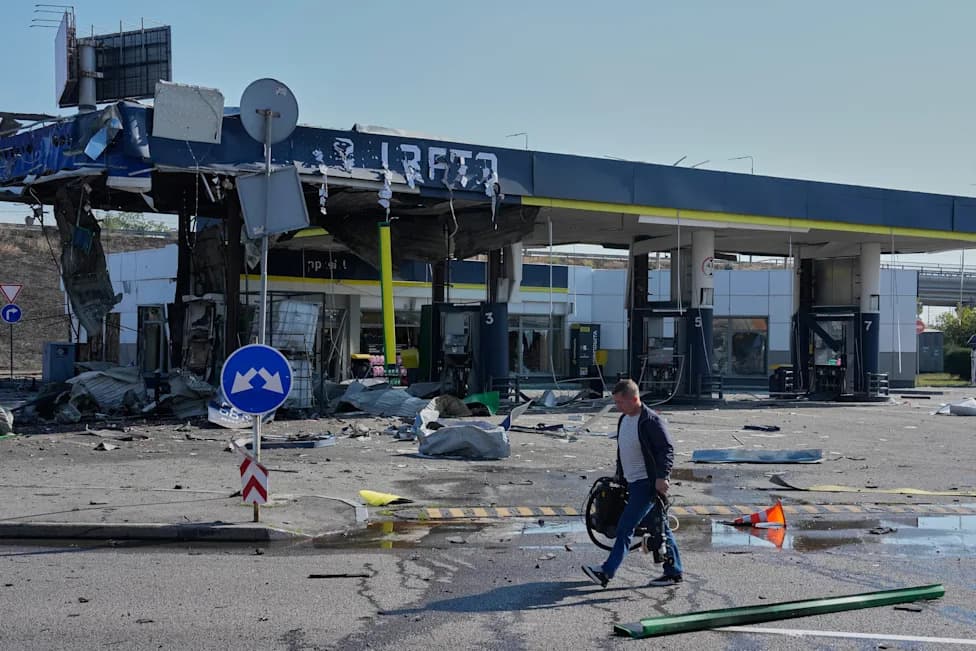
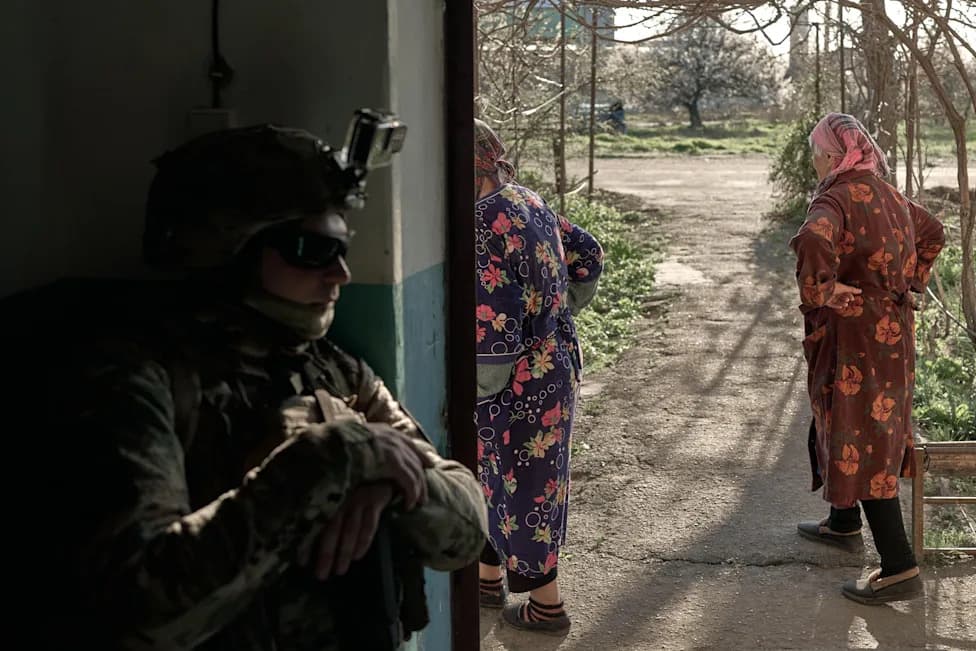
Ukraine has stepped up strikes on Russia‑annexed Crimea this summer, concentrating on fuel and power infrastructure and triggering frequent blackouts, petrol shortages and civilian casualties. Supply routes to Russia — a northern corridor and the 19‑km Kerch bridge — have been targeted, complicating deliveries and raising fuel prices. Residents are adapting with generators and rationing, while analysts say the campaign seeks to pressure Moscow and highlights Crimea’s symbolic importance.
Drones, Blackouts and Fuel Shortages: Crimea’s Tense Summer Under Attack
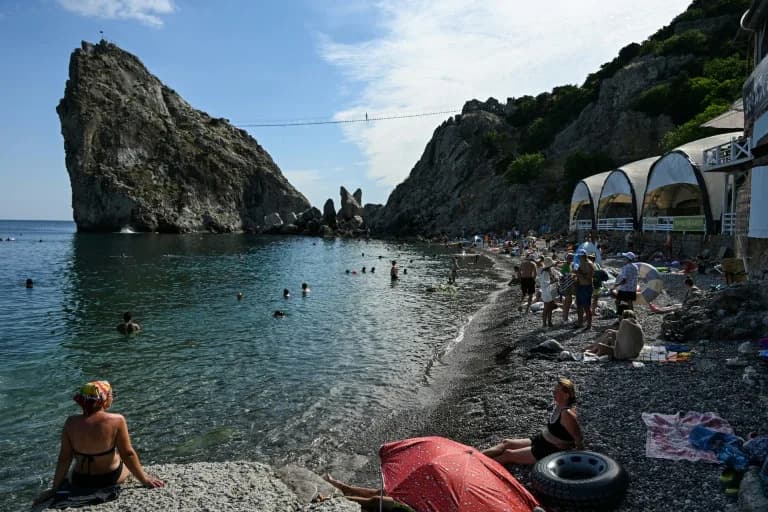
Ukraine has heavily targeted the Black Sea territory (Igor IVANKO)
A loud boom echoed over Sevastopol on the Russian‑annexed Crimean peninsula, leaving residents to wonder whether it was a Russian air‑defence drill or a Ukrainian drone strike.
Many locals say they have grown used to the noise. 'We're already used to it, really ... nothing scares us anymore,' a tourism worker named Georgy told AFP, declining to give his surname. Despite the danger, residents continue daily routines along the waterfront: older women wade in the sea, children splash, and teenagers practice tricks at a skatepark near bomb shelters.
Escalating Attacks on Infrastructure
In recent months Ukraine has intensified strikes on Crimea, focusing on fuel and power infrastructure across the peninsula. Authorities have reported civilian casualties: Crimea's governor Sergei Aksyonov said two people were killed overnight from Tuesday to Wednesday. Crimenergo, the regional electricity distributor, posts scheduled outages each day and power cuts and petrol shortages have become part of life for about 2.4 million residents.
Logistics Strained: Two Routes Under Pressure
Supply lines from Russia are under growing strain. The northern road through Russian‑held southern Ukraine — a route that Ukrainian forces frequently target — has been nicknamed the 'road of death' after repeated attacks on tankers and haulers. The other main artery is the 19‑kilometre Kerch bridge, a heavily symbolic road‑and‑rail link built after the 2014 annexation. Kyiv has targeted the bridge several times and fuel tankers are now banned from using it.
When retail fuel is made available, stations sometimes hide price displays 'so as not to annoy people,' a taxi driver said. A litre of 95‑octane petrol now sells for about 250 rubles (roughly $3), three to four times higher than before the war.
Daily Life: Generators, Shortages and Adaptation
Hotels, resorts and shops that can afford them run on generators. 'Yes, you can hear the generator,' said Oksana, who runs a grocery store in Yalta. 'I have no choice... otherwise the sorbets will melt. This year is just a catastrophe.' Local authorities have declared a state of emergency at times and have restricted petrol sales.
"Crimea is the crown jewel of Russia's territorial conquests since 2014..." — Maria Snegovaya, CSIS.
Analysts say Crimea holds deep symbolic value for Moscow, which portrays the peninsula as historically Russian. Kyiv frames its strikes as part of a campaign to pressure Russia and to exact retribution for attacks on Ukrainian cities; President Volodymyr Zelensky said Kyiv aims to 'create the conditions under which Russia will be forced to choose peace.' The vast majority of countries do not recognise Russia's annexation.
Outlook
There is no public contingency plan should the Kerch bridge be disabled again. Reports indicate some residents have left the peninsula since the start of the war, though official figures are not available. For some younger Crimeans studying in Russia, the prospect of moving abroad — to Europe or Asia — is increasingly appealing.
Reporting by AFP contributed to this article.
Help us improve.