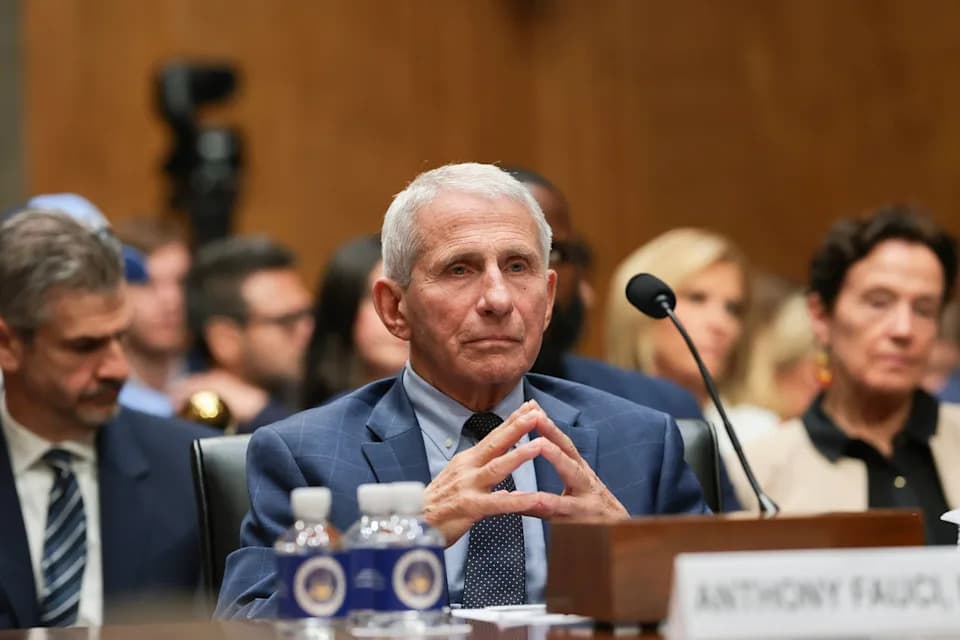
Sen. Rand Paul says the Homeland Security Committee will vote next week on a contempt resolution after Dr. Anthony Fauci invoked the Fifth more than 100 times during a pandemic-related hearing. The dispute is complicated by a preemptive pardon that reportedly covers Fauci's official conduct from 2014 to 2025, which Republicans say undercuts his right against self-incrimination. Democrats and Fauci's legal team argue the pardon does not protect false statements under oath, and the Department of Justice and the courts would ultimately decide whether prosecution is possible.
Republicans Move to Hold Fauci in Contempt After He Invokes the Fifth — Can It Stick?
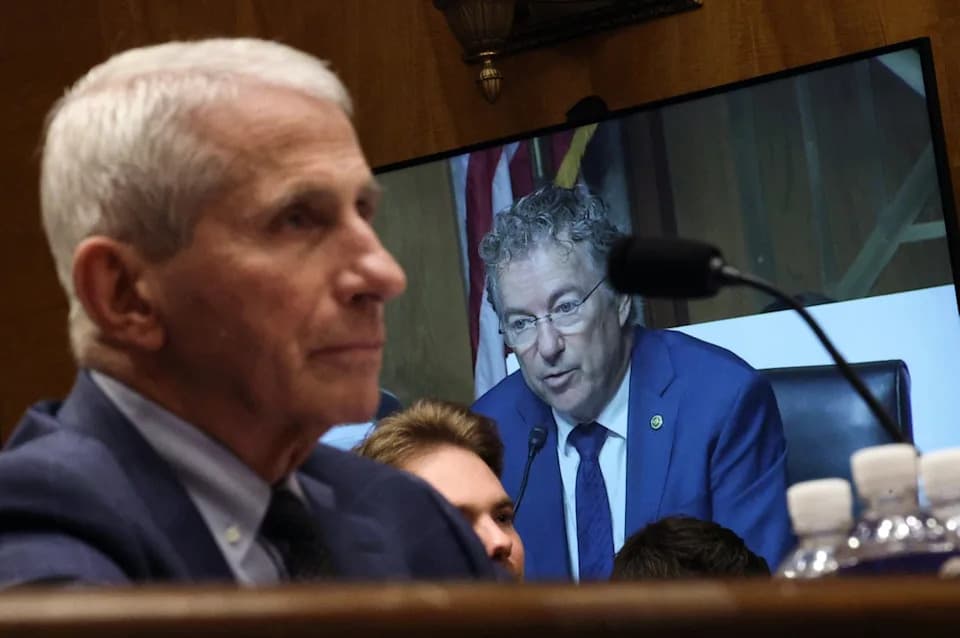
Republican Sen. Rand Paul plans to introduce a resolution to hold Dr. Anthony Fauci in contempt of Congress for invoking his Fifth Amendment right to avoid answering the Senate Homeland Security committee's questions on July 29 (Getty)
Sen. Rand Paul and other Senate Republicans say the Homeland Security Committee will vote next week on a resolution to hold Dr. Anthony Fauci in contempt of Congress after the longtime infectious-disease official invoked his Fifth Amendment right more than 100 times during a hearing about the COVID-19 pandemic.
What Happened
At the hearing, Fauci delivered a brief opening statement criticizing Sen. Paul's repeated attacks and, under the advice of counsel, declined to answer questions by invoking the Fifth Amendment. Republicans on the panel argued that because President Joe Biden issued a preemptive pardon covering Fauci's official conduct from 2014 to 2025, the pardon undercuts any claim of self-incrimination. Sen. Paul said the committee will vote on a contempt resolution next week and suggested there should be "repercussions" for refusing to testify.
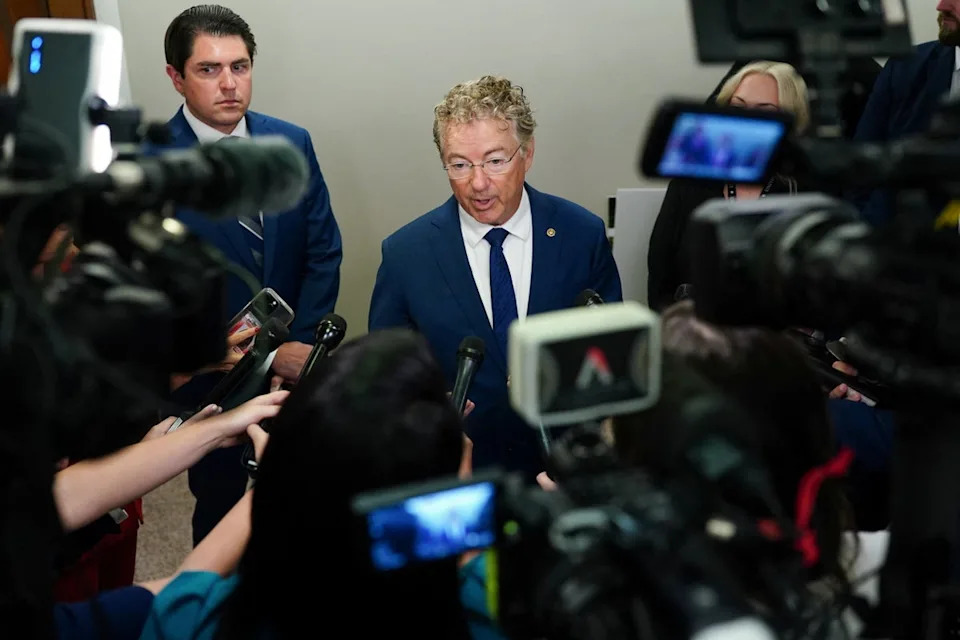
Paul's attempt to hold Fauci in contempt could be complicated by Biden's preemptive pardon that shields Fauci from any federal prosecution for actions between 2014 and 2025 (Reuters)
The Legal Questions
The situation turns on two entwined legal issues: whether a preemptive pardon removes a witness's need to invoke the Fifth Amendment, and whether the pardon shields false statements made under oath. Republicans contend a pardon for the acts under inquiry prevents a valid Fifth Amendment claim and that Fauci should have answered questions even if it meant admitting past wrongdoing. Democrats and Fauci's attorneys counter that a pardon does not protect someone from perjury or false statements under oath, and that Republicans appeared to be trying to lure Fauci into making such statements.
"Can you incriminate yourself if you have a pardon? I think it's going to be a question for the courts," Sen. Rand Paul told reporters after the hearing.
What Would Happen Next
If the committee approves a contempt resolution it would go to the full Senate. For the measure to advance procedurally, Senate rules typically require support beyond a simple majority, and moving the matter forward would almost certainly need some Democratic votes — an outcome considered unlikely. A formal referral would then go to the Department of Justice, which decides whether to bring criminal charges. Conviction for criminal contempt of Congress carries a potential fine of up to $100,000 and a prison term of up to 12 months.
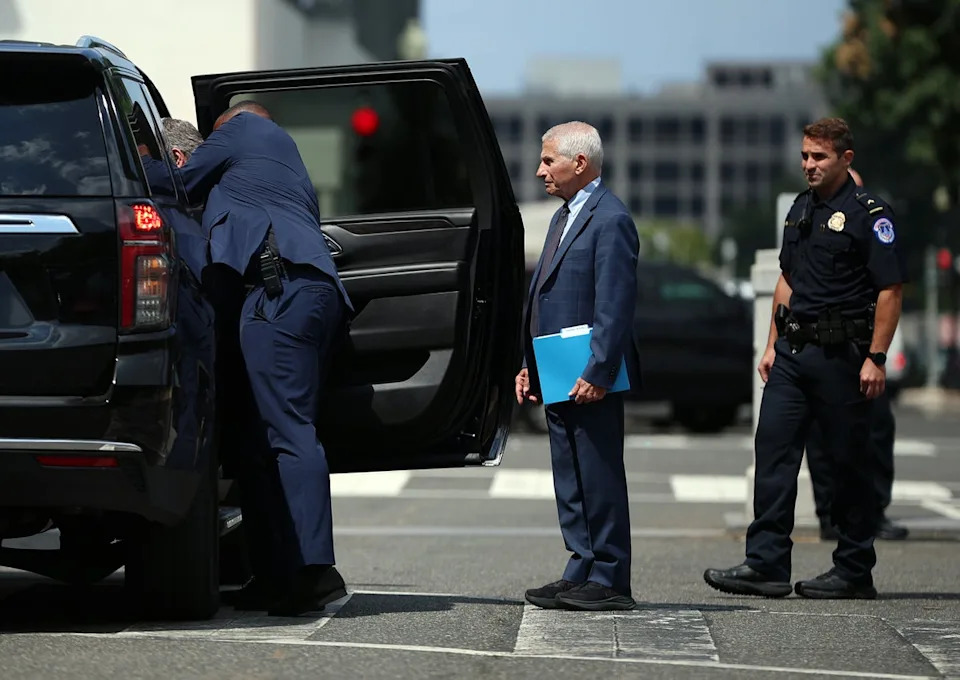
Fauci and Democratic lawmakers believe Paul and Senate Republicans were trying to lure Fauci into inadvertently committing perjury (Getty)
Precedent And Political Context
Republicans have pointed to precedent in which congressional contempt referrals resulted in prosecution — most recently in Jan. 6-related cases where some defendants served jail time after DOJ prosecutions. Democrats pointed to the 2013 Lois Lerner matter, where the DOJ declined to prosecute after concluding Lerner had not waived her Fifth Amendment rights by making a general opening statement. That decision is frequently cited to show the constitutional and prosecutorial limits on contempt referrals.
Key Moments From The Hearing
During the hearing, Fauci criticized Sen. Paul's focus on him as an "unhinged obsession" and said he was invoking the Fifth on counsel's advice. Fauci's attorney, David Schertler, attempted to speak in his defense and was briefly escorted out of the hearing room; Schertler later called the exclusion "outrageous" and described the proceedings as vindictive. Republicans such as Sen. Josh Hawley and Sen. James Lankford pressed Fauci, at times ridiculing the Fifth invocation and invoking the pardon as a reason Fauci had no protection against self-incrimination.
Why It Matters
The clash highlights a rare and unsettled constitutional question about the interplay between pardons and the Fifth Amendment, as well as the political tensions over accountability for pandemic-era decisions. Ultimately, courts and the Department of Justice would play the decisive roles in resolving whether contempt charges could lead to prosecution in this case.
Help us improve.