The Yale-led PNAS study outlines a lower-cost method to reduce PFAS contamination on farmland by raising soil pH with crushed alkaline rock, planting PFAS-accumulating crops such as hemp and perennial grasses, and converting harvested biomass into biochar via pyrolysis. Researchers estimate the approach would cost about $29,000 per hectare over 20 years, versus $800,000–$1.6 million for many conventional cleanups. Key uncertainties remain around PFAS destruction during pyrolysis (some studies suggest ≥1,472°F may be required) and the need for pilot trials and emissions controls. The method could help small and organic farmers preserve soil health and may offer climate co-benefits if scaled up.
Yale Study: Cheaper Path to Clean PFAS-Contaminated Farmland — $29,000/ha vs. $1.6M
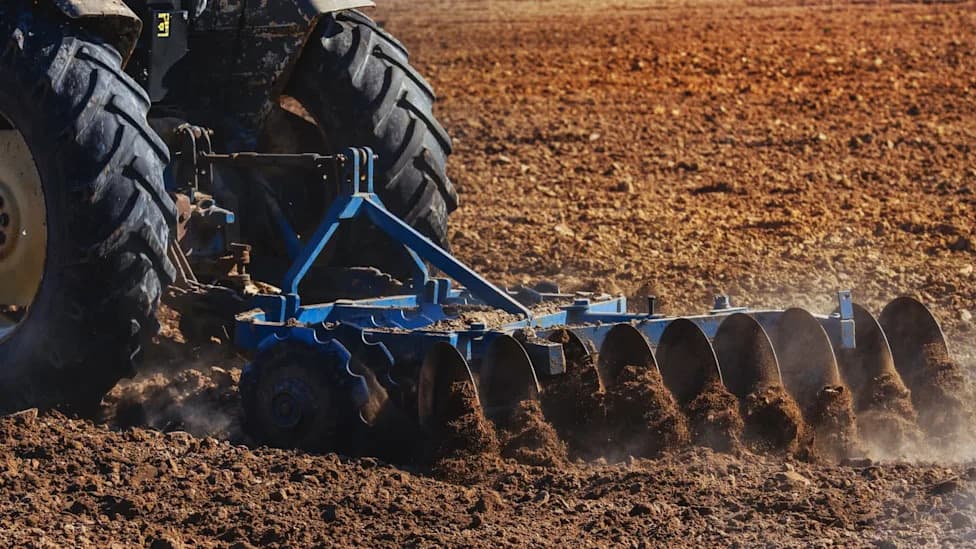
Photo Credit: iStock
A Yale-led team proposes a practical, lower-cost approach to reduce PFAS contamination on agricultural land that could keep fields productive while cutting remediation bills dramatically.
Why This Matters
Biosolids — the nutrient-rich residue from municipal sewage treatment — are applied to U.S. farmland by the millions of dry tons each year as a fertilizer alternative. But many biosolids contain PFAS, persistent “forever chemicals” whose strong carbon–fluorine bonds make them extremely resistant to breakdown. The results: PFAS can accumulate in soils, move into waterways, and sometimes enter crops.
Scale Of The Problem
According to a 2001 U.S. EPA National Sewage Sludge Survey cited by ScienceAlert, the biosolids produced annually in the United States were estimated to contain roughly 6,061 to 7,606 pounds of PFAS, and about half of that burden may be deposited onto agricultural soils. PFAS exposure has been associated with health risks including certain cancers, cardiovascular effects, neurological concerns, and fertility issues, although research is ongoing.
The Proposed Remediation Approach
The PNAS study outlines a multi-step, field-based protocol that the researchers estimate would cost about $29,000 per hectare when applied repeatedly over up to 20 years — far less than many conventional options, which are estimated at roughly $800,000 to $1.6 million per hectare.
Step 1: Raise Soil pH
Crushed alkaline rock (for example, basalt or limestone) is spread on affected fields to increase soil pH. Higher pH can change the mobility of certain PFAS compounds in soil and make them more available for plant uptake.
Step 2: Phytoremediation With Select Crops
Farmers plant PFAS-accumulating species such as hemp and selected perennial grasses. These plants preferentially take up compounds like PFOS from the soil; harvested biomass thus concentrates a portion of the soil PFAS load.
Step 3: Convert Biomass To Biochar
Harvested biomass is processed via pyrolysis (high heat in the absence of oxygen) to make biochar. The team proposes returning the biochar to the field: it can help immobilize residual PFAS and reduce their transfer into forage and food chains while improving soil structure.
"This issue — the contamination of agricultural land with PFAS — disproportionately hurts small farmers and organic farmers," said Yale environmental scientist Jake Thompson. "This is a real pathway to actually give farmers in this situation some agency over their land."
Uncertainties And Cautions
Important scientific and engineering questions remain. Several studies indicate that breaking PFAS during thermal treatment may require very high temperatures; one study suggests temperatures of at least 1,472°F (about 800°C) may be necessary to substantially reduce PFAS concentrations during pyrolysis. That raises concerns about energy use, emissions control, and whether pyrolysis systems can reliably destroy PFAS without producing harmful byproducts. Field trials, regulatory review, and careful emissions management will be essential before wide deployment.
Benefits And Next Steps
Aside from lower direct costs and less soil disturbance than excavation-and-incineration approaches, the method could confer co-benefits: the researchers estimate nationwide adoption might sequester roughly 11.6 million tons of CO2 annually. The approach also aims to help small and organic farmers retain productive soils rather than abandon fields to prohibitively expensive cleanups. The authors call for further research, pilot projects, and regulatory guidance to validate effectiveness and ensure safety.
Bottom line: The Yale-led protocol is a promising, lower-cost strategy for managing PFAS on farmland, but it requires more testing and safeguards—especially around thermal treatment—to confirm it can be a safe, scalable alternative to costly conventional remediation.
Help us improve.