Sheikh Hasina, 78, says she will return to Bangladesh by December despite facing a death sentence and fearing arrest or death. She fled to India after an August 2024 student-led uprising ended her 15-year rule; a Dhaka court convicted her of crimes against humanity in November. Bangladesh has requested her extradition from India, which says the request is under examination. Hasina rejects long-standing human-rights accusations and says she will return of her own accord to serve her people.
Hasina Vows to Return to Bangladesh by December Despite Death Sentence and Extradition Risk
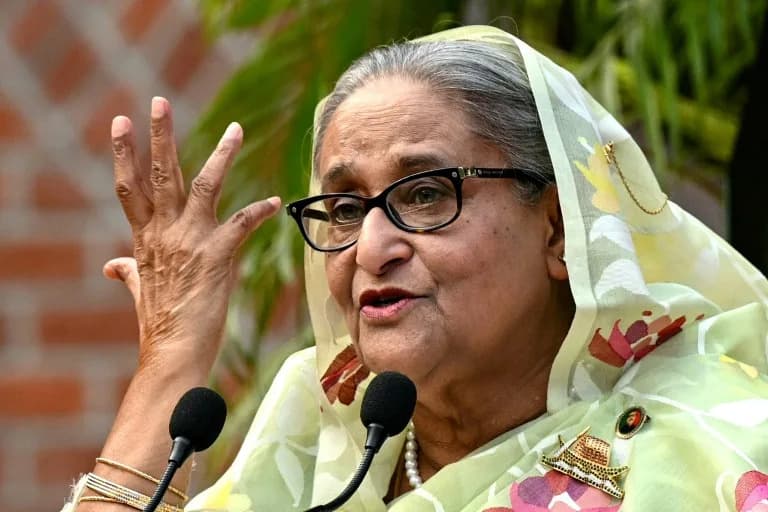
(FILES) Bangladesh's then Prime Minister Sheikh Hasina gestures while speaking to the media, a day after she won the 12th parliamentary elections, in Dhaka on January 8, 2024. (INDRANIL MUKHERJEE)
Sheikh Hasina, 78, the ousted former prime minister of Bangladesh, has told AFP she intends to return to Bangladesh by December despite fearing arrest, imprisonment or even death.
Hasina fled to India by helicopter in August 2024 after a nationwide student-led uprising toppled her government and ended her 15-year rule. She has been staying at a secret location in India and told AFP in an emailed response that she is aware of the risks but feels compelled to go back because her supporters are calling her home.
'I may be killed. I may be arrested. I may be sent to prison,' Hasina wrote. 'I am fully aware of my fate. Still, I want to go back because my people are calling me.'
Background and Legal Case
In November, a Dhaka court convicted Hasina of crimes against humanity and sentenced her to death by hanging — a verdict she described as 'political vengeance dressed up as law.' The United Nations says as many as 1,400 people may have been killed in the crackdowns that followed the unrest as her government sought to hold on to power.
Extradition and India Relations
Dhaka has formally requested Hasina's extradition from New Delhi. Indian officials say the request is 'under examination.' Hasina told AFP that Indian authorities had not discussed extradition with her personally and that her decision to return was hers alone. Relations between India and Bangladesh, which were strained under the interim administration that followed her fall, have reportedly stabilised since Tarique Rahman became prime minister in February.
Allegations and Hasina's Response
Human-rights groups have long accused Hasina's government of serious abuses, including the killing of political rivals, suppressing opposition, manipulating courts and overseeing unfair elections. Hasina rejects these accusations as 'politically constructed campaigns,' saying investigations were opened when allegations surfaced and those responsible were brought to justice.
Regarding the student protests that precipitated her ouster, Hasina denied authorising excessive force. She characterised the unrest as a planned operation driven by hidden instructions, organised violence and propaganda aimed at toppling the government. She expressed sympathy for families who lost loved ones but stopped short of offering an apology.
What Comes Next
Asked whether she would resume active politics on her return — with her Awami League party effectively banned in Bangladesh — Hasina declined to give a direct answer, saying 'power is not my destination. Service to the people is.' The coming weeks are likely to focus on whether India will process the extradition request and how Bangladeshi authorities will respond if Hasina attempts to return.
Help us improve.