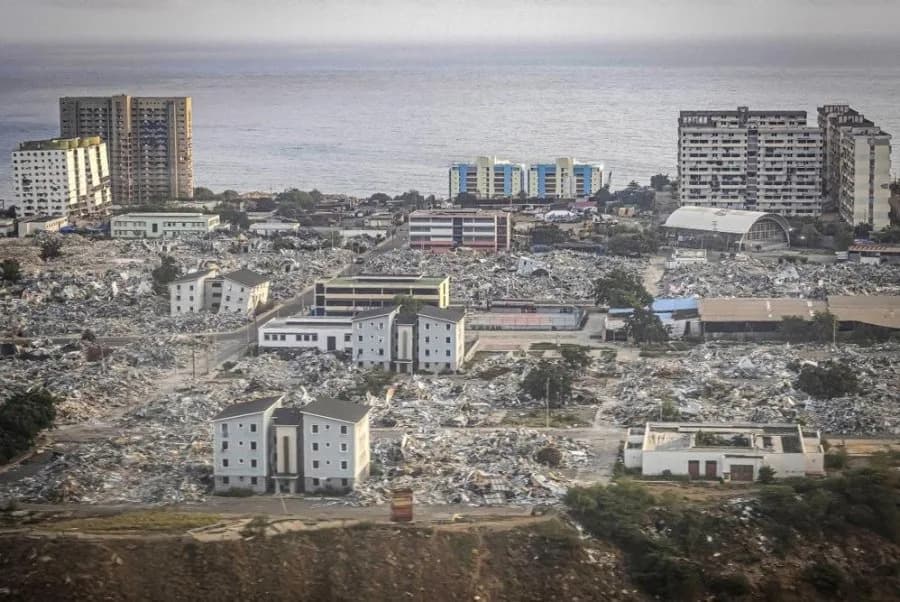
The late‑June twin earthquakes in Venezuela killed thousands and destroyed tens of thousands of homes, with La Guaira among the worst‑affected regions. Volunteers and residents accuse Delcy Rodríguez’s interim government of a slow, uneven response, intensifying public anger and political tensions. U.S. influence over oil revenues and political decisions since January remains a contentious factor, while many Venezuelans demand accountability, reconstruction and a credible path to democratic transition.
Venezuela’s Interim Government Under Fire After Deadly Twin Earthquakes
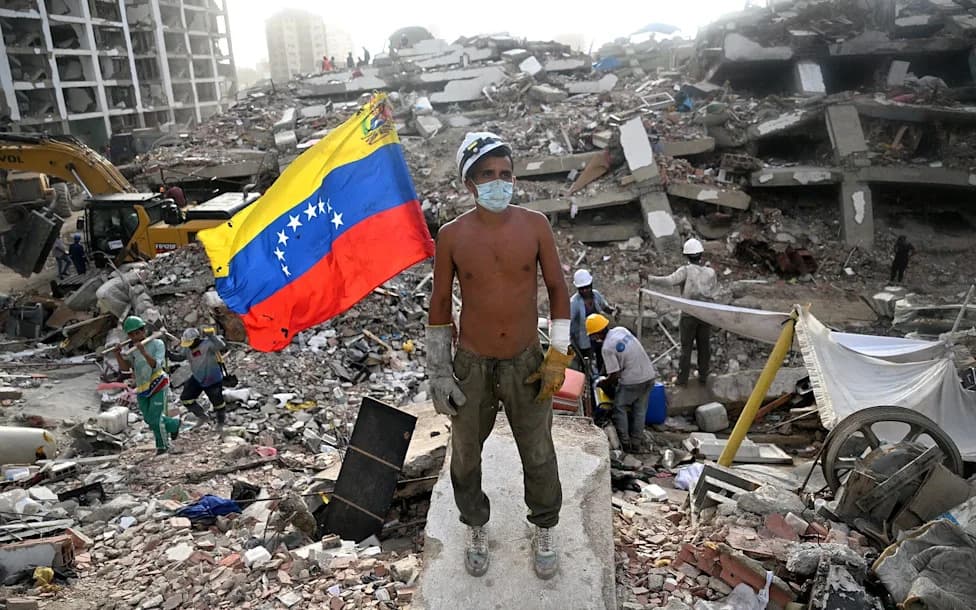
A volunteer rescuer next to a Venezuelan flag on debris from a collapsed building in Caraballeda, La Guaira state - Getty
Cristian, 22, is convinced his mother lies buried beneath the ruins of the 12‑storey block that collapsed during twin earthquakes that struck Venezuela in late June. Using his hands, he demonstrates how the building first tilted, then folded inward "like a flower closing." He had been less than an hour’s drive away in Caracas when the tremors hit; by the time he reached the site in the early morning, both the building and his mother were gone. With no rescue teams in sight, he began digging himself.
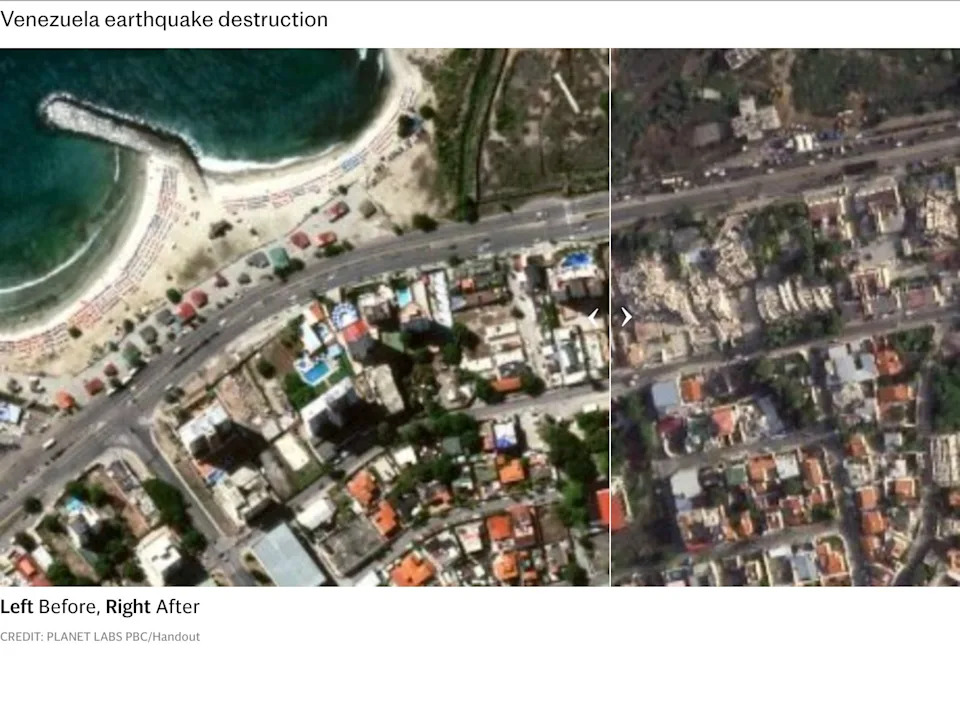
Venezuela earthquake destruction
Scale of the Disaster
Four weeks after the deadliest quake to hit Venezuela in more than a century, the humanitarian and political consequences are still unfolding. Official tallies put the death toll at more than 5,500 with roughly 16,700 injured, figures many analysts consider conservative. NASA satellite imagery suggests about 58,000 buildings were damaged or destroyed, while a World Bank assessment estimates direct damage to physical assets at approximately $19.6 billion — the most costly disaster for Venezuela since the 1812 Caracas earthquake.
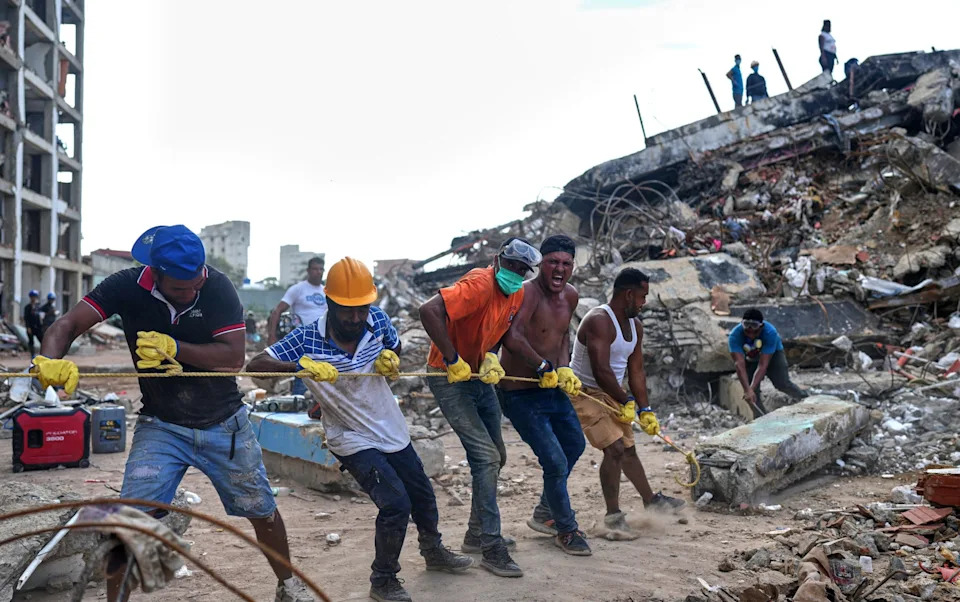
Volunteers pull a rope to remove debris from a collapsed building following the earthquakes in La Guaira - AP
La Guaira: A Region Devastated
The coastal state of La Guaira — dense with social housing and scarred by catastrophic mudslides in 1999 — was the hardest hit. Residents describe parts of the coastline as resembling a "war zone": clouds of pulverised concrete dust hang in the air, flies swarm around wreckage, and piles of twisted rebar, personal effects and human remains punctuate the landscape. Scores of volunteers, often armed with little more than shovels and gloves, are combing the rubble; for many, finding a body is heartbreakingly considered progress.
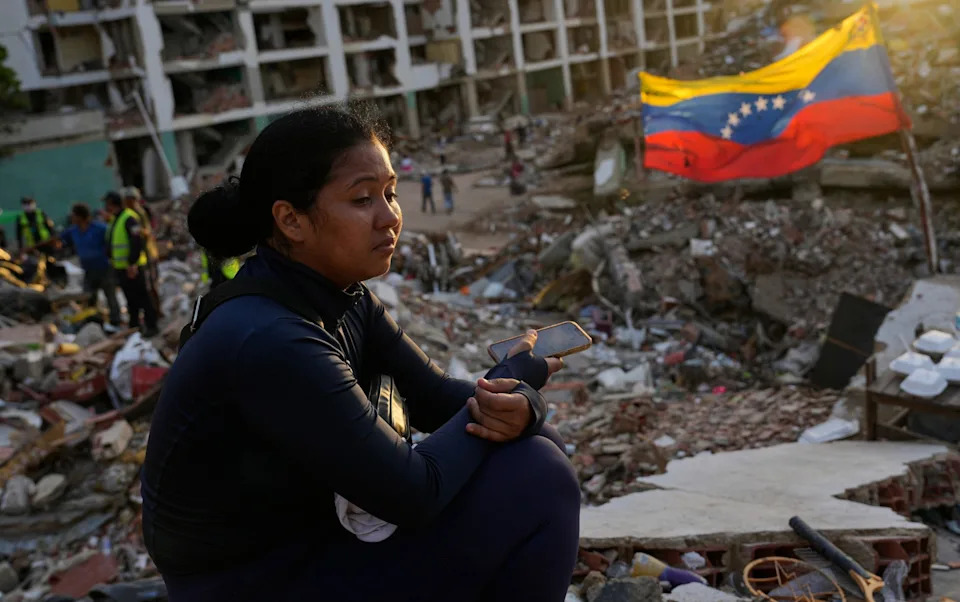
Estefany Landaez sits on the rubble of a building in La Guaira, clinging on to hope of finding the two children she has lost - AP
"Even though they're no longer with us, they deserve to come out of there," said 24‑year‑old Lorena Laya, who pulled her stepmother and younger sister from the debris but continues to search for her father and 15‑year‑old brother.
Response and Public Anger
The quakes have become a test for Delcy Rodríguez's interim government. Its response has been twofold: on one hand, it opened the country to international aid groups, US personnel and foreign journalists — a notable break from past isolation — and publicly acknowledged foreign rescue efforts. On the other hand, officials at times reacted defensively, accusing critics and journalists of "politicising" the tragedy. Interior Minister Diosdado Cabello publicly denounced critical reporters as "paid propagandists," deepening resentment among survivors and volunteers who say official help arrived too slowly and was mismanaged.
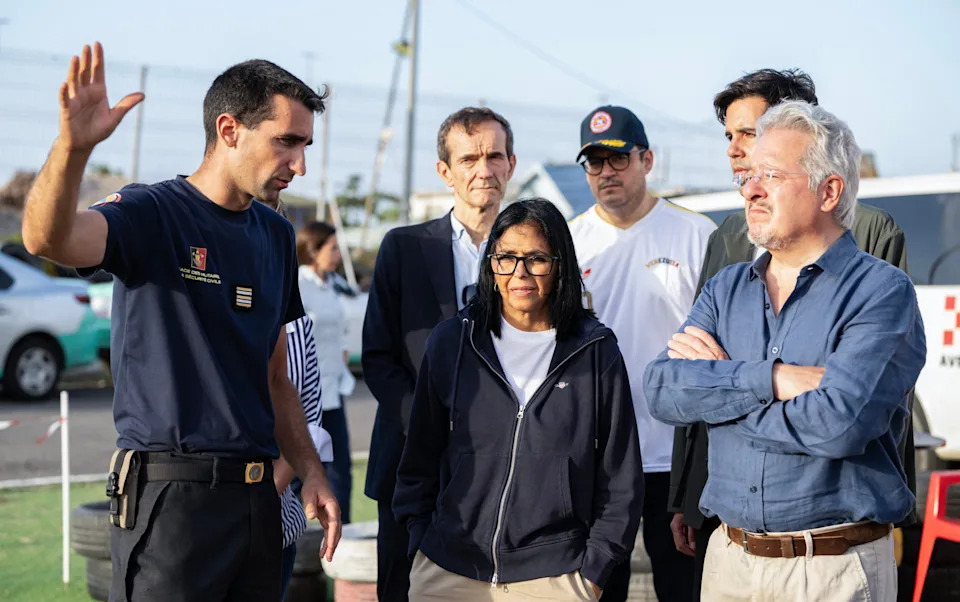
Venezuela's interim president Delcy Rodriguez during a visit to La Guaira, as hopes of finding trapped earthquake survivors faded - Getty
Residents have heckled officials during site visits and videos circulated online show crowds shouting "Get out!" at Ms Rodríguez as anger boiled over. One National Guard member risked his job to volunteer in the searches, saying: "If each security officer in this area spent two hours helping, we wouldn't be in this situation."
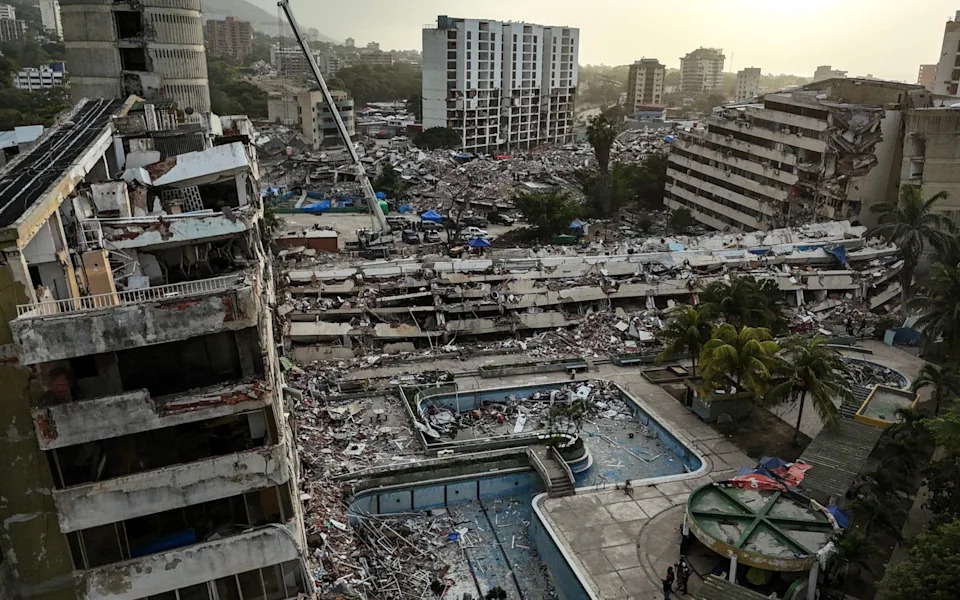
An aerial view of a residential building in Caraballeda that was destroyed in the earthquakes in July 24 - AFP
Politics, Power and External Influence
The disaster has also amplified political tensions tied to Venezuela's transition. Since the January operation that removed Nicolás Maduro from power, the United States has exercised a deep — and in many ways opaque — influence over the country’s finances and political decisions. Reports indicate roughly $13 billion in oil revenues flowed through the US Treasury before allocation to the Venezuelan government. Coverage in international outlets has described senior US officials as heavily involved in appointments, financial controls and other aspects of governance.
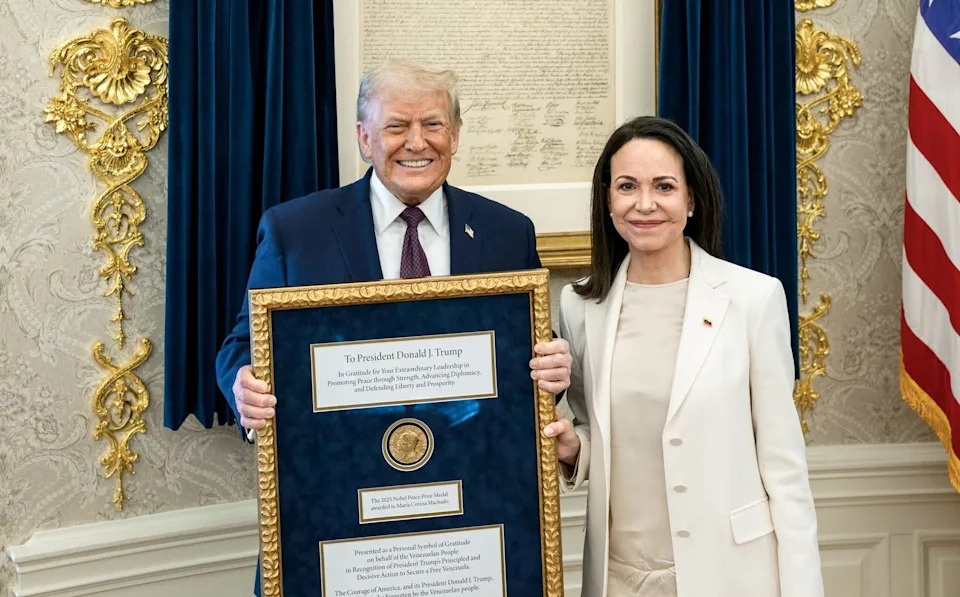
Maria Corina Machado, the leader of the opposition, remains the most popular politician in Venzuela - Reuters
Many Venezuelans say they would accept stronger US involvement if it resulted in stability and visible improvements to daily life. Yet others fear that political control without democratic reform will simply replace one set of elites with another. Polling cited in June showed opposition leader María Corina Machado remains the most popular politician in the country, but she has been sidelined from planned August talks — a move that has prompted criticism and sparked debate about the legitimacy of the transition process.
Human Cost and Long-Term Consequences
Beyond the immediate search-and-rescue phase, the crisis raises urgent questions about reconstruction, accountability and democratic transition. Residents say everyday hardships — soaring inflation, shortages and corruption — continue despite political change. For many, the earthquake has crystallised broader frustrations: the disaster is not only a human tragedy but also a focal point for anger at perceived governmental incompetence and opaque external influence.
"This is a before and after," said Trino Márquez, a sociology professor at the Central University of Venezuela. "From now on, it will be much harder to contain public discontent. People have lost their fear." As bodies decompose in the heat and searches yield fewer intact remains, survivors like Cristian struggle with grief and the prospect of long-term trauma. "At some point, after all this, I'll have to see a psychologist or something," he said.
What happens next — how relief is delivered, how reconstruction is managed and whether political talks produce a credible path to elections — will shape Venezuela’s recovery and the country's political future for years to come.
Help us improve.