Summary: Video and eyewitness accounts describe settlers repeatedly attacking the Abu Alia home in al-Mughayyir while soldiers stood nearby. Medics treated multiple injuries and a 17-year-old, Fadi Hamdallah al-Nassan, later died from a gunshot wound sustained during the confrontation. UN and civil society groups report a sharp rise in settler-linked injuries and the rapid growth of illegal outposts, while Israeli policies and funding have enabled expanded settlement activity across the West Bank.
Weekly Siege: Settler Attacks and Military Presence in al-Mughayyir
[BBC]
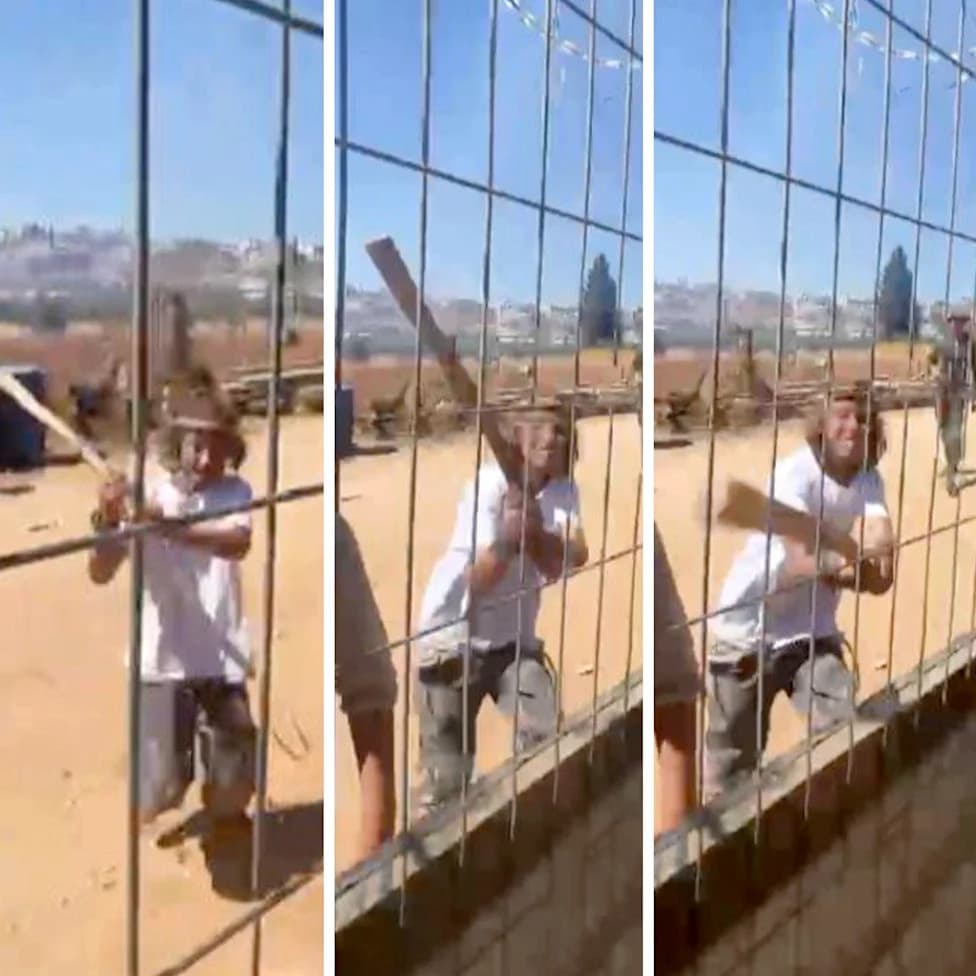
The bolted gate of the Abu Alia family compound in al-Mughayyir rang with each blow as a group of Israeli settlers — many appearing to be teenagers — attacked it with clubs. The insults hurled through the bars were nearly identical in Hebrew and Arabic, delivered with contempt on one side and fear on the other.
The Confrontation
When reporters arrived, the confrontation was already under way. Israeli army and border police units were moving through the village while settlers gathered at the gate. Young Palestinians rolled rocks into the road and gunshots cracked in the streets. From a nearby hilltop, the mosque called for people to help the family trapped inside.
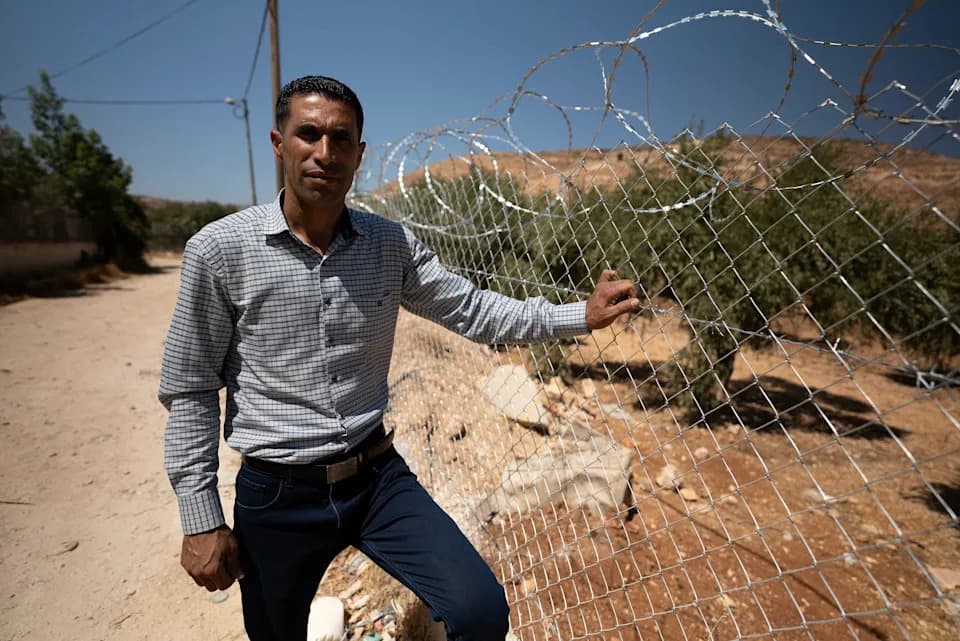
Rafeeq Abu Alia: "Early in the morning they came… Four settlers arrived armed. Then more settlers came and laid siege to the house, insulting and provoking us. They came with the army. The soldiers entered, followed by the settlers. The army beat people inside the house."
Footage, Soldiers and Questions
Video recorded by the family shows soldiers approaching the teenagers and making light gestures to steer them away. The settlers returned repeatedly to batter the gate; soldiers did not appear to detain attackers or confiscate their clubs. Other footage shows young settlers tearing fencing while soldiers stand nearby. A power tool seen in one frame appeared later in different hands.
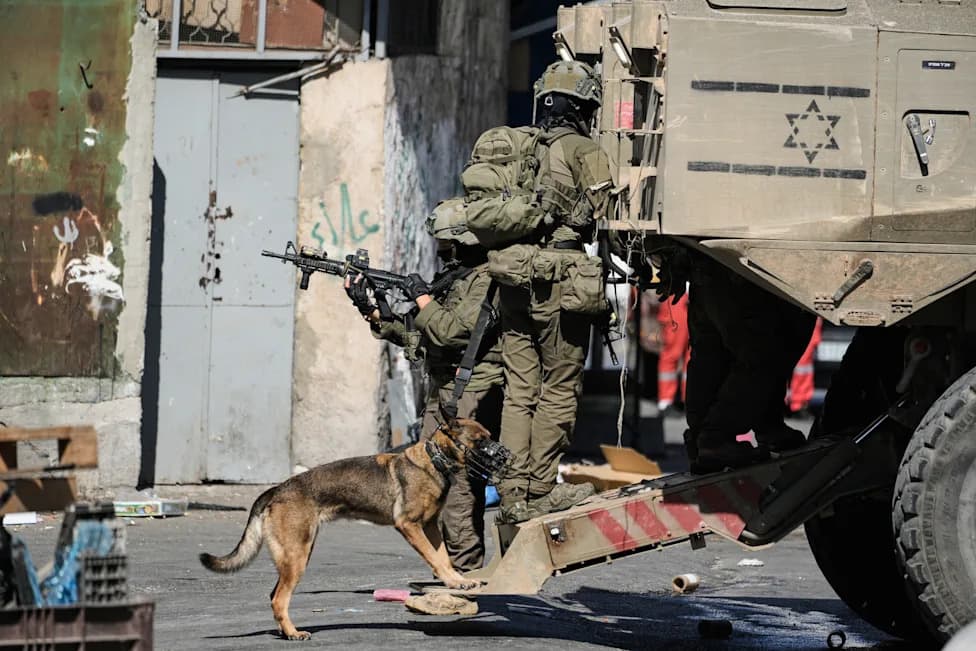
The Israel Defence Forces (IDF) said its troops responded to reports of a confrontation, entered a house searching for stone-throwers and detained one person. The IDF also said troops fired to "remove the threat" and that a hit was identified. In response to the footage and allegations of property damage, the IDF said it was investigating.
Medical Access and Restrictions
Medics reported treating several Palestinians for tear-gas exposure and beating injuries; one person was hospitalised with a gunshot wound. Palestinian ambulance crews and journalists say access is often restricted: one Palestinian Red Crescent worker said soldiers took his ambulance keys and ordered him to switch off the engine while he was responding to a call.
Broader Context: Settlements, Outposts and Policy
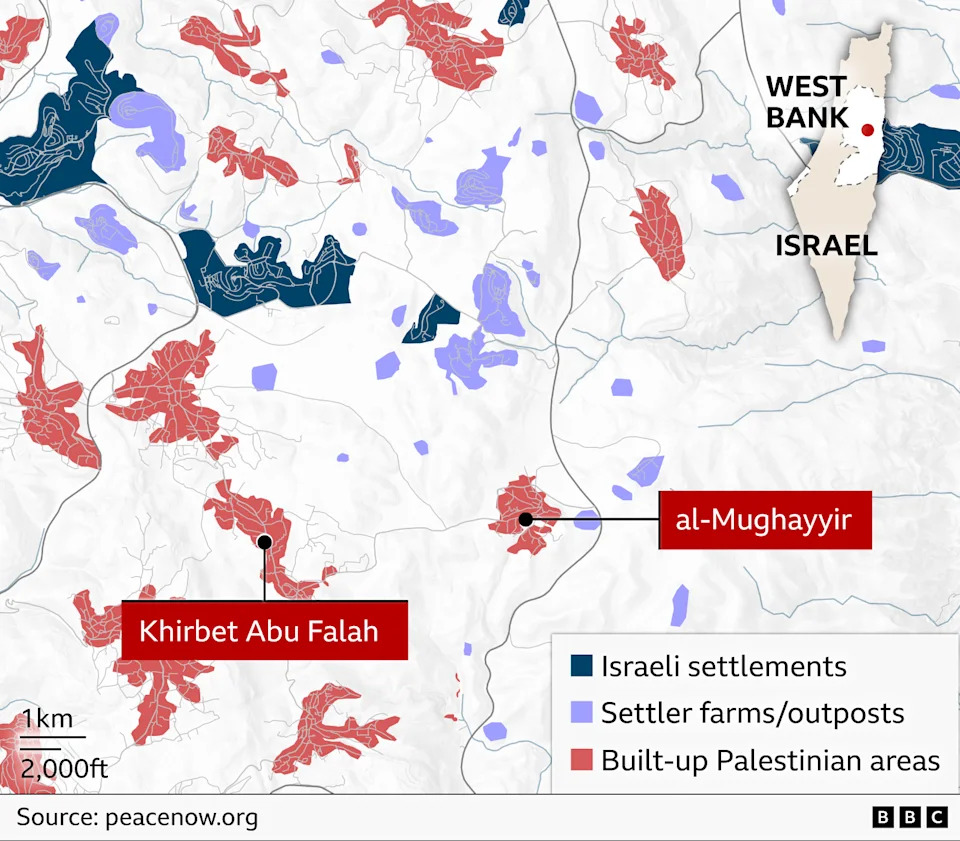
Since 1967, Israel has established more than 100 official settlements in the West Bank and hundreds of unauthorised outposts. International law considers settlements on occupied land illegal. Under the current Israeli government, monitoring group Peace Now reports at least 231 new outposts since December 2022. Some outposts now effectively control sizeable areas of the West Bank and have contributed to the displacement of Palestinian communities.
Israeli authorities have allocated significant funding to settlement expansion — reported at 19 billion shekels so far — and have pursued policies that critics say enable outposts through infrastructure, budgets for "security needs," and legalisation of previously unauthorised sites.
Rules Of Engagement And Security
Rules of engagement for Israeli forces in the West Bank were broadened after the 7 October 2023 Hamas-led attacks, allowing live fire in some circumstances against stone-throwers. Thousands of settlers were temporarily recruited into local security squads after October 7; the army says most of those squads have since been disbanded amid reports of abuse.
Human Cost
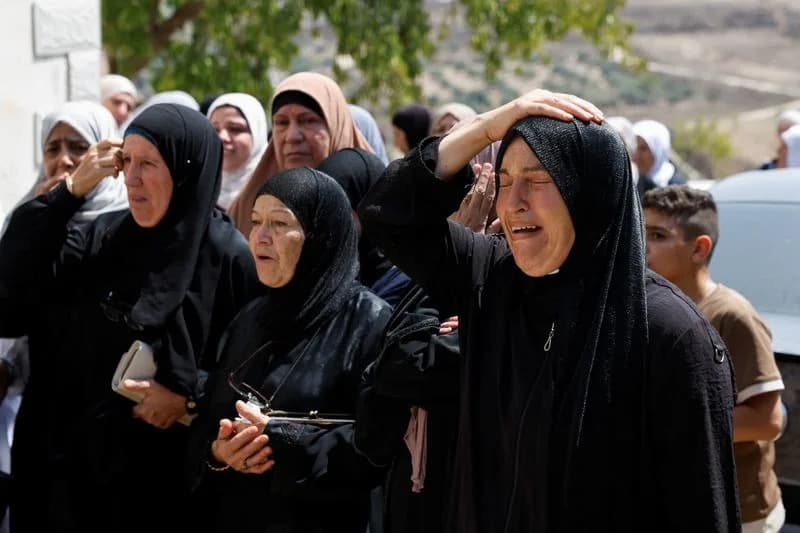
One week after the Abu Alia attack, 17-year-old Fadi Hamdallah al-Nassan — a youth national football player — died from a gunshot wound sustained during the confrontation. The UN reported 45 Palestinians injured by settlers across the West Bank in the week the reporting team visited, including 12 children. Local residents say attacks that once targeted farmland have moved into homes and villages.
Voices From The Ground
Abu Waheed (village council member): "They come with the army, and with the cars of the army. The army is the settlers, but their clothes are green."
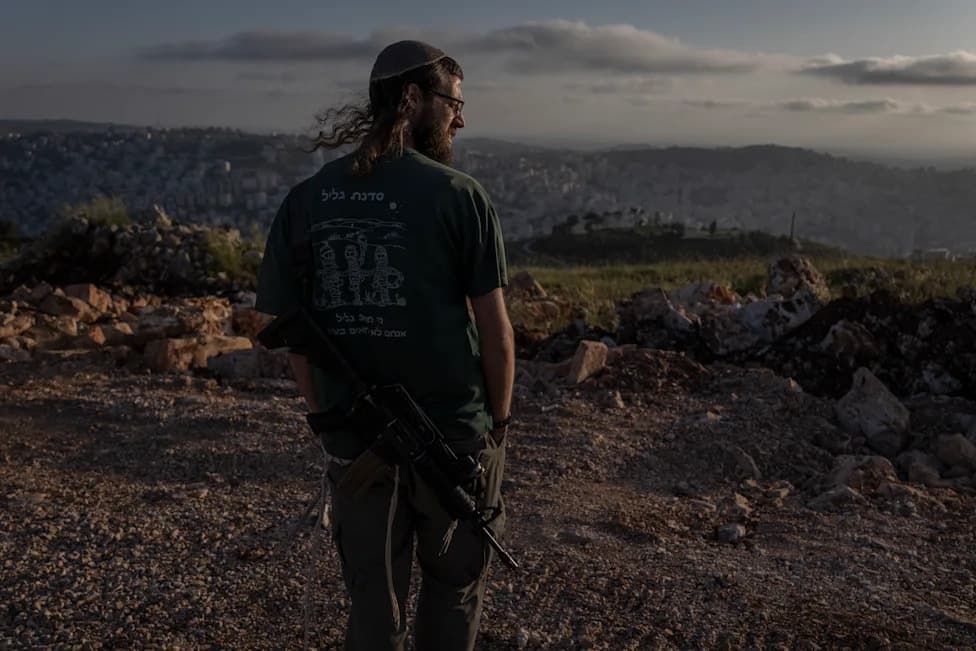
Some settlers and residents of outposts describe their actions as reclaiming or securing land. Other Israeli soldiers interviewed anonymously have said extremist settlers view them as enemies if they do not back violent actions. Observers warn that logistical support, ideology and limited accountability have amplified attacks.
Conclusion
The events in al-Mughayyir illustrate a local pattern of repeated settler violence, contested military responses, restricted humanitarian access and accelerating settlement activity. Journalists, medics and residents describe a landscape in which control, access and safety are changing rapidly — with serious consequences for Palestinian communities in the West Bank.
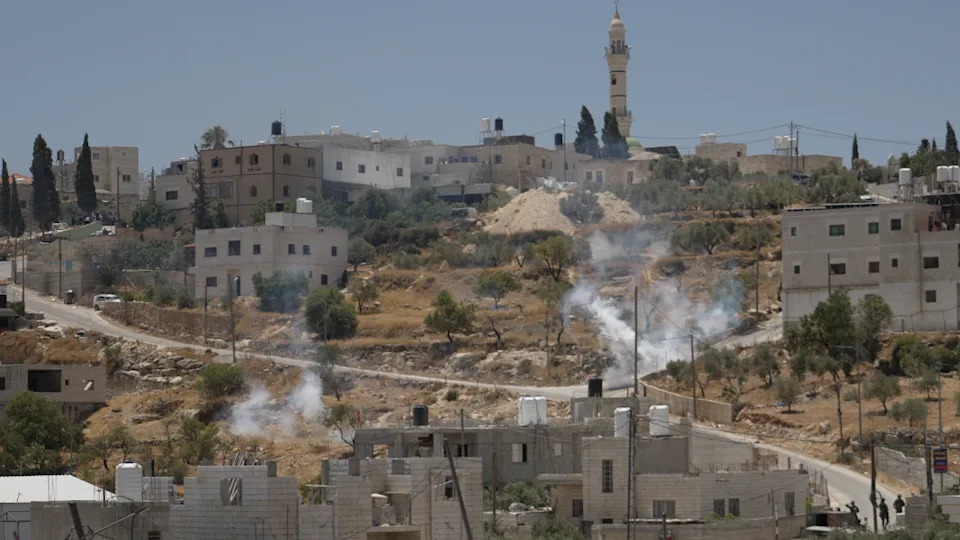
Clouds of tear gas fired by Israeli troops rise from the streets of al-Mughayyir [BBC]
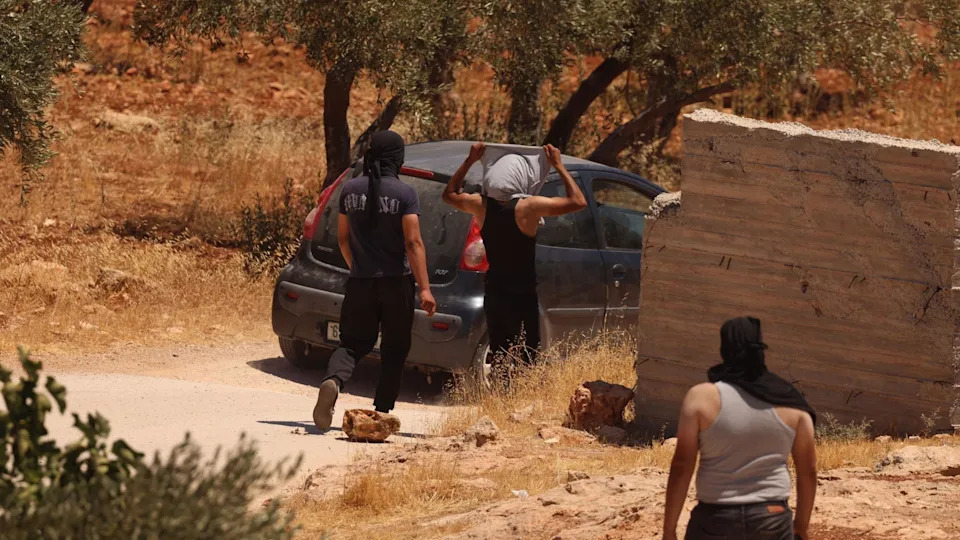
Palestinian residents of al-Mughayyir confront Israeli settlers and troops [EPA]
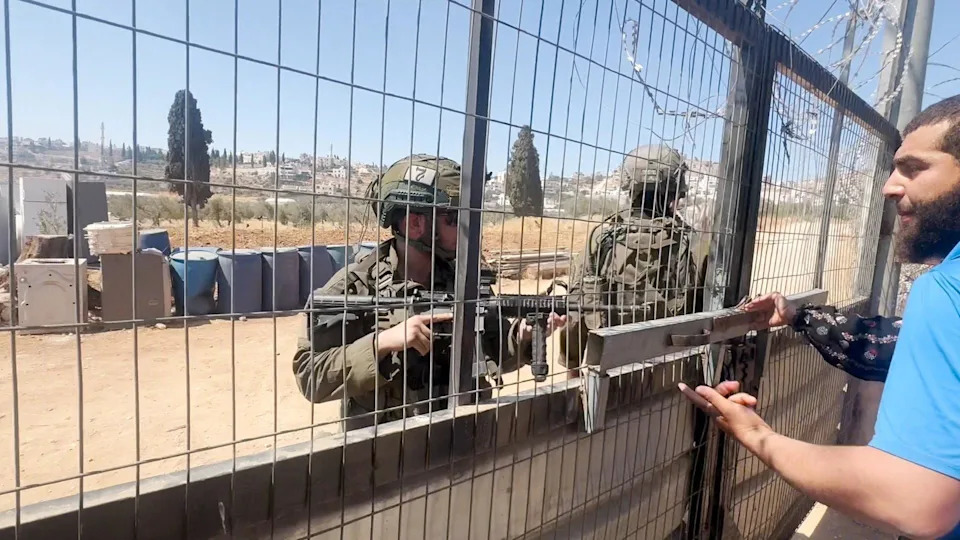
Footage appeared to show Israeli soldiers making no attempt detain the settlers who attacked the Abu Alia compound or confiscate their clubs [Reuters]
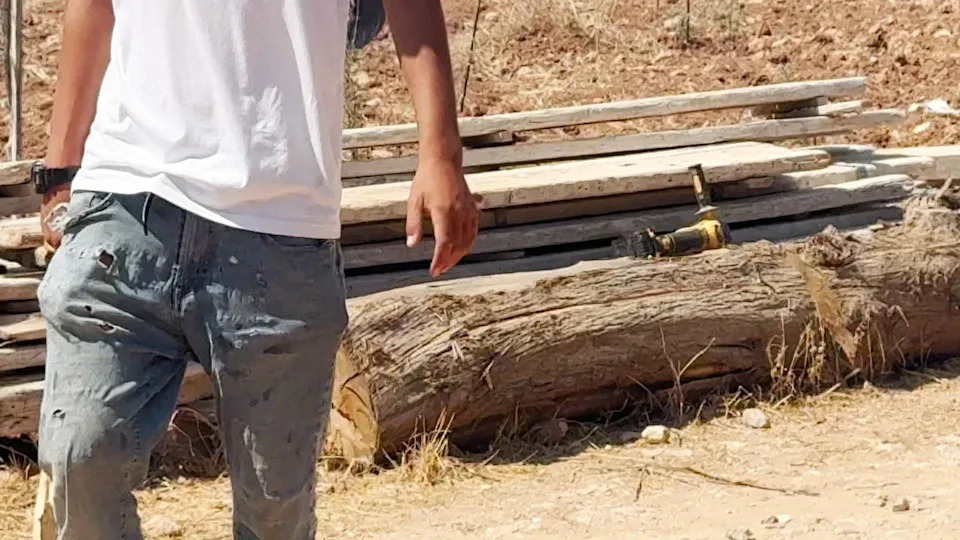
A power tool is visible in footage showing the attack on the Abu Alia compound [Reuters]
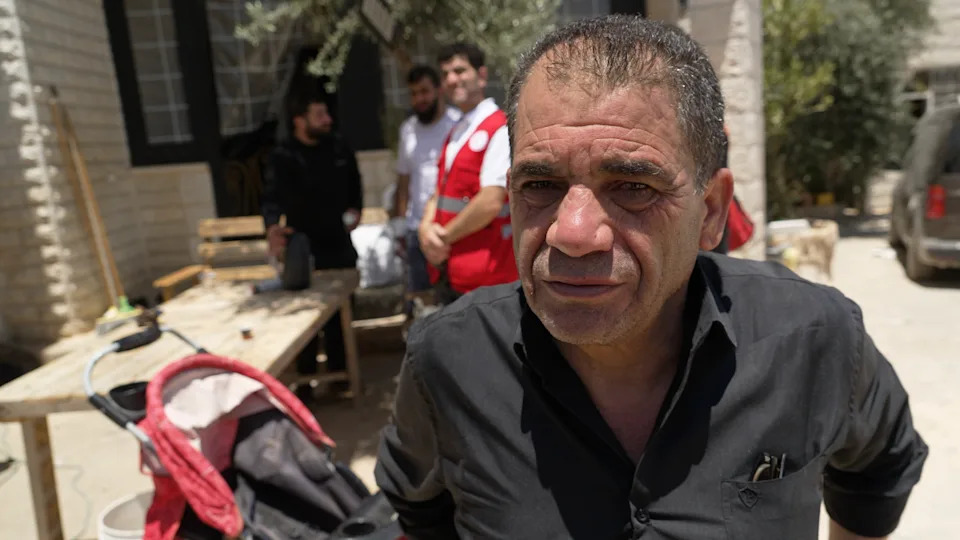
Rafeeq Abu Alia said the attack on his family's home followed a familiar pattern [BBC]
[BBC]
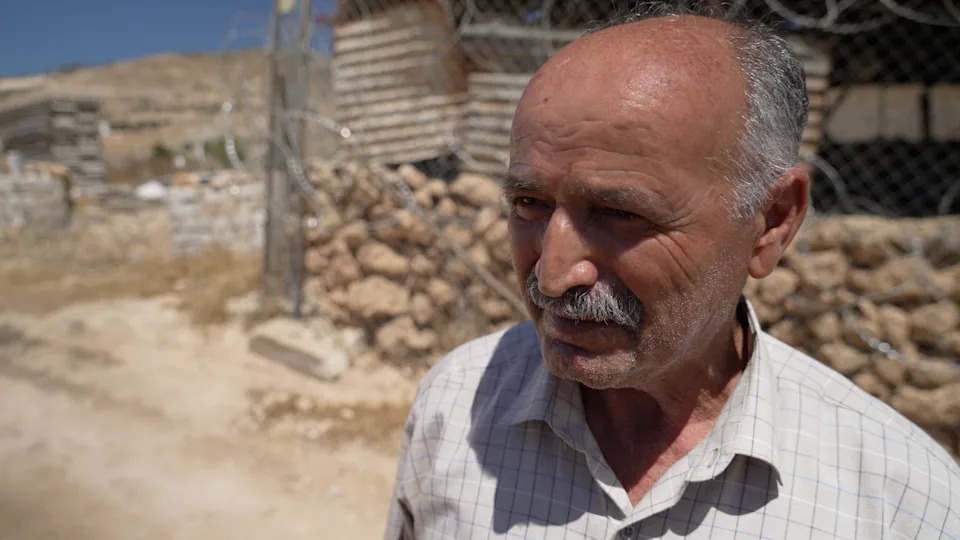
'The army is the settlers, but their clothes are green,' says village councillor Abu Waheed [BBC]
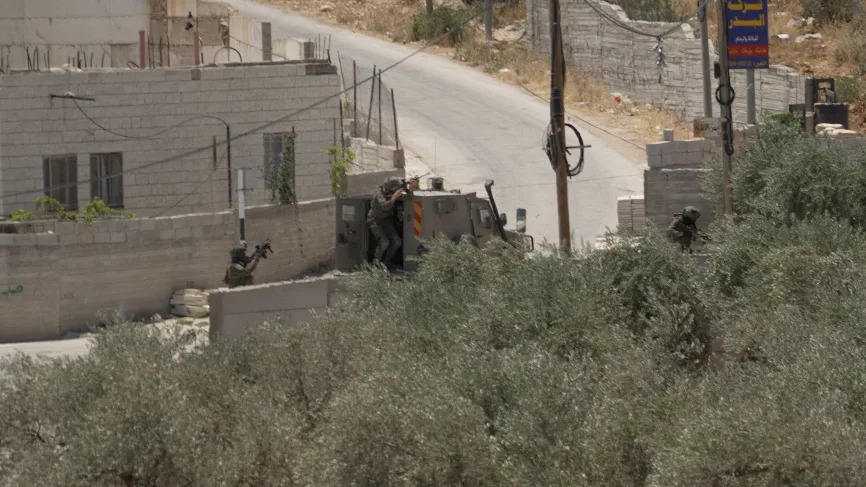
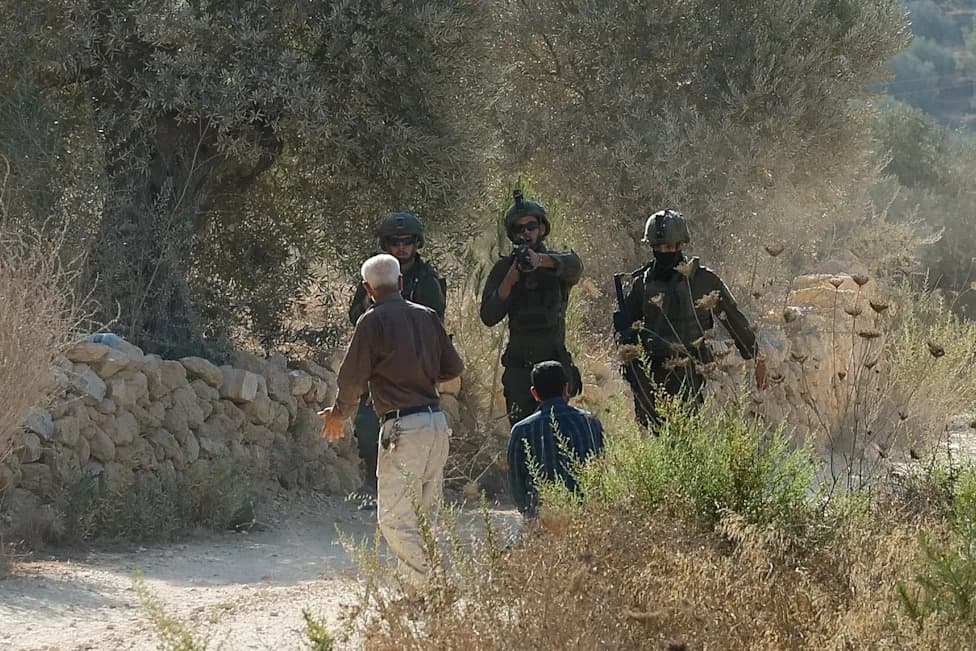
The Israeli military said its troops shot a Palestinian who used a sling to hurl stones at them [BBC]
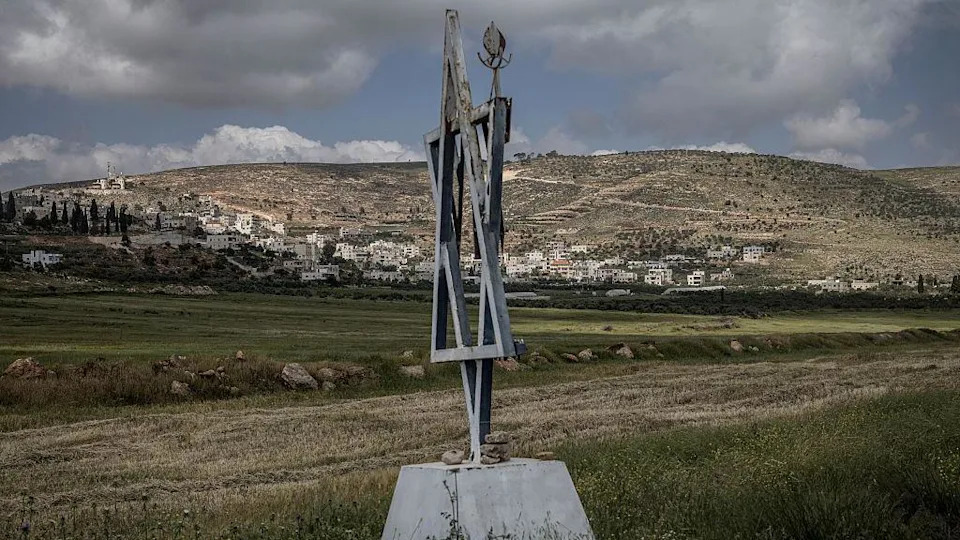
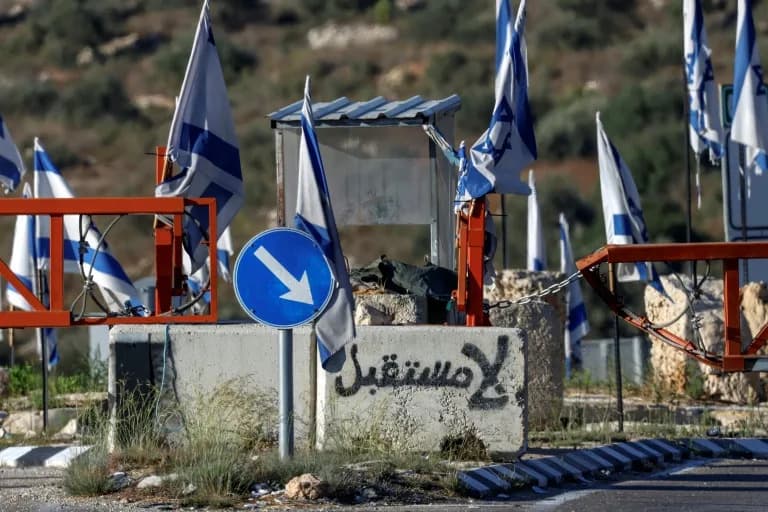
A metal Star of David outside the Malachei HaShalom settler outpost near al-Mughayyir [AFP]
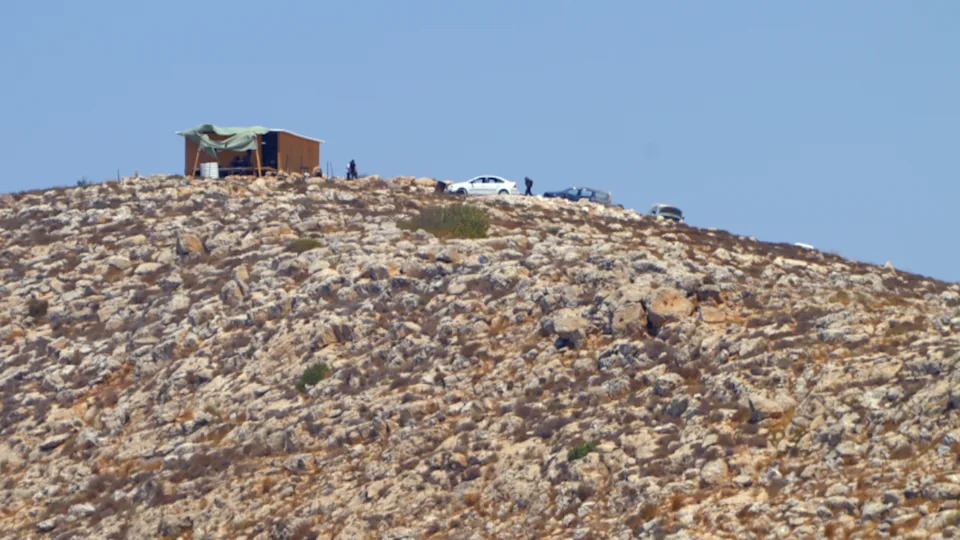
At least 231 settler outposts have been established since Israel's government took office in December 2022 [BBC]
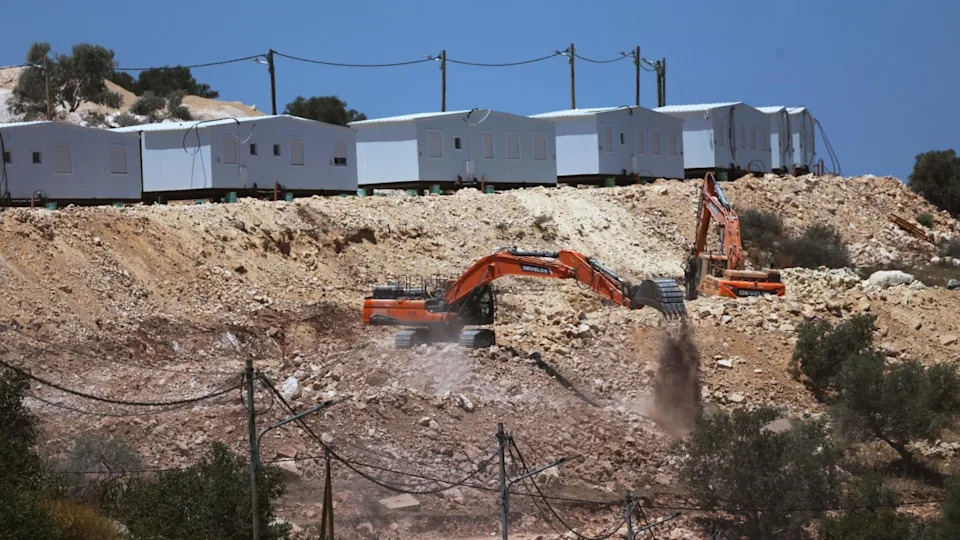
Mevo Dotan is one of the new settlements established near the Palestinian city of Jenin [EPA]
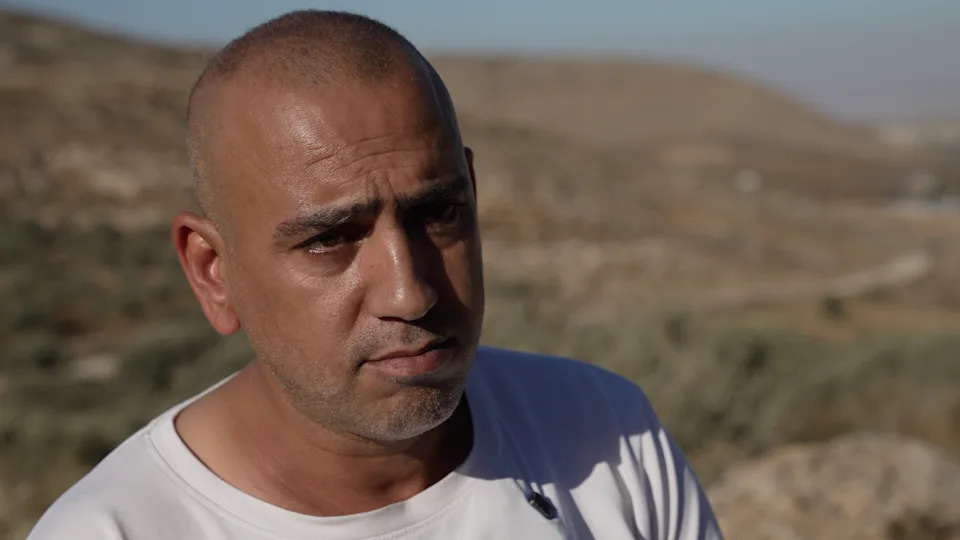
Brahim Hamayel said four new outposts had appeared near Khirbet Abu Falah over the past year [BBC]
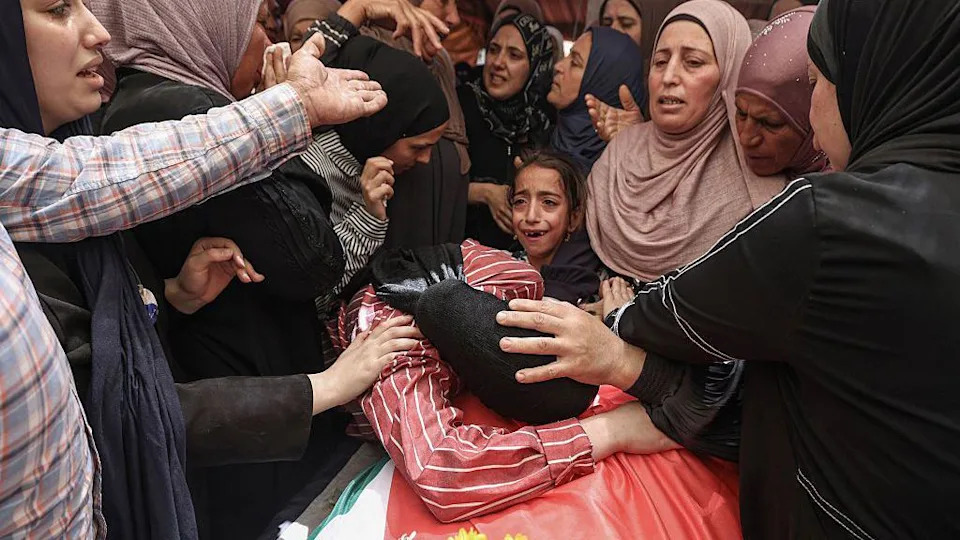
Fadi al-Nassan, 17, died a week after being shot during the attack in al-Mughayyir witnessed by the BBC [AFP]
Help us improve.