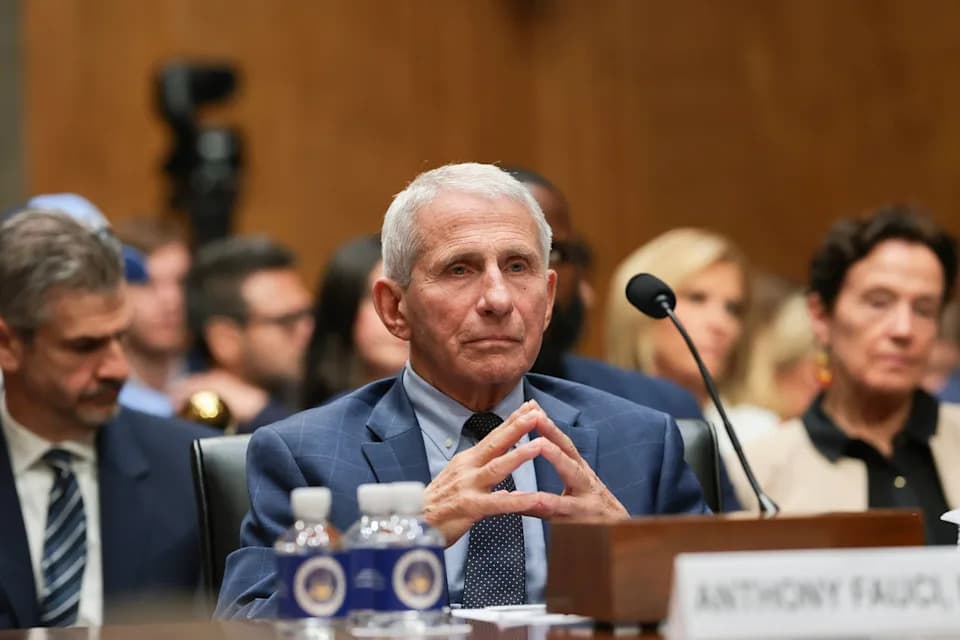
Verdict: Fauci's June 19, 2021 diary entry documents a definite pulmonary infarct and a recommendation to begin anticoagulation, but U.S. public-health agencies (CDC and FDA) do not list pulmonary infarction or pulmonary embolism as common or "expected" adverse events of mRNA COVID-19 vaccines. Claims that the CT finding proves a vaccine-caused infarct are unsupported. Some commentators also misstated the timing between Fauci's December 2020 vaccination and the June 2021 CT.
Fact Check: Fauci's Diary Shows Pulmonary Infarct — What the Record Says About Any Vaccine Link
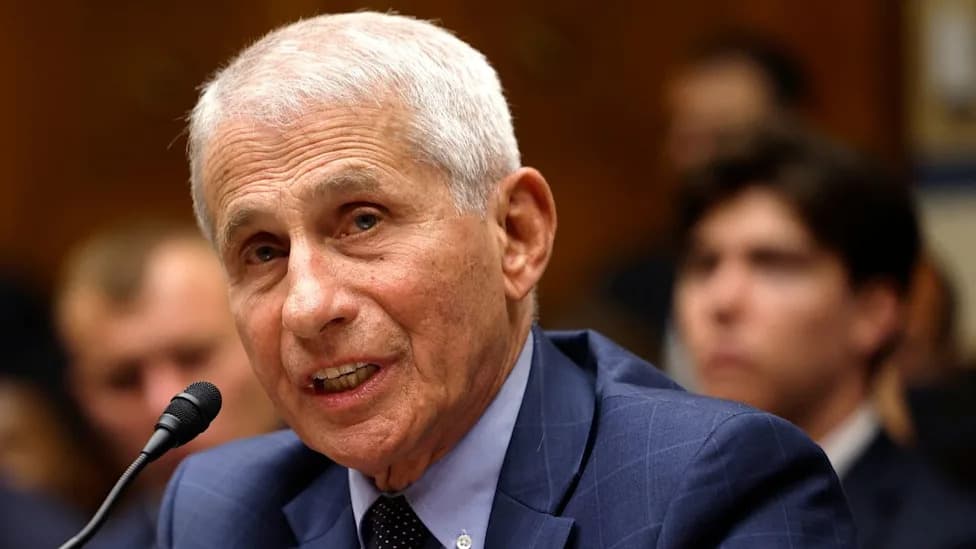
Chip Somodevilla, accessed via Getty Images
This article reviews claims that Dr. Anthony Fauci suffered a pulmonary infarct that was caused by a COVID-19 vaccine. It separates what is documented in Fauci's diary and public records from inaccurate or unsupported assertions circulating online.
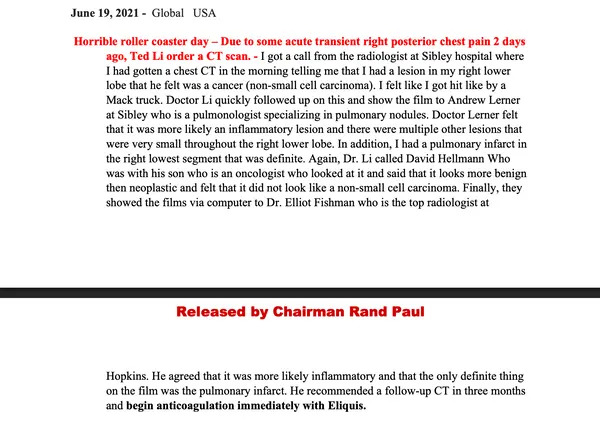
Key documentary fact: In a diary entry dated June 19, 2021 (released by Sen. Rand Paul in July 2026), Fauci described a chest CT that showed a "definite" pulmonary infarct in the right lowest segment and noted recommendations to start anticoagulation with Eliquis and to schedule a follow-up CT in three months.
What the diary actually says
The entry (page 782 of the released material) recounts acute right posterior chest pain, a CT ordered by Dr. Ted Li, and multiple clinician reviews. Several doctors considered some small lesions likely inflammatory rather than cancerous; the only imaging finding described as definite was the pulmonary infarct. The entry documents the immediate recommendation to begin anticoagulation and to repeat imaging after three months.
What is unsupported or false
Claims that the pulmonary infarct was a known or expected adverse effect of the mRNA COVID-19 vaccines authorized in the U.S. are not supported by CDC guidance or FDA prescribing information. The Centers for Disease Control and Prevention and the FDA materials for U.S.-authorized mRNA vaccines do not list pulmonary infarction or pulmonary embolism as common or expected side effects.
Some commentators conflated or misstated vaccine-safety information. A rare clotting disorder called thrombosis with thrombocytopenia syndrome (TTS) has been linked to the Johnson & Johnson/Janssen viral-vector vaccine — not to the mRNA vaccines — and that vaccine has not been used in the U.S. since June 2023. Fauci reportedly received an mRNA vaccine (Moderna) in December 2020.
Timing and timeline clarifications
Public video shows Fauci receiving a COVID-19 vaccine on Dec. 22, 2020. The diary entry describing the pulmonary infarct is dated June 19, 2021 — roughly six months later. Some public figures and posts misstated the interval as five months.
Document redaction and outreach
Portions of the released June 19, 2021 diary material were later redacted by Sen. Paul's office; the public record did not explain the reason. At the time of reporting, fact-checkers had sought comment from Fauci and from Sen. Paul's office about the diary authorship, the clinical findings, and any connection to vaccination; responses were pending.
Bottom line
Fauci's diary documents a pulmonary infarct on a June 19, 2021 CT and recommended anticoagulation. There is no authoritative evidence in CDC or FDA materials that pulmonary infarction or embolism is a recognized or common adverse effect of the mRNA COVID-19 vaccines authorized in the U.S., and available records do not establish a causal link between Fauci's infarct and his prior vaccination.
Sources and further reading: The diary pages released by Sen. Rand Paul (accessed via archived copies), CDC vaccine-safety pages, FDA prescribing information for authorized COVID-19 vaccines, and contemporary news coverage of the diary release.
Help us improve.