Activists at the International AIDS Conference in Rio demanded broader access to affordable generic lenacapavir, a twice-yearly injectable that has shown near-complete protection against HIV. Campaigners say middle-income Latin American countries that hosted trials have been excluded from licences, even though generics could cost about $40 a year. Gilead has offered three million donated doses, royalty-free licences for 120 countries and expects 600,000 people on the drug by year-end, but advocates call for far wider, faster distribution.
Activists Blast 'Pharma Greed' as Access To Lifesaving HIV Drug Is Restricted
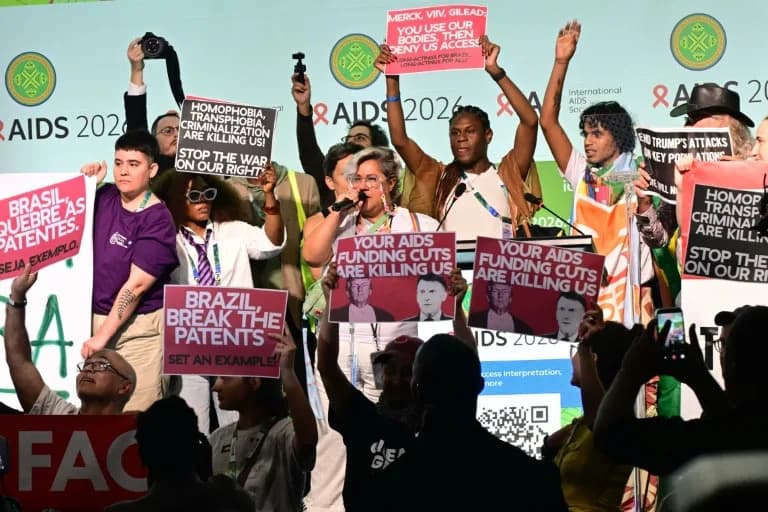
Protesters burst onto the stage at the opening of the 26th International AIDS Conference in Rio de Janeiro (Pablo PORCIUNCULA)
Activists and researchers at the 26th International AIDS Conference in Rio de Janeiro demanded immediate, wider access to generic versions of lenacapavir — a twice-yearly HIV prevention injection hailed as a potential game-changer but priced far beyond reach for many countries.
Protesters interrupted the conference opening carrying placards reading: "Pharma greed is killing us" and "You use our bodies then deny us access." Campaigners say middle-income Latin American countries that hosted clinical trials, including Brazil, Argentina and Mexico, have been excluded from licences that would allow low-cost generic production.
What the drug does: Lenacapavir is administered as two injections a year and has shown near-complete protection against HIV transmission in clinical studies, offering an alternative to daily oral PrEP for people who face stigma or adherence challenges.
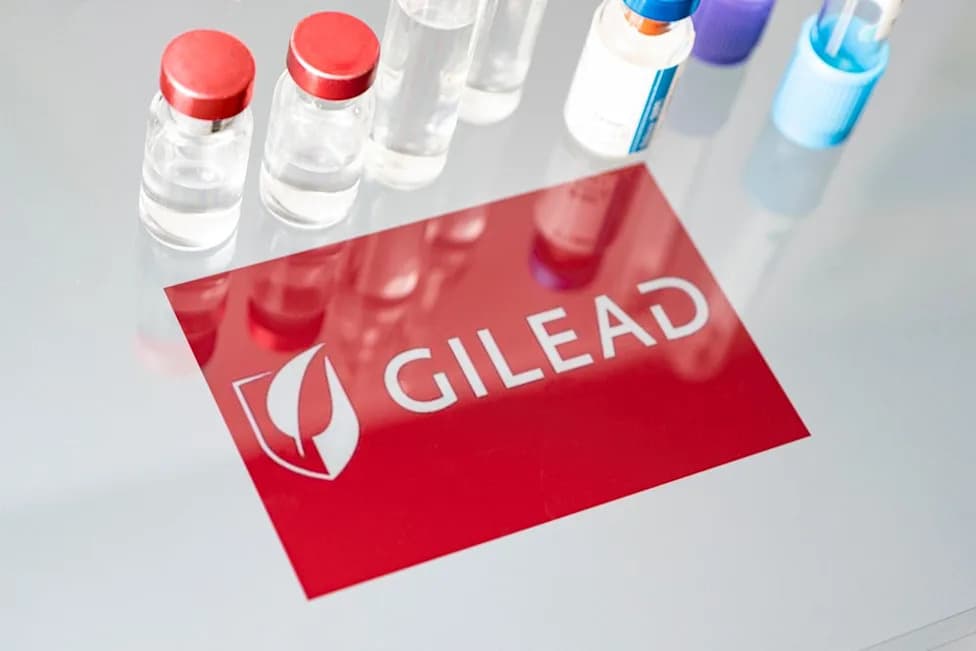
Cost and licensing dispute: Researchers and activists say generics could be produced for as little as about $40 per person annually, while patent-holder Gilead Sciences lists the U.S. price at roughly $28,000 per patient per year for the two injections. Gilead has announced royalty-free licences with six generic manufacturers covering 120 countries and a donation of three million doses — primarily destined for low-income African nations — while saying 600,000 people could be on lenacapavir by year-end.
UNAIDS executive director Winnie Byanyima called the exclusions an "injustice," asking why countries that contributed to trials remain outside licensing agreements. Antonio Flores, an infectious-diseases physician with Médecins Sans Frontières, said it was unacceptable that regions that hosted trials are being forced to pay high prices.
Beatriz Grinsztejn, president of the International AIDS Society and a leader of Brazil's role in the trials, said participants who took part in research would be guaranteed ongoing access to the drug, adding that denying wider access would be unethical for researchers.
"How can Latin America still be left outside licenses for life-saving drugs? It is an injustice," — Winnie Byanyima, UNAIDS
Broader context: Latin America is one of only three regions where new HIV infections are rising. Campaigners are pressing for broader, faster distribution of cost-effective generics so millions can benefit and transmission rates can be curbed.
Next steps: Advocates urge Gilead and governments to expand licence coverage to middle-income countries, accelerate generic production, and use donor support strategically to ensure equitable access while generic supply scales up.
Help us improve.