The bishops of Southwark, Chelmsford and Winchester have written to Foreign Secretary Ed Miliband and Crown Prince Mohammed bin Salman urging urgent action to stop executions of more than 50 Ethiopian Christians in Saudi Arabia. They cite allegations of torture, coerced confessions, forced removal of Christian symbols and executions carried out without family notification; at least five detainees are reported to have been executed. The bishops call for a moratorium on executions, commutation for non-lethal drug convictions, independent case reviews and proper legal representation and interpretation.
Church of England Bishops Urge Miliband To Press Saudi Arabia To Halt Executions Of Ethiopian Christians
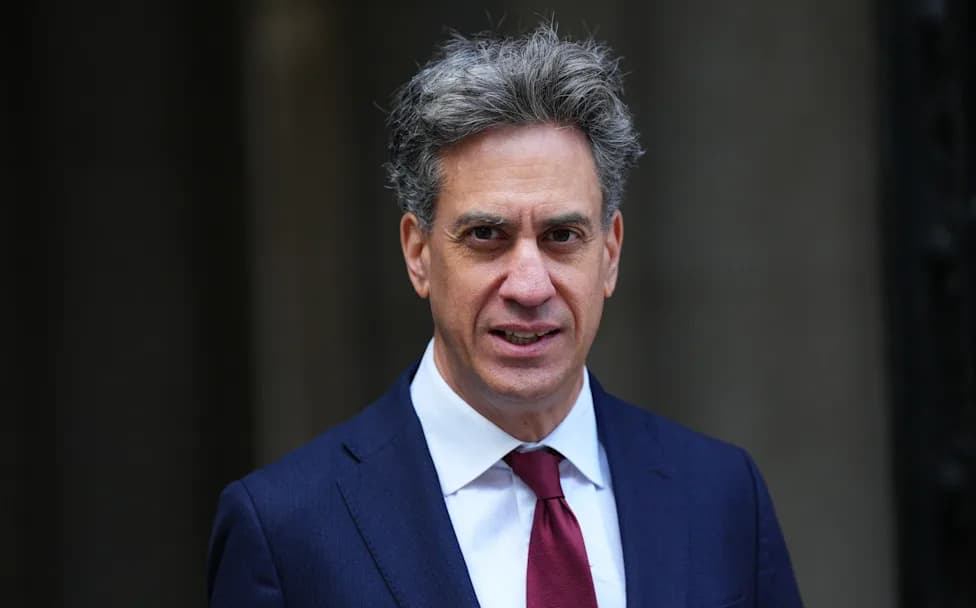
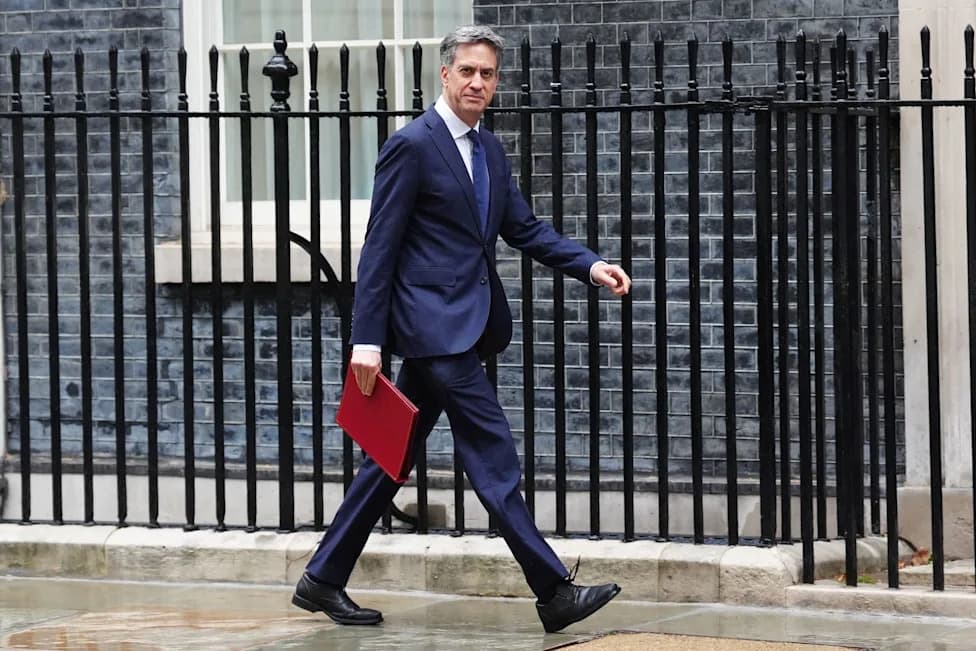
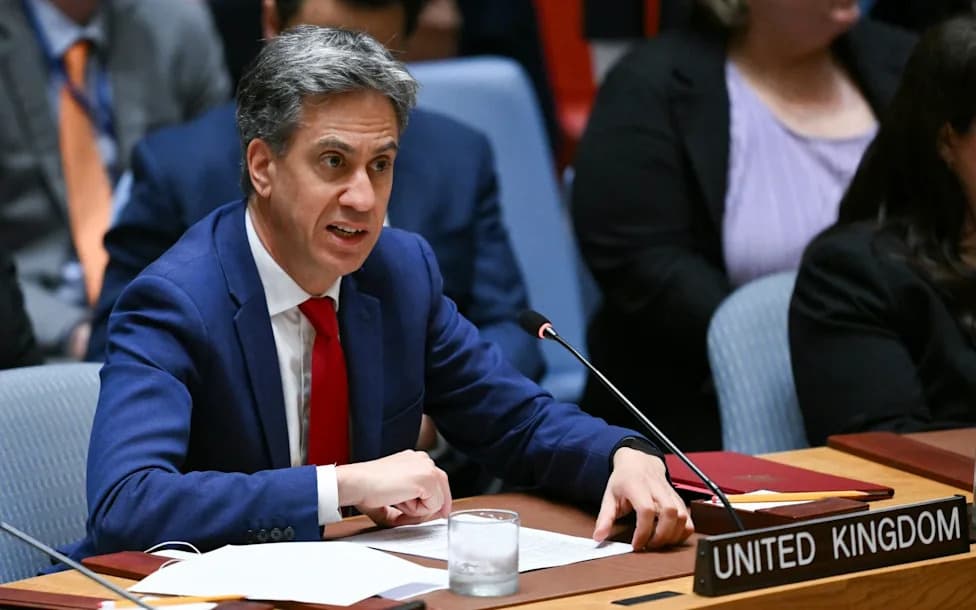
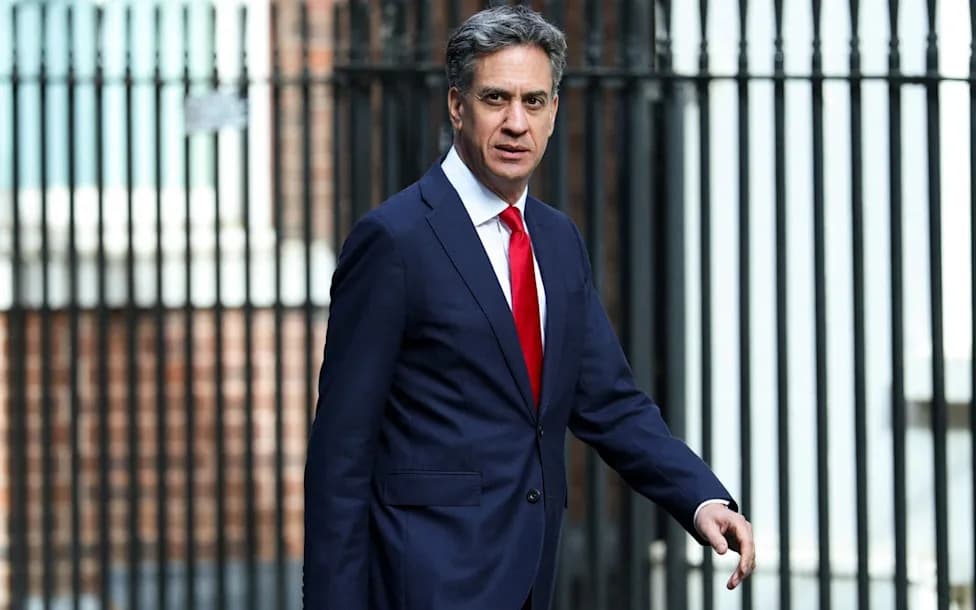
Ed Miliband has pledged to fight for 'Britain's values of the rule of law on the world stage' - Carl Court/Getty
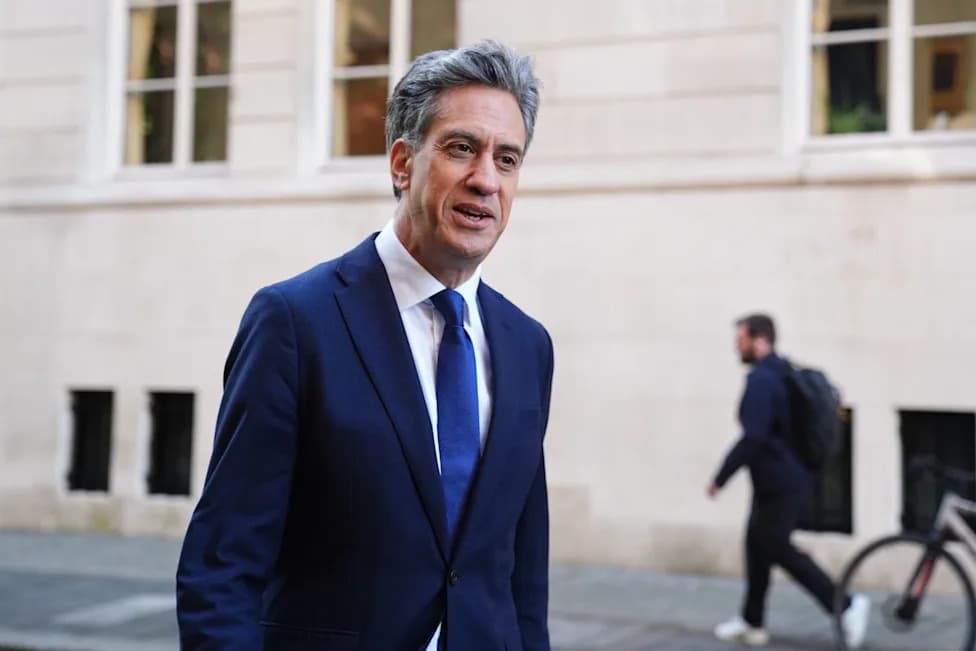
Senior Church of England figures have appealed directly to Foreign Secretary Ed Miliband and to Crown Prince Mohammed bin Salman to intervene over reports that more than 50 Ethiopian Christians held in Saudi prisons face execution after alleged torture and unfair trials.
Three bishops representing Southwark, Chelmsford and Winchester have written to the Saudi ruler and submitted the same plea to the UK Foreign Office. They say there is credible testimony that many of the detainees—who fled conflict in Ethiopia—were mistreated in custody, coerced into signing documents they could not read and, in several cases, physically abused.
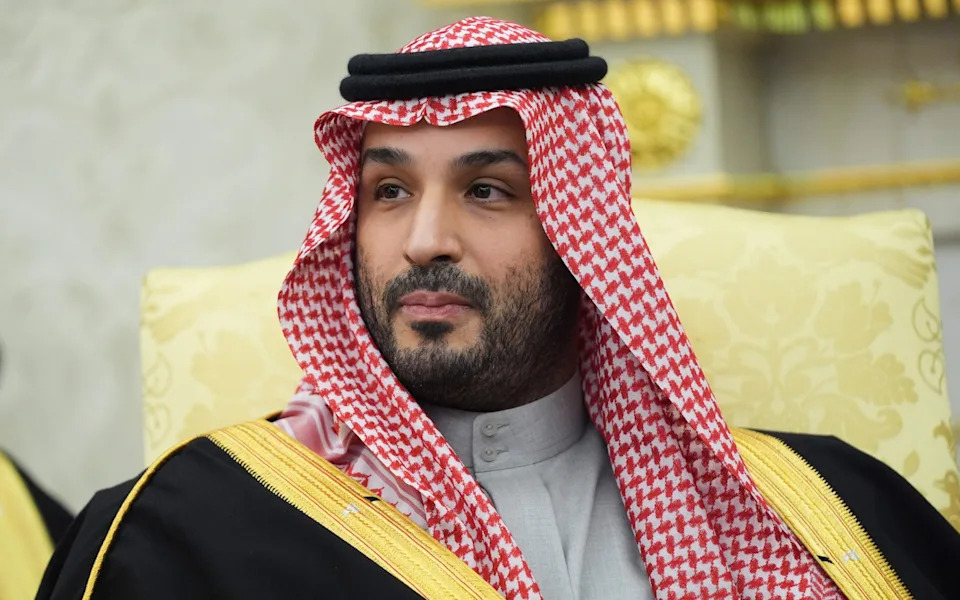
Bishops want Saudi crown prince Mohammed bin Salman to halt the executions - Evan Vucci/AP
The bishops report that some men were convicted on drug-smuggling charges after being allegedly forced or deceived by criminal traffickers into carrying contraband across borders. They say several detainees were tortured and that prison authorities or police removed Christian crosses worn by prisoners and assaulted them when the symbols were discovered during transfers to court.
"The open expression of Christian belief has reportedly been discouraged or prohibited within the prison," the bishops wrote. "The right to hold, practise and express one's religious faith, including within a prison setting, is a fundamental right recognised under international law. We urge Your Royal Highness to ensure that it is upheld."
The bishops say at least five of the Ethiopians have already been executed despite assurances to Ethiopian consular officials that death sentences would be suspended for review. They also assert that some prisoners were told they were being taken to court or routine hearings and were executed only hours later, with families not informed in advance and often left without information about the location of remains.
They have called for an immediate moratorium on executions for the Ethiopian nationals held at Khamis Mushait Prison near Abha in southern Saudi Arabia, and for the commutation of death sentences for anyone convicted only of non-lethal drug offences. The bishops demand full, independent and transparent reviews of all cases, with access to adequate legal representation and properly qualified interpreters.
In their letter the bishops emphasise that their appeal is made in the context of the important bilateral relationship between the UK and Saudi Arabia, arguing that urgent, transparent handling of these cases is in the interests of both countries.
A Foreign Office spokesman reiterated that the UK "strongly opposes the death penalty in all countries and in all circumstances" and said the UK raises these concerns with Saudi authorities through a range of diplomatic channels. Mr Miliband, in taking up his post, pledged to champion the UK's values of democracy, freedom and the rule of law on the international stage.
What the bishops are asking for: an immediate halt to executions of the Ethiopian nationals; commutation of death sentences for non-lethal drug offences; independent, transparent case reviews; proper access to legal counsel and qualified interpretation; and respect for prisoners' freedom to practise their religion.
Help us improve.