The U.S. Army held a final formation for the 4th Squadron, 10th Cavalry Regiment at Fort Irwin during Project Convergence–Capstone 6, marking the unit's deactivation on July 29. The squadron traces a 160-year lineage to the Buffalo Soldiers—Black Regular Army regiments created in 1866 that served on the frontier and in major 20th-century conflicts. The Army says the deactivation supports a forcewide modernization effort emphasizing unmanned systems and electronic warfare. Leaders and historians stress that the Buffalo Soldiers' traditions and service will continue to influence the Army's legacy.
End of an Era: Army Deactivates 4-10 Cavalry Squadron, Closing 160-Year Buffalo Soldiers Chapter
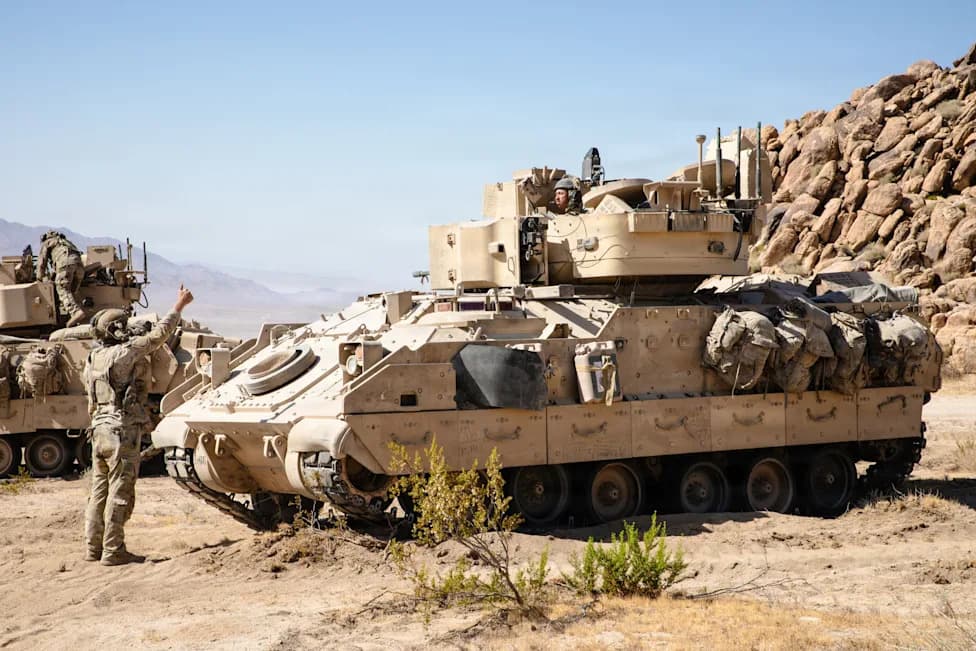
U.S. Army Staff Sgt. Zachary Harwood, assigned to the 4th Squadron, 10th Cavalry Regiment, 3rd Armored Brigade Combat Team, 4th Infantry Division, guides his soldiers as they operate a Bradley M2A3 during Project Convergence Capstone 6 at Fort Irwin, California, on July 22, 2026. (Sgt. Brent Lee/Army)
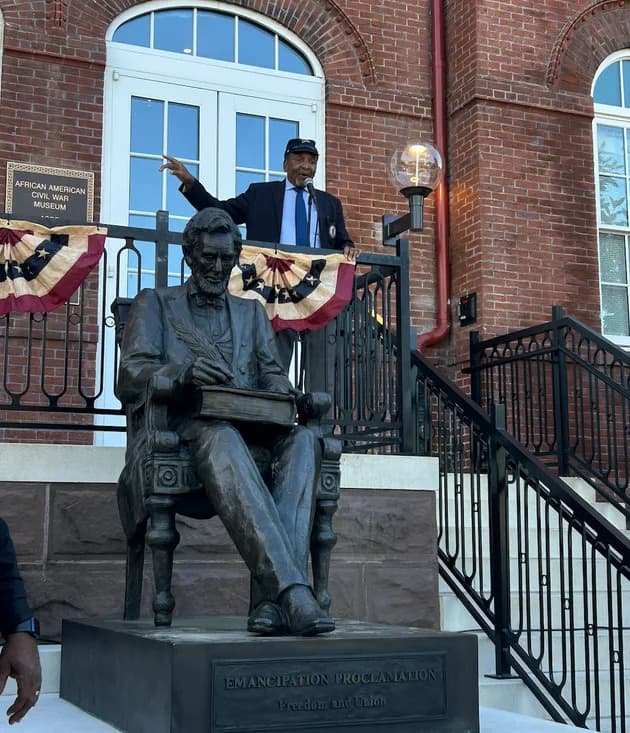
From the Western Plains of the United States to the beaches of Europe and the Pusan Perimeter in Korea, the Buffalo Soldiers represent a continuous and consequential thread in U.S. military history. On Sunday, troops assigned to the 4th Squadron, 10th Cavalry Regiment, 3rd Armored Brigade Combat Team, 4th Infantry Division gathered at Fort Irwin, California, during Project Convergence–Capstone 6 to hold a final formation and honor the squadron's 160-year heritage.
A Unit With Deep Roots
Although African Americans fought in every major U.S. conflict since the nation's founding, formal Black U.S. Regular Army units were not established until 1866. As part of an Army reorganization after the Civil War, Congress authorized six segregated Regular Army regiments of African American soldiers: the 9th and 10th Cavalry and the 38th, 39th, 40th and 41st Infantry. Three years later the infantry regiments were consolidated and redesignated as the 9th and 10th Cavalry and the 24th and 25th Infantry.
The newly created units were assigned to protect frontier settlers, escort wagon trains, build roads and secure transportation routes and other critical infrastructure across the expanding American West. During these campaigns the 10th Cavalry acquired the nickname "Buffalo Soldiers," a term reportedly used by Plains tribes in recognition of the troops' dark, curly hair or their ferocity and bravery in combat. The soldiers embraced the name, and the buffalo insignia became part of the 10th Cavalry's regimental crest.
Service and Legacy
Buffalo Soldiers served in many major operations and conflicts across U.S. history, including the Indian Wars (where about 18 soldiers received the Medal of Honor), the Spanish–American War, the Philippine–American War, the Mexican Punitive Expedition, World War II and the Korean War. Prominent officers associated with Buffalo Soldier units include Benjamin H. Grierson, Ranald S. Mackenzie and John J. Pershing, as well as Henry O. Flipper—the first Black graduate of West Point—and Charles Young, the third Black West Point graduate and the first African American promoted to the rank of colonel.
The last widely recognized Buffalo Soldier veteran, Mark Matthews, died on September 6, 2005, at age 111 and is buried at Arlington National Cemetery. The traditions and history of these units influenced the Army and the nation for generations.
Why 4-10 Cavalry Is Standing Down
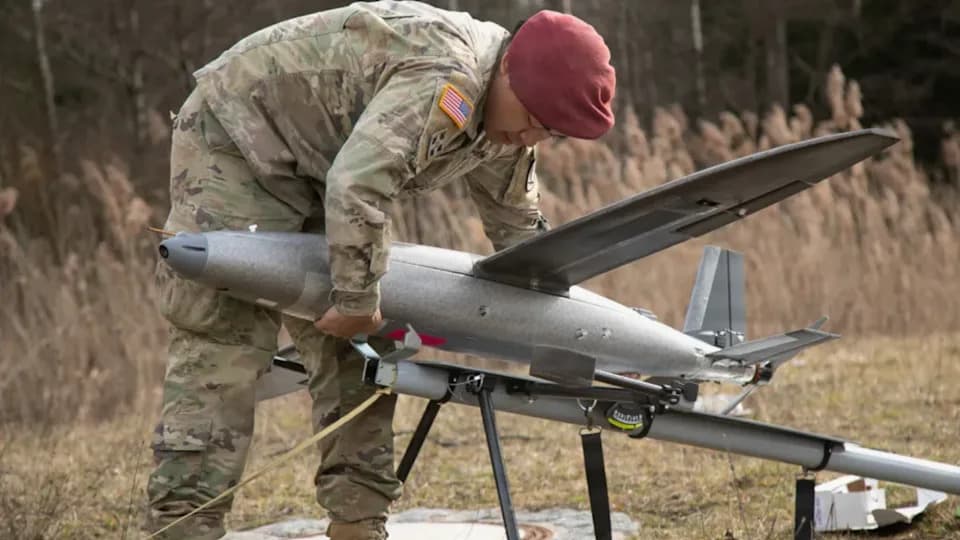
The Army announced the deactivation of the 4th Squadron, 10th Cavalry Regiment effective July 29 as part of a broader force-structure transformation aimed at preparing for large-scale combat operations. Leaders say the reorganization will accelerate integration of emerging capabilities — including unmanned systems and expanded electronic-warfare tools — and adapt legacy formations to modern battlefield demands.
"Today we honor 160 years of service, sacrifice, and excellence that began with the very first Buffalo Soldiers and continued through every Trooper that followed in their footsteps," said Lt. Col. Shawn Scott, commander of the 4th Squadron, 10th Cavalry Regiment. "As the squadron colors are cased today on the 160th birthday of the regiment, we remember the courage, professionalism and selfless service of all those Black Jack Troopers who came before us. While this chapter comes to a close, the values and traditions of the Buffalo Soldiers will continue to live on in every Trooper who served in this extraordinary unit. READY AND FORWARD!"
Looking Forward
While the casing of the squadron colors marks the end of an organizational lineage, the historical significance, stories and traditions of the Buffalo Soldiers remain part of the Army's institutional memory. The deactivation reflects a shift in how the service organizes to meet new threats, but veterans, historians and current Soldiers alike emphasize that the legacy of the Buffalo Soldiers will continue to be honored and taught to future generations.
Help us improve.