Ukrainian President Volodymyr Zelenskyy met President Donald Trump in Washington as he warned that Russia may be preparing to deploy North Korean troops and alleged intelligence-sharing between Russia and Iran. The visit could yield political and diplomatic benefits for both leaders amid tense regional dynamics. Separate developments include an alleged Ukrainian strike on a ship in the Caspian Sea, uncertainty ahead of an important Federal Reserve meeting, high-profile domestic policy proposals, and escalating private investment in AI infrastructure.
Zelenskyy in Washington: A High-Stakes Visit as Geopolitics and Domestic Politics Collide

Matt Kaminsky/ZUMAPRESS/Newscom
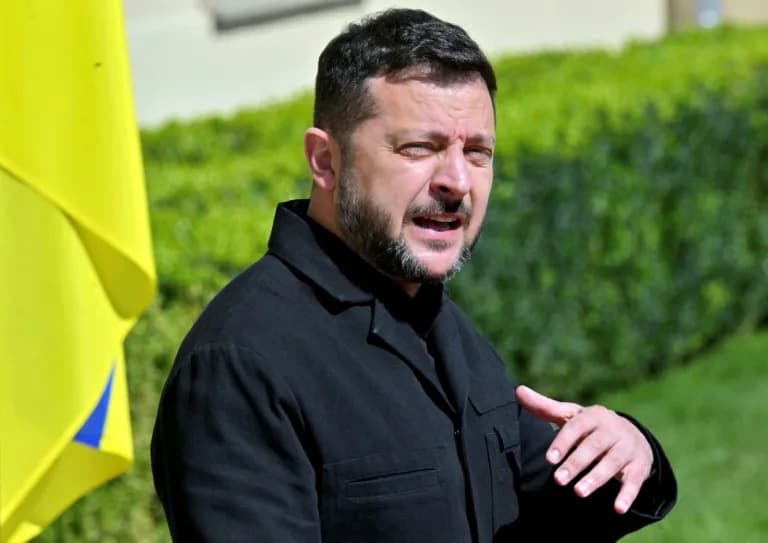
Ukrainian President Volodymyr Zelenskyy visited Washington this week and warned that Russia may be preparing to deploy as many as 30,000 North Korean troops to fight in Ukraine—a claim Zelenskyy framed as a broader security threat. "This is a threat not only to Ukraine. Russia is helping North Korea learn how to wage war, improve its weapons and gain real combat experience in using them," he said, according to his public remarks.
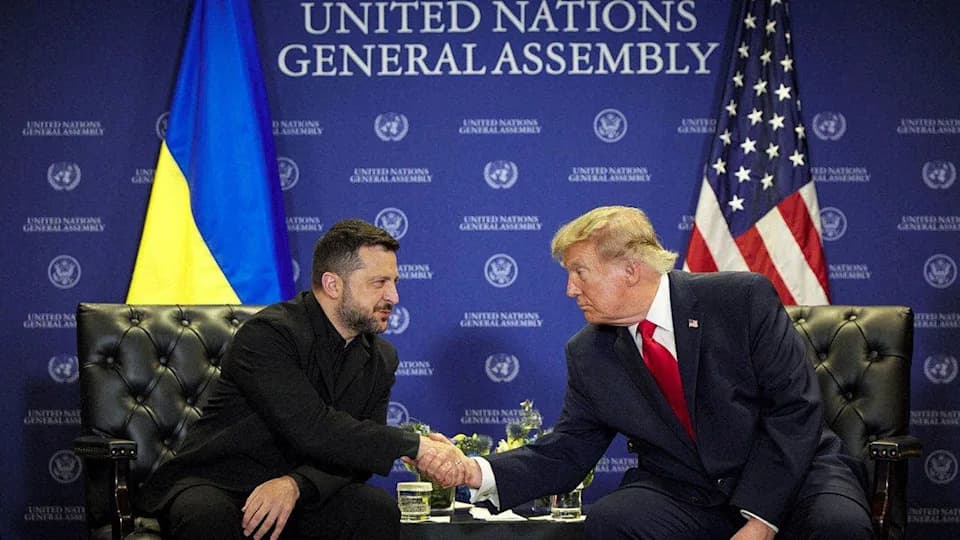
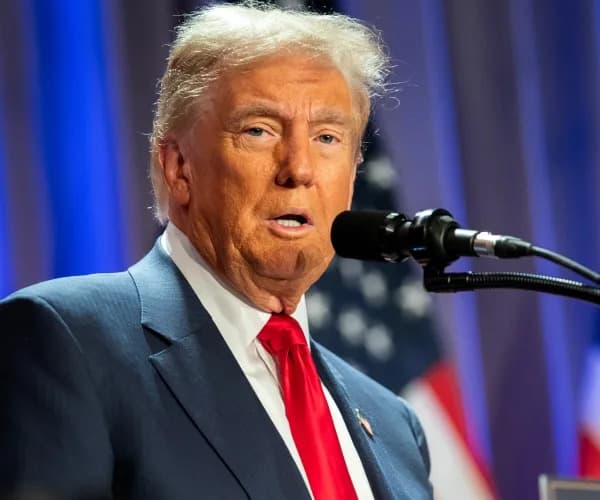
The meeting with President Donald Trump was reportedly cordial by many observers, despite earlier tensions between the leaders. Analysts say the encounter could serve reciprocal political and diplomatic purposes: Zelenskyy can press for continued U.S. backing, while Trump may seek a visible foreign-policy success amid domestic challenges.
Escalating Regional Risks
The visit comes as concerns grow about spillovers between multiple conflicts. Ukrainian officials said they struck a ship in the Caspian Sea that they believe was transporting Iranian military supplies to Russia. Separately, Zelenskyy told reporters that Ukrainian intelligence had gathered evidence alleging Russia provided Iran with satellite surveillance of Gulf states and U.S. bases—capabilities that could aid Tehran in planning attacks. These claims were reported in international outlets and reflect a worrying blend of regional tensions.
Note: Several of these developments remain contested or are reported by Ukrainian and international media; independent verification of some claims—such as troop deployments and intelligence-sharing—has not been universally confirmed.
Diplomatic Backdrop
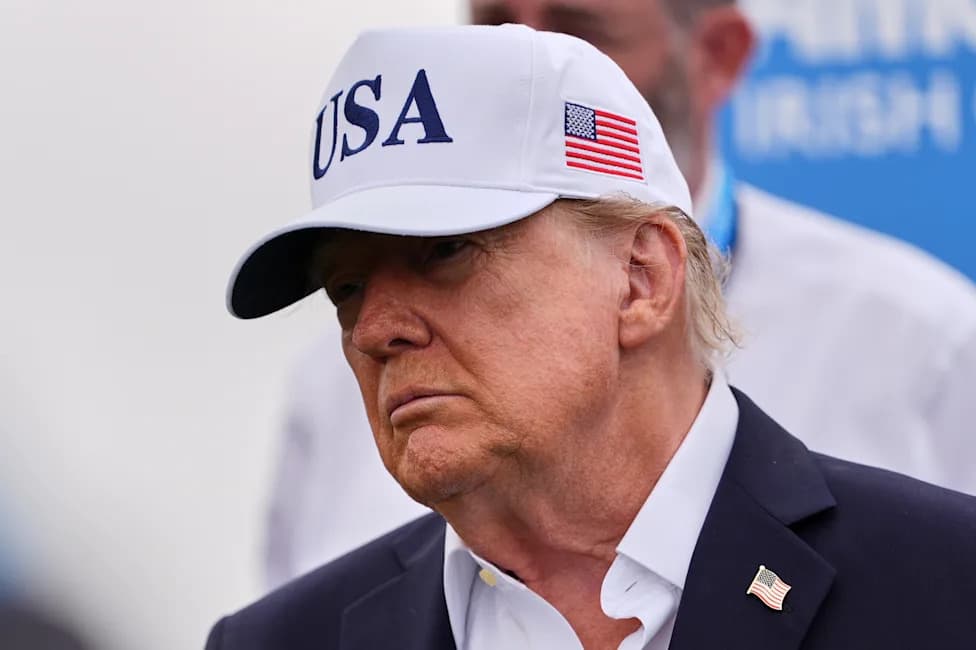
The visit also overlaps with other diplomatic moves: President Trump is scheduled to meet Israeli Prime Minister Benjamin Netanyahu this week, a meeting that has drawn heated commentary from former administration figures and political operatives.
Domestic Headlines and Policy Notes
Back home, New York Mayor Zohran Mamdani announced that city-owned grocery outlets will offer a 30 percent discount on produce, meat and certain staples. Critics called the plan largely symbolic—one store per borough is unlikely to solve food-access problems at scale—while supporters framed it as a targeted relief measure for lower-income shoppers.
The New York Times ran a feature on Cuba’s resilience in the face of tightened oil restrictions, prompting debate about whether sanctions or systemic economic problems are the central drivers of the island’s difficulties.
The Federal Reserve faces an unusually uncertain meeting this week. Many expect the central bank to hold rates steady, but renewed concerns about inflation leave the possibility of a surprise increase on the table. Commentators note that former Fed governor Kevin Warsh, an advocate of changing how the Fed communicates, has signaled a quieter approach—creating new uncertainty about policy signals.
Politics and Technology
In Wisconsin, progressive candidate Francesca Hong—previously a bartender and now running for governor—has gained attention after topping a recent Marquette Law School poll. Her platform includes progressive labor reforms such as a 32-hour workweek, proposals that have energized some voters and unnerved others who prefer more traditional qualifications.
Finally, the global race for artificial intelligence continues to draw enormous private-sector investment. Media reports describe large-scale data-center deals and substantial GPU-backed financing as major tech firms and startups push to scale AI infrastructure, raising concerns about an escalating international AI investment race.
More developments are expected in the coming days as these diplomatic and policy stories evolve.
Help us improve.