Brazilian researchers found that feeding cotton bollworm larvae only Styrofoam shifts their gut fungal community, allowing fungi such as Aspergillus and Talaromyces to proliferate. In lab tests, spores of these fungi colonized polystyrene film over 60 days, suggesting they may use EPS as a carbon source. The team will search for the enzymes responsible and must determine whether the fungi fully mineralize the plastic or only produce micro- and nanoplastics.
Cotton Bollworm Gut Fungi May Unlock a Way to Break Down Styrofoam
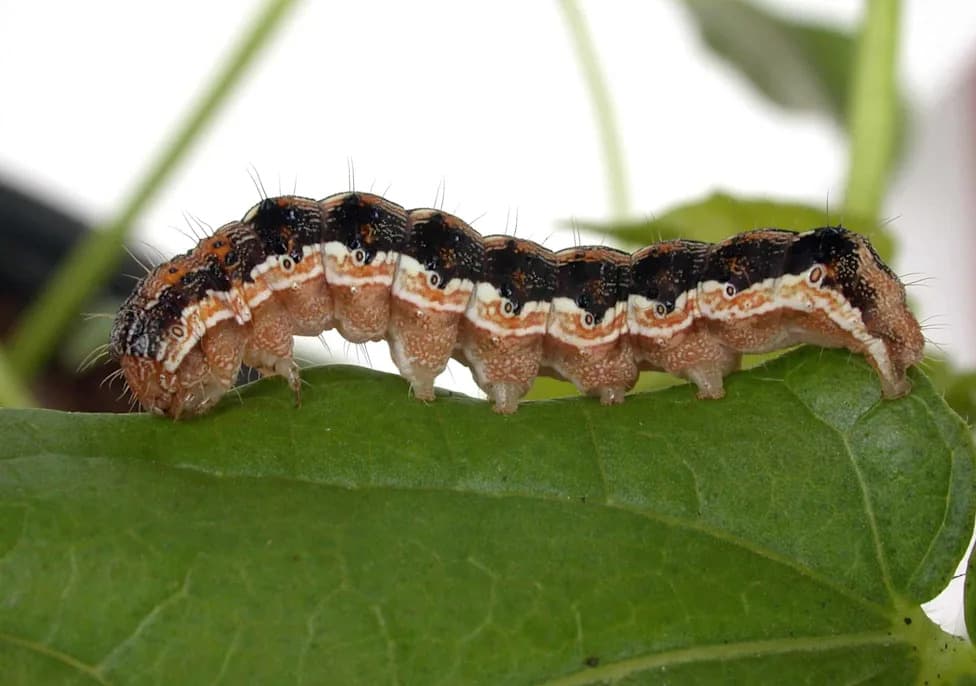
Old World Bollworm (Helicoverpa armigera)© CSIRO / CC BY 3.0
Researchers in Brazil have identified gut fungi in the cotton bollworm (Helicoverpa armigera) that change when the caterpillar is fed only expanded polystyrene (EPS, commonly known as Styrofoam). Early laboratory tests suggest some of these fungi can colonize polystyrene film and may be able to use it as a carbon source — a potential lead for new biological approaches to managing persistent Styrofoam waste.
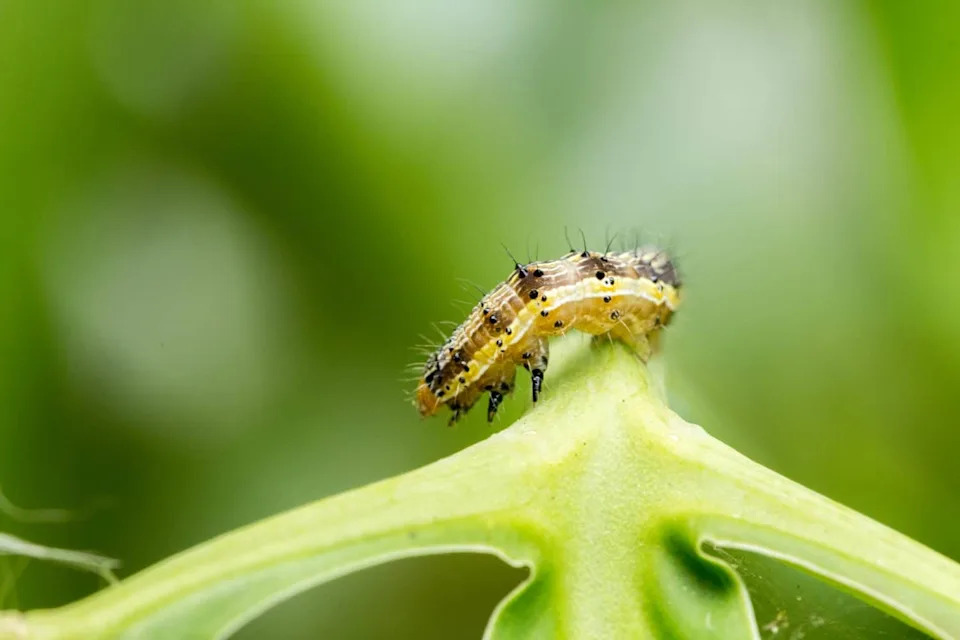
Cotton bollworms are voracious eaters and can destroy farm crops.©moxumbic/Shutterstock.com
How The Study Was Done
Led by Flavio Henrique Silva of the Federal University of São Carlos and collaborators at São Paulo State University, the team divided cotton bollworm larvae into three feeding groups: one fed only Styrofoam blocks, a second on a standard laboratory diet, and a third on a mixture of both. They profiled the fungal communities in the insects' guts using ITS metabarcoding, a DNA sequencing method that identifies fungal species.
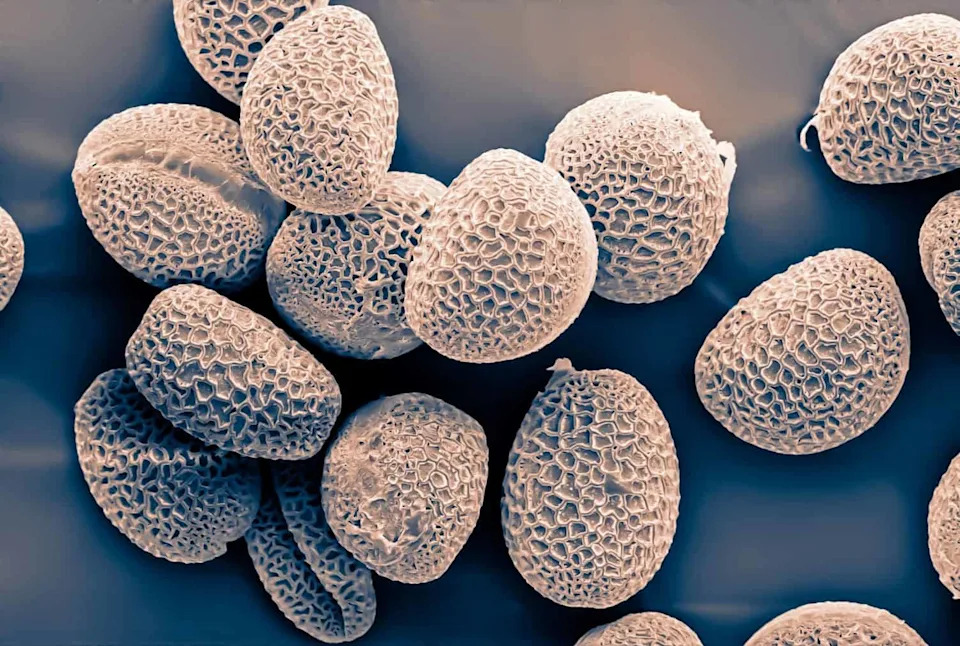
Researchers studied the fungi under an electron microscope.©Adriano Frisanco/Shutterstock.com
Key Findings
When caterpillars were fed only Styrofoam, levels of the common gut yeast Diutina fell sharply while other fungi—including Aspergillus, Talaromyces, Metarhizium and Trematosphaeria—increased. To test direct interaction with polystyrene, researchers placed spores of these fungi on EPS film and left them for 60 days. Electron microscopy revealed filamentous fungal growth on the film, consistent with colonization and possible use of the plastic as a carbon source.
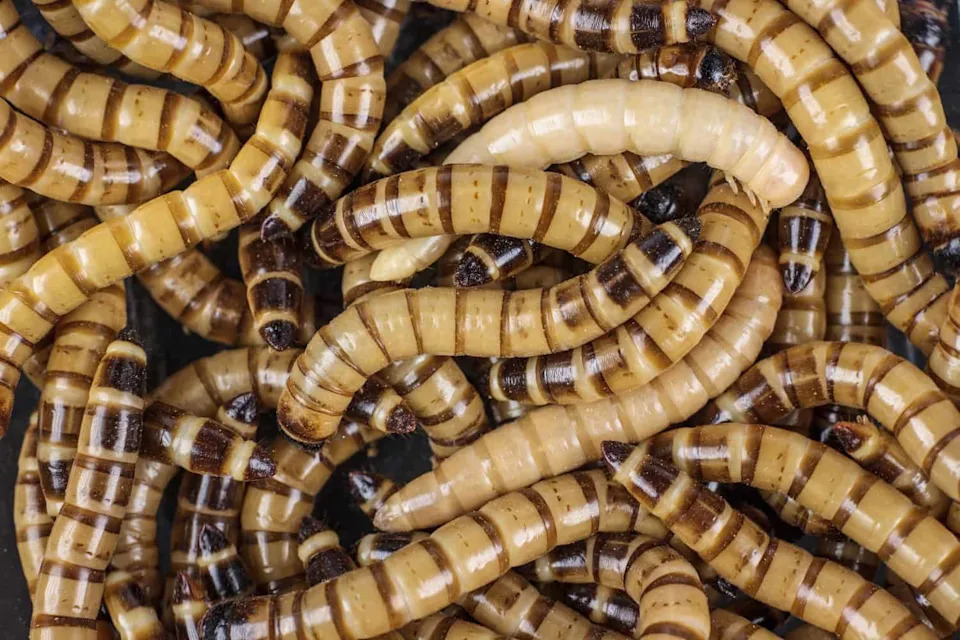
The larvae ofZophobas moriocan survive for weeks eating only styrofoam.©Maxim Vasiliev/Shutterstock.com
"If the fungus was able to grow on that film, it's because it used the film as a carbon source—that is, a food source," Silva said in the team's press statement. He noted that two species produced more pronounced changes to the film while the others caused subtler alterations.
Context And Next Steps
The findings are preliminary. The researchers plan to identify the specific enzymes the fungi use to degrade polystyrene and to test whether the degradation mineralizes the plastic (breaking it down to harmless end products) or merely fragments it into micro- or nanoplastics. Determining this will be critical to assessing environmental safety and practical applicability.
This work builds on earlier studies from the same group showing a polystyrene-degrading bacterium in the gut of a sugarcane beetle (Sphenophorus levis). The team is also investigating the giant mealworm (Zophobas morio) as a robust host for assembling an efficient microbial consortium. Scientists have nicknamed Z. morio the "Trojan mealworm" for its potential to carry and amplify plastic-degrading microbes in nature or contained biodegradation systems.
Implications
If researchers can identify and scale the enzymes or microbial consortia responsible, this approach could become a novel complement to mechanical recycling and chemical treatments for EPS. However, substantial work remains to confirm complete degradation, evaluate environmental risks, and develop safe, scalable processes.
Study Source: Results published in BMC Microbiology. The research highlights an intriguing intersection of agricultural pest biology and environmental biotechnology, but practical applications will require further validation.
Help us improve.