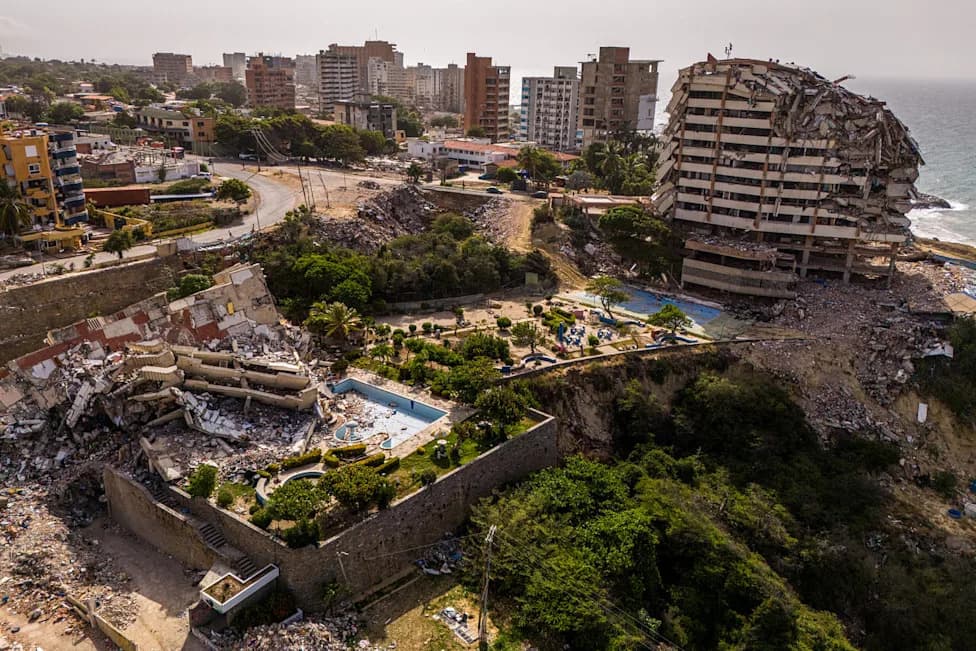
Beyli, a poodle, was rescued alive from the rubble of a collapsed family home near Playa Grande in La Guaira after 29 days. The dog was found beside the body of its owner’s mother; the owner, 11-year-old Victoria Rengel, survived. The 24 June earthquakes killed more than 5,546 people and injured about 17,000. Families and volunteers continue to search the ruins amid criticism that the government’s early response fell short, while foreign teams including UK ISAR aided many rescues.
Poodle Beyli Pulled Alive From Venezuelan Earthquake Rubble After 29 Days
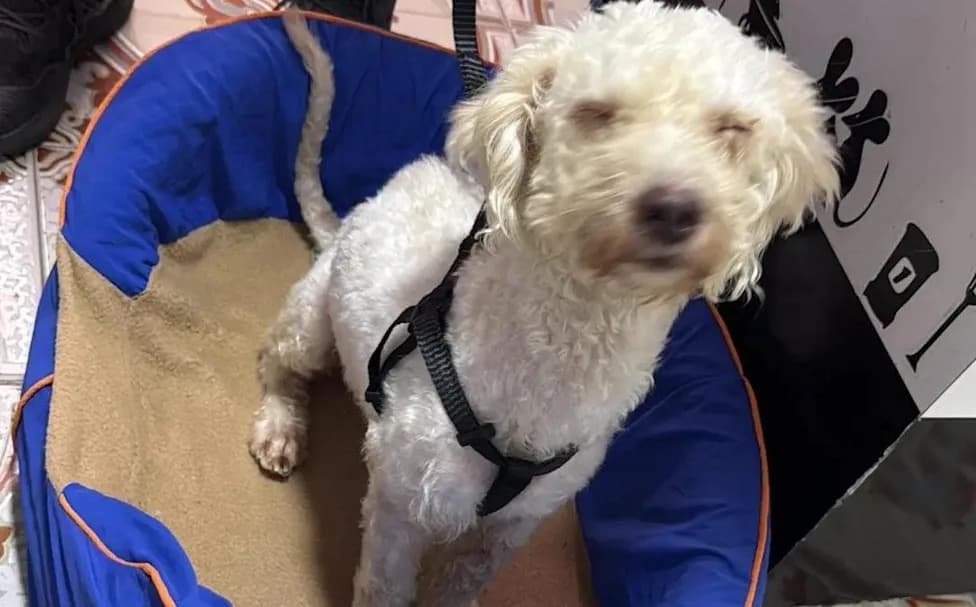
Beyli the poodle survived the 7.2 and 7.5 magnitude earthquakes in Venezuela on June 24 - Jam Press
A poodle named Beyli was found alive after spending 29 days trapped beneath the rubble of a collapsed family home near Playa Grande in La Guaira, Venezuela. Rescuers searching the site for victims discovered the dog curled up and covered in dust, beside the body of the victim it appears to have tried to protect.
The animal's owner, 11-year-old Victoria Rengel, survived the twin tremors that struck on 24 June — measured at magnitudes of 7.2 and 7.5 — but her mother and grandmother were killed when their home collapsed. Beyli was recovered next to Victoria's mother's body.
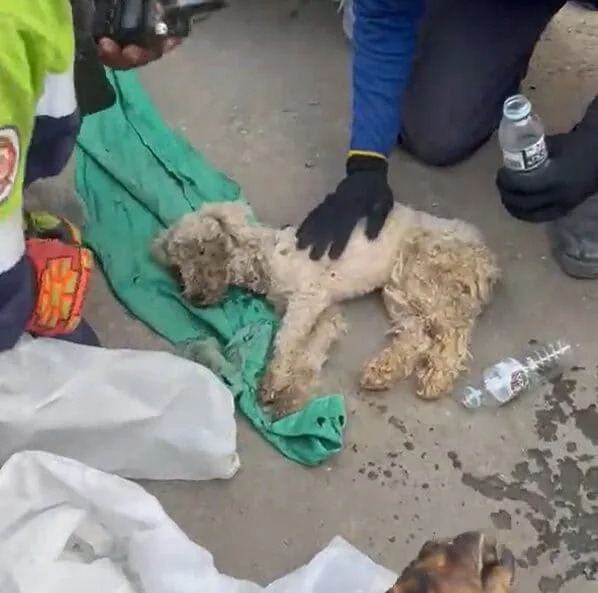
Rescuers give treatment to Beyli after finding the poodle trapped under rubble - Jam Press
"He wanted to protect her," Victoria told local reporters. "I will remember how much he loved my mum."
Rescue Efforts and Aftercare
After being pulled from the wreckage, Beyli was taken to a nearby veterinary clinic where staff administered an intravenous drip and began treatment. Vets say the dog has eye ulcers and is dehydrated, but they expect a full recovery.
"It is a miracle everything that has happened with him," Beyli's veterinarian, identified as Mirna, told Diario de Morelos. "He has some ulcers in the eyes, but soon he will be fine."
Wider Human Cost and Ongoing Searches
The earthquakes left a devastating toll: more than 5,546 people dead and roughly 17,000 injured, with many still missing. One month after the disaster, families, volunteers and rescue teams continue to comb the ruins across the state of La Guaira, hoping against hope that survivors may yet be found underneath collapsed buildings.
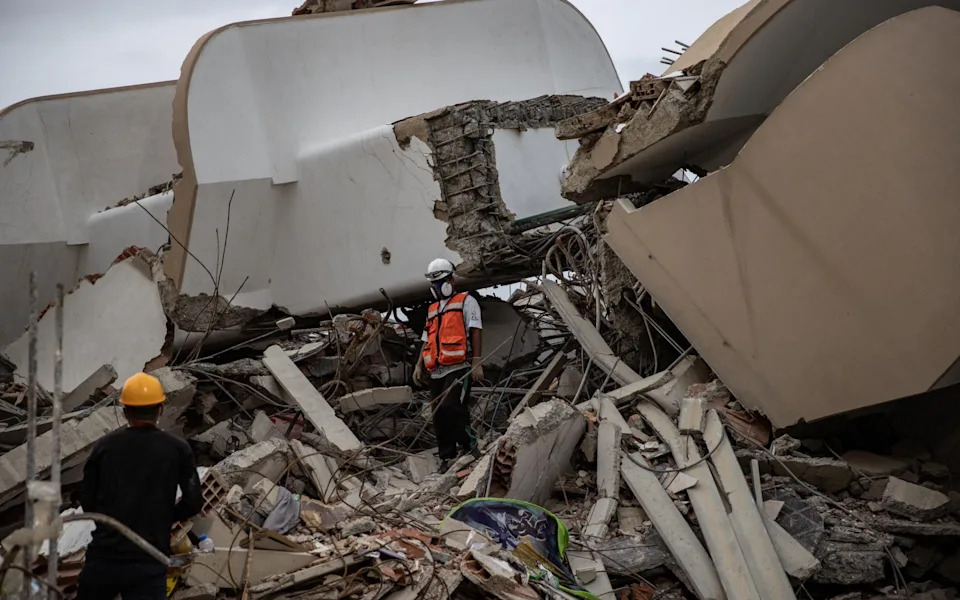
Search and rescue operations continue in La Guaira - Anadolu
Desperation has driven relatives and local volunteers to use pickaxes, hand tools and electric hammers as they work through concrete and debris. Maikol Morales, who has already recovered his mother, told Reuters he was still searching for other family members: "I already got my mother out, now I am trying to get my father, my sister, and my two nephews out… this is my home… and I am sure they are all here." Another resident, Arlinda Prada, said she would keep looking for as long as necessary: "La Guaira is still looking for its relatives."
Criticism of Government Response
A new report from the Miranda Centre for Democracy, based in Washington, D.C., criticised the Venezuelan government's response, arguing that many more people might have survived if a professional emergency operation had been mounted during the vital first 72 hours after the quake. The report said that where the state did appear, it "prioritised control, extraction, and censorship over rescue."
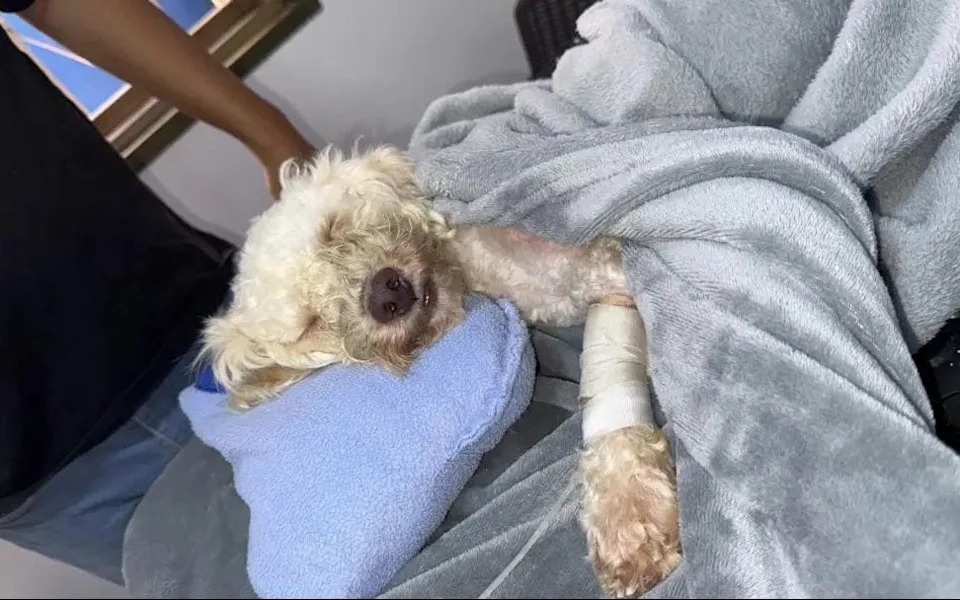
Beyli at a veterinary clinic - Jam Press
Locals also said that in the immediate aftermath the government's on-the-ground activity was largely limited to traffic control, while most rescue and recovery operations were later carried out by foreign teams, including the UK International Search And Rescue (ISAR) unit.
The discovery of Beyli — a small moment of hope amid an overwhelming tragedy — highlights both the resilience of survivors and the urgent, ongoing human cost of the disaster.
Help us improve.