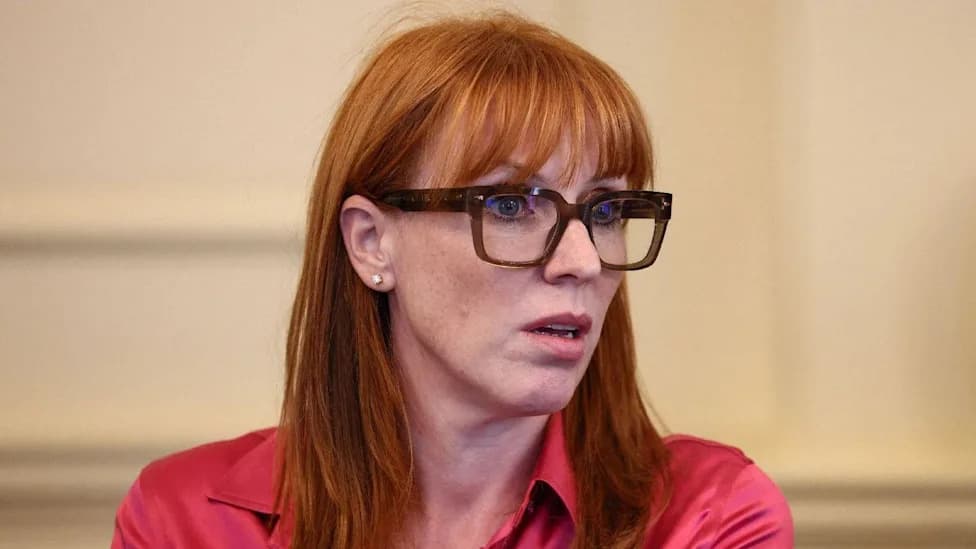
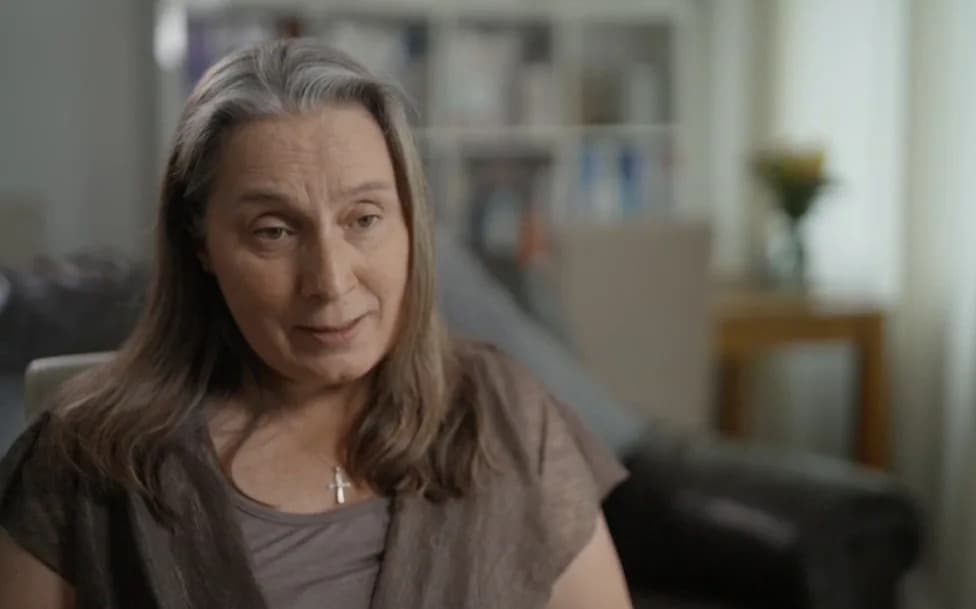
The BBC-obtained FOI shows roughly £34m in exit packages were paid during 2025/26 as three ICBs merged ahead of a new Central East ICB coming into being on 1 April. The payouts followed a March 2025 instruction for ICBs to cut running costs by 50%. The FOI breaks down payments by ICB and councillors have warned that patients still face difficulties getting GP appointments and NHS dental registrations.
NHS ICB Mergers Resulted In £34m Of Exit Payments — Councillors Question Impact On Local Care
[Getty Images]
A Freedom of Information (FOI) request seen by the BBC has revealed that about £34m was paid in exit packages after three NHS integrated care boards (ICBs) merged ahead of the creation of a new Central East ICB on 1 April.
The FOI was submitted by the Liberal Democrats on Central Bedfordshire Council and shows the payments were made during the 2025/26 financial year. An ICB spokesperson said the payouts followed a March 2025 instruction that all ICBs reduce running costs by 50%.
What the FOI Reveals
The FOI response gives a breakdown of the redundancy payments: Cambridgeshire and Peterborough paid more than £14m, Bedfordshire, Luton and Milton Keynes (BLMK) paid more than £11m, and Herts and West Essex paid more than £8m. In a separate reorganisation, Buckinghamshire, Oxfordshire and West Berkshire ICB was merged with Frimley ICB to form the Thames Valley ICB.
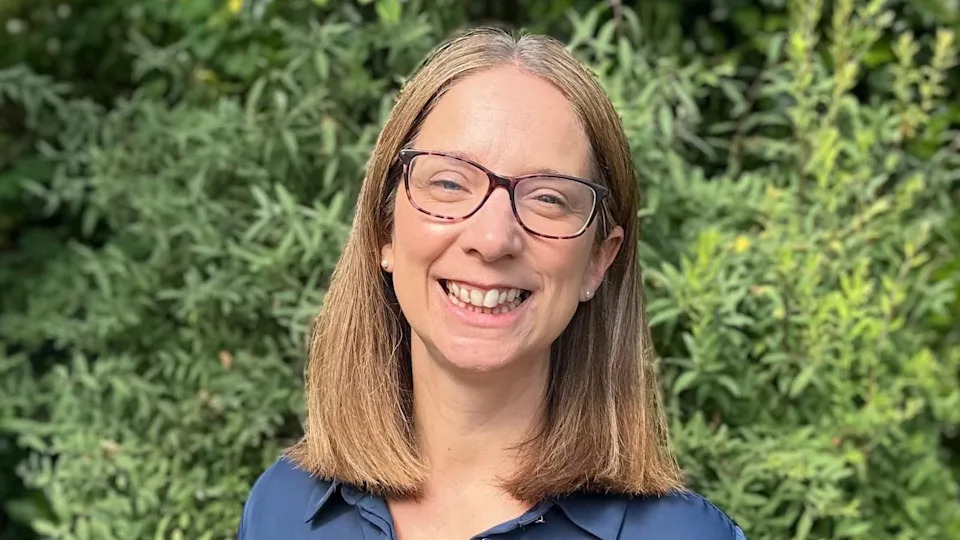
Central Bedfordshire councillor Emma Holland-Lindsay said her constituents were still struggling to get GP appointments and find NHS dentists [Emma Holland-Lindsay]
Official Response And Local Concerns
A spokesperson for the newly formed Central East ICB said:
"All ICBs were instructed in March 2025 to reduce their running costs by 50%. These redundancy costs are the result of Central East ICB complying with this requirement."
Central Bedfordshire councillor Emma Holland-Lindsay (Liberal Democrat) described the £34m figure as "shocking" and warned that residents continue to struggle to access GP appointments and to register with NHS dentists. She said promised local improvements — such as a health hub in Leighton Buzzard — have not yet resolved long travel times for minor injuries treatment and scans, and asked where cuts to running costs will be felt in front-line services.
The Department of Health and Social Care has been approached for comment.
Why It Matters
ICBs receive funding from NHS England to plan and commission most local NHS services, including hospitals, community services and general practice. Allocations are determined by a formula that accounts for factors such as population size, age profile and deprivation levels. Large redundancy payouts during structural change raise questions about whether short-term savings will translate into better or more accessible care for patients.
Help us improve.