New research from Fair By Design and the University of Bristol estimates low-income households in the West Midlands lose about £241m a year to a "poverty premium" — higher costs for essentials like energy, food and credit. Birmingham constituencies Ladywood and Perry Barr are particularly affected, with average extra costs of £540 and £562 per household respectively. Campaigners warn the money leaving local areas undermines household resilience and community opportunities even as regeneration projects begin. The government says household incomes are rising and has pledged measures including a £1bn Crisis and Resilience Fund.
Families In West Midlands Lose £241m A Year To 'Poverty Premium' — Ladywood And Perry Barr Among Worst Hit
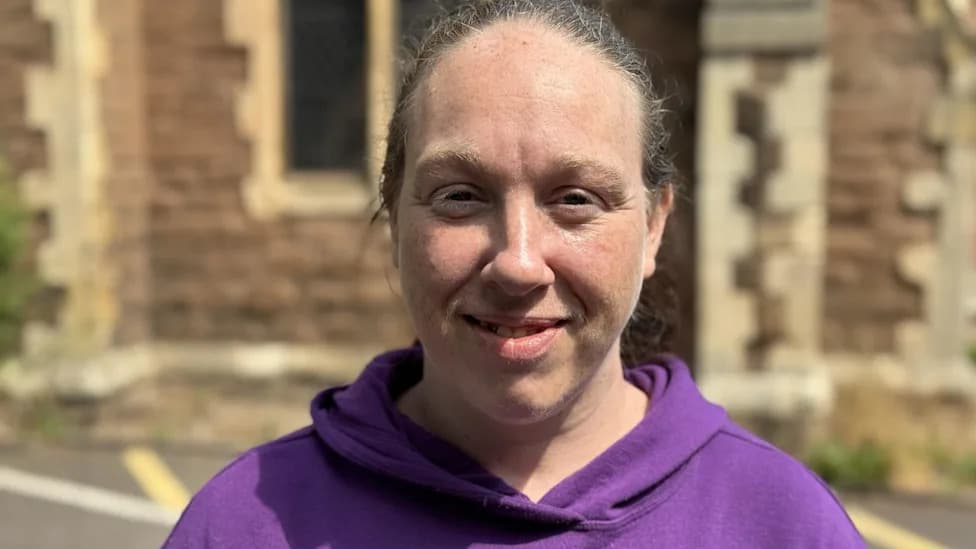
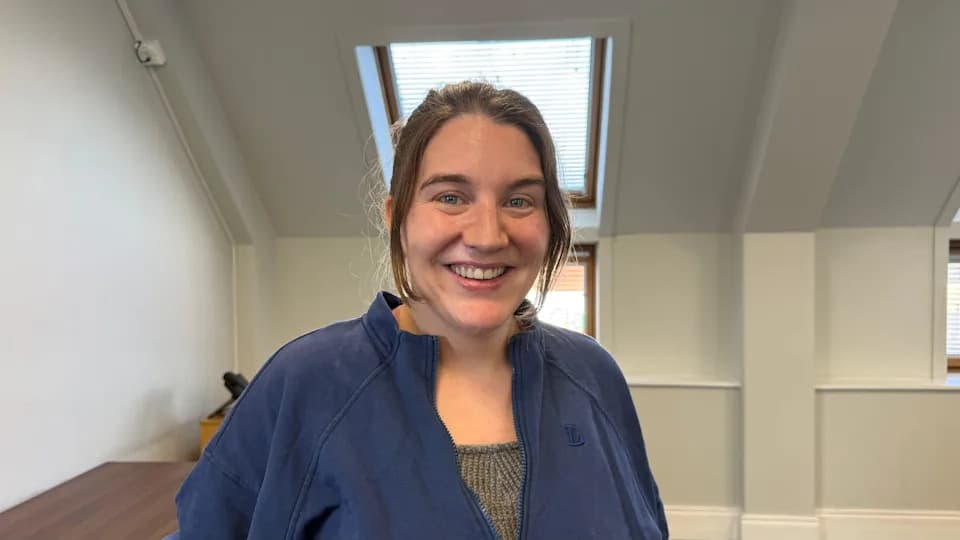
Sarah Howden said she was proud of her community, despite its problems [BBC]
New research shows low-income households across the West Midlands are losing an estimated £241 million a year to the so-called "poverty premium" — the higher costs people on low incomes pay for essentials such as energy, food, insurance and credit. The study, commissioned by Fair By Design and carried out by the University of Bristol, finds the region is the second worst affected in Britain after London.
Local lives, national problem
Residents in Birmingham's Ladywood and Perry Barr constituencies are among those hardest hit. The report estimates an average extra cost of £562 per household in Perry Barr and £540 in Ladywood, with almost £9.8m leaving Ladywood each year because of these higher everyday costs — more than any other constituency in Britain.
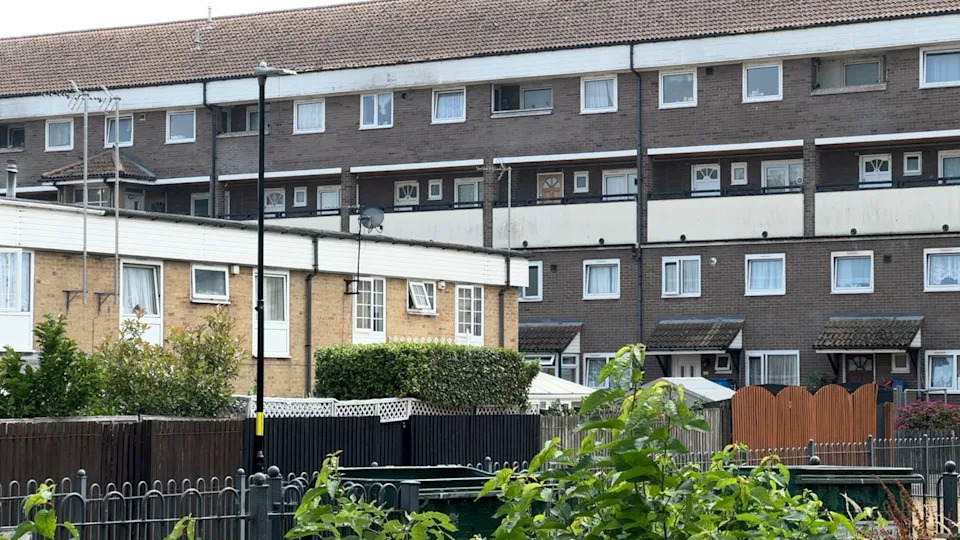
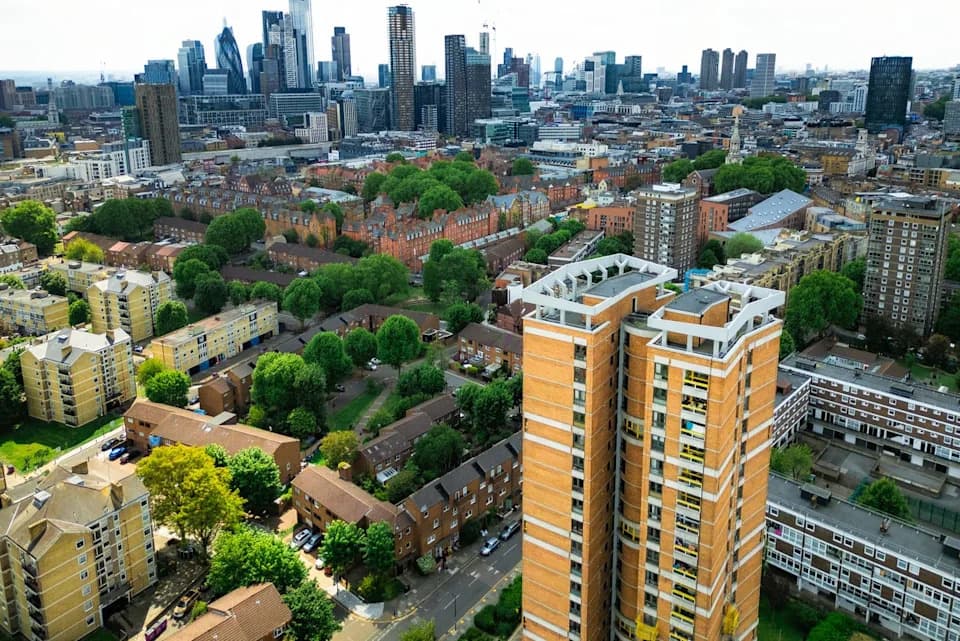
The Ladywood and Perry Barr areas of Birmingham are among the worst affected, a study has found [BBC]
Personal stories
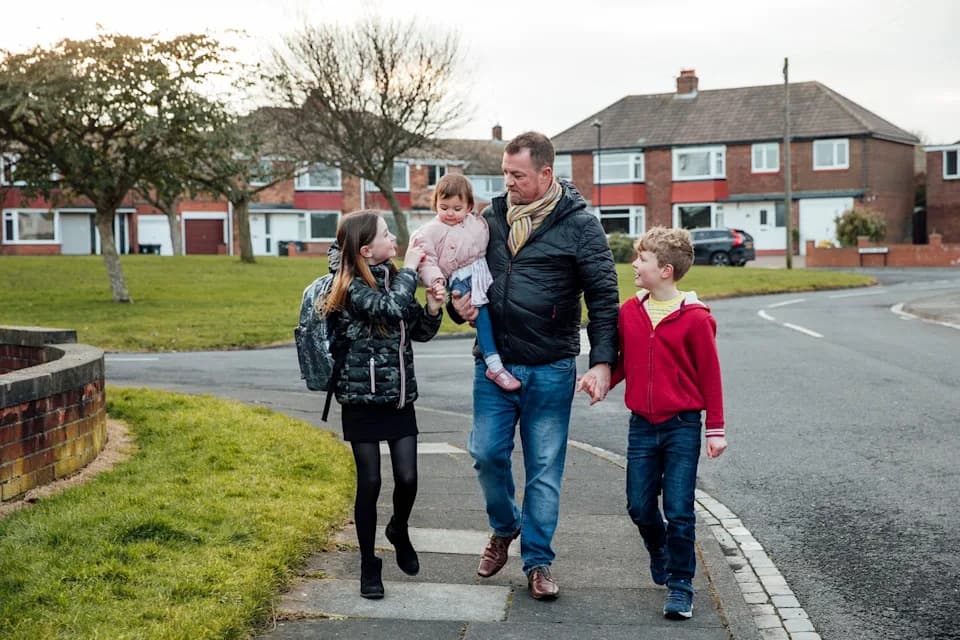
For many families, these numbers have a direct human cost. Sarah Howden, a mother of three who lives in Ladywood, volunteers at a local food bank she also relies on. She describes constant budgeting, cutting back on food or heating in winter, and unable to replace broken appliances with energy-efficient models because of up-front costs.
"I think because we can't afford to buy the A-rated energy products, we pay for it in the consumption of energy by buying a cheaper product," she said.
Carole Reid, who runs Access to Heritage, Art and Culture in Perry Barr, stresses the broader effects: when families cut back on essentials, access to arts, community activities and social connections often disappears too.
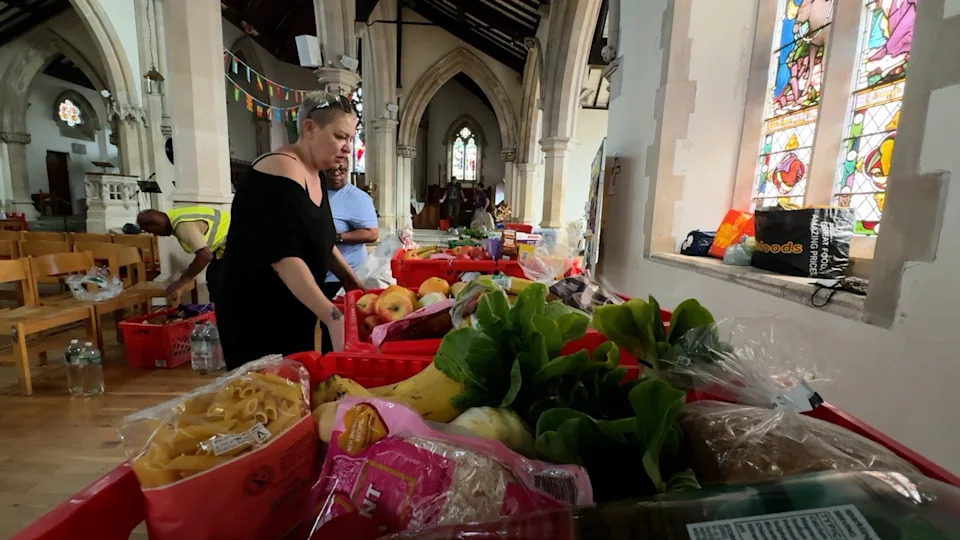
Sarah Howden volunteers at her local food bank [BBC]
Why the poverty premium matters
Researchers warn that the £241m lost each year could otherwise be spent in local economies, used to build savings, or help households cope with unexpected costs. The study also notes the West Midlands has the highest rate of fuel poverty in England at 16.7% of households, and that more than half of the 20 local authority areas with the highest levels of fuel poverty are in the region.
"We hear every day about the struggles and the really impossible trade-offs that people are making," said Rebecca Deegan, director of Fair By Design. "It was either turning the heating on or feeding their families."
Regeneration and money flowing out of communities
The findings come as large-scale regeneration plans are beginning in parts of Ladywood. While redevelopment aims to bring investment, the report highlights a countervailing flow: millions of pounds leaving neighbourhoods each year because low-income households pay more for essentials. Local services such as food banks are already adapting: one food bank moved from the closed Ladywood Community Centre into a nearby church ahead of redevelopment work.
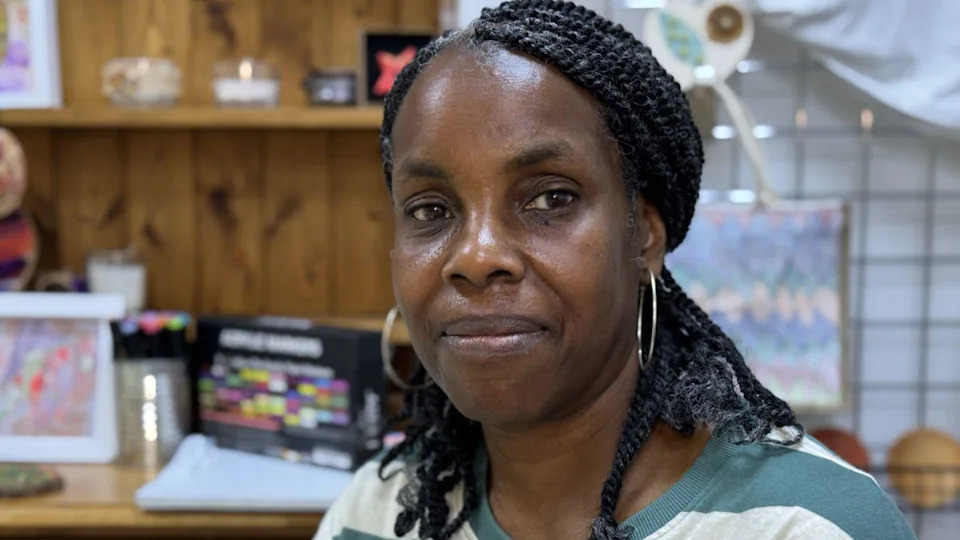
Carole Reid said she wanted to make sure people had access to opportunities [BBC]
Government response
The government responded that it is "determined to turn the tide on poverty after years of rising hardship" and pointed to recent statistics it says indicate progress: a 5% rise in household incomes in real terms, falling food bank usage and reduced food insecurity. It also cited policy steps it says are tackling cost-of-living pressures — including increases to the National Minimum Wage, a cut in VAT on electricity, suspended tariffs on some staples, and the launch of a £1 billion Crisis and Resilience Fund.
What people say they want
Residents like Howden say they do not want to leave their communities. They want a clearer understanding of why deprivation persists so policy can be targeted effectively: "If you understand why somewhere is deprived, then you can understand what needs to happen to make it better," she said.
The research underscores that solving the poverty premium requires action across markets and public policy: improving access to affordable, energy-efficient goods; fairer credit and insurance pricing for low-income households; and targeted local support so money stays within communities to build resilience and opportunity.
Research commissioned by Fair By Design and carried out by the University of Bristol; reporting from BBC Birmingham.
Help us improve.