Overview: The article argues that communist and far-left ideas are resurging in U.S. politics, driven by identity movements, organizational growth (notably within the DSA), and alleged foreign influence. It cites twentieth-century atrocities linked to communist regimes, intelligence warnings about Chinese covert influence, and research pointing to increased online acceptability of political violence among some young left-aligned users. The author urges civic action, truthful public debate, and law enforcement to counter these trends.
Communism Is Back? Assessing the Resurgence, Risks, and Evidence

FR159797 AP
They are back — the communists, or as many academics prefer, Marxists. The distinction is largely semantic: communism describes the political program derived from the ideas Karl Marx set out in 1848 in The Communist Manifesto.
Why this matters now
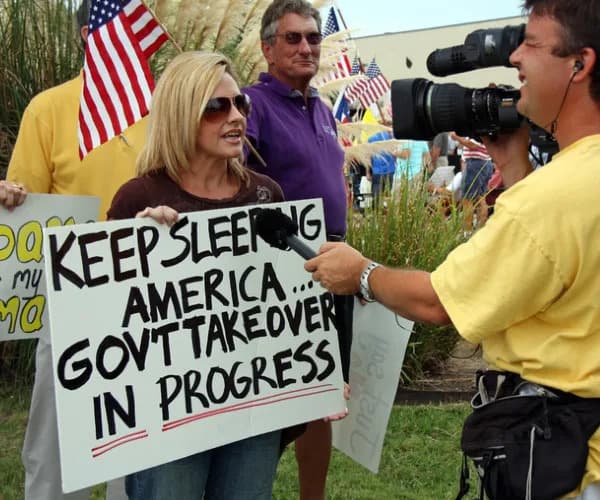
The article argues that a contemporary revival of communist and far-left ideas traces to identity-based movements, shifting cultural definitions, and the growth of organizations such as the Democratic Socialists of America (DSA). It attributes part of this momentum to alleged external support — including claims of financial or strategic influence from the Chinese Communist Party — and to the embrace by some activists of confrontational tactics aimed at dismantling capitalist institutions.
Historical Context
Dissenters warn that the historical record of twentieth-century communist regimes is stark: scholars and commissions have estimated tens of millions of deaths from state violence, politically driven famines, purges, and forced labor under regimes from the Soviet Union to Maoist China and the Khmer Rouge. Those precedents shape fears that a resurgence of communist ideas could have severe consequences if enacted in practice.
Espionage, Influence, and Intelligence Warnings
The piece cites decrypted Soviet-era Venona files as evidence that many people accused of spying for the USSR were indeed agents or collaborators. More recently, U.S. intelligence reports and public statements by the FBI have highlighted China’s growing capabilities for covert influence operations, which agencies say pose a substantial counterintelligence and economic-espionage threat to the United States.
Politics, Rhetoric, and Organization
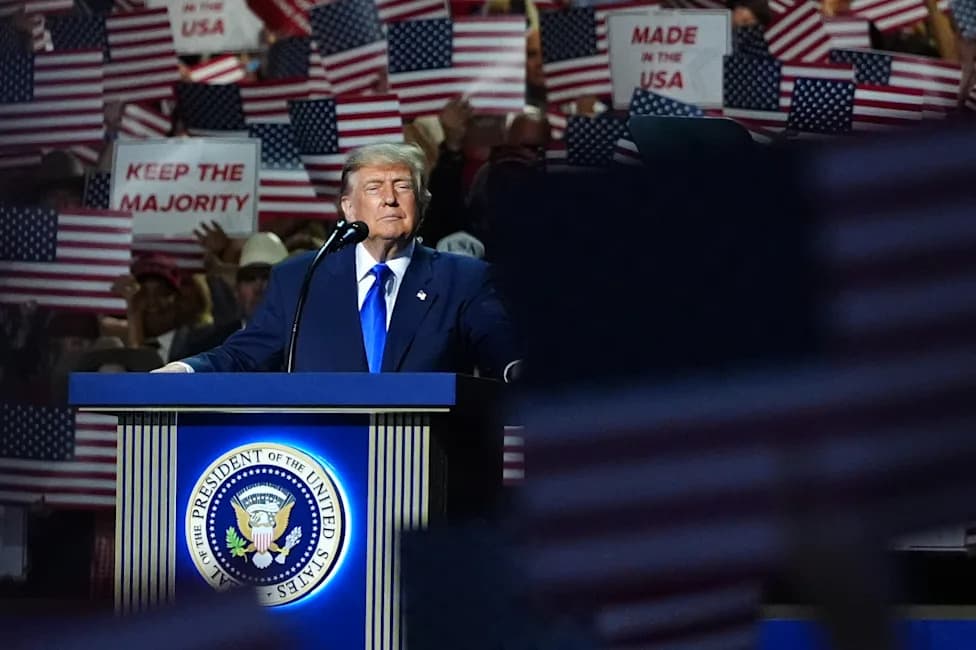
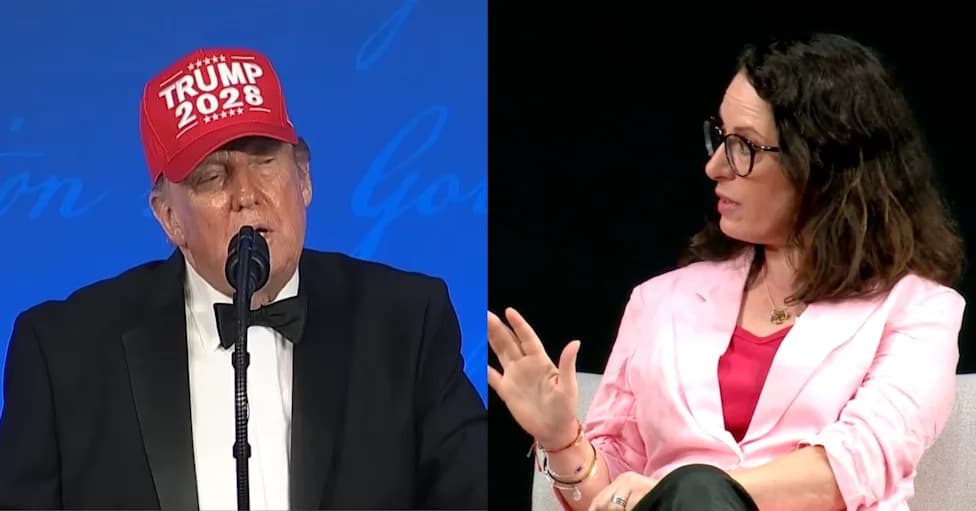
Political rhetoric has amplified the issue. In recent weeks, former President Donald Trump frequently invoked the word "communism" to describe political opponents, repeating the claim across speeches and social media. Mainstream media and some centrist commentators have disputed or downplayed claims that organizations like the DSA are equivalent to the historical communist parties of the twentieth century.
The DSA has grown substantially in recent years and now includes elected officials at local, state and federal levels, according to the article. The piece cites reporting and commentary alleging that a significant portion of DSA leadership identifies as Marxist and that some subgroups openly endorse abolition of capitalism and radical institutional change.
Violence, Online Radicalization, and Public Opinion
Researchers cited in the article warn of an increased tolerance for political violence among a subset of younger, highly online, ideologically left-aligned users. The Network Contagion Research Institute at Rutgers is quoted as finding evidence of online normalization of extreme rhetoric, and a YouGov poll referenced in the piece found that a nontrivial share of self-described very liberal respondents considered violence acceptable for political ends.
Polling cited by the article suggests that favorable views of communism are higher among younger cohorts and students than among older adults, though the majority of adults still report an unfavorable view.
Core Claims and Controversies
The article lists several core concerns it attributes to contemporary communists or Marxists: expansive state control over economic life and personal opportunity, reinterpretations of policies like diversity, equity and inclusion (DEI) as state allocation mechanisms, increased state involvement in education and family life, and suppression of religion in the public sphere. It also contends that some modern democratic-socialist proposals echo historical Marxist prescriptions for state ownership and radical institutional change.
"Communists everywhere support every revolutionary movement against the existing social and political order of things... they openly declare that their ends can be attained only by the forcible overthrow of all existing social conditions." — The Communist Manifesto (as quoted in the article)
What the Article Urges
The author calls on defenders of American institutions to confront these trends through civic engagement, truthful public discourse, elections, and prosecution of criminal acts — arguing that without an organized response, extremes on the left could gain traction.
Notes on sourcing and tone: This improved version preserves the original article's main claims and supporting references while clarifying language, fixing formatting errors, and removing corrupted text. Several assertions in the original piece are presented here as claims or reported findings; readers should consult primary sources (intelligence assessments, peer-reviewed scholarship, and the cited polls) for verification and context.
Help us improve.