Underwater footage from the Gulf of California captures three orcas using forceful, coordinated ramming strikes to shatter a sharp-tail sunfish, sending tissue fragments through the water. Kathryn Ayres, who filmed one clip, described the burst of debris as "like an explosion." A study in Frontiers in Ethology analyzes two such events and suggests the behavior may help juveniles feed or function as play and social learning. The cases highlight cooperative and precise orca behavior.
Orcas Ram Sunfish Until It Shatters in Dramatic Underwater Footage
OrcasCredit: Kathryn Ayres/@drkatyayres via Storyful
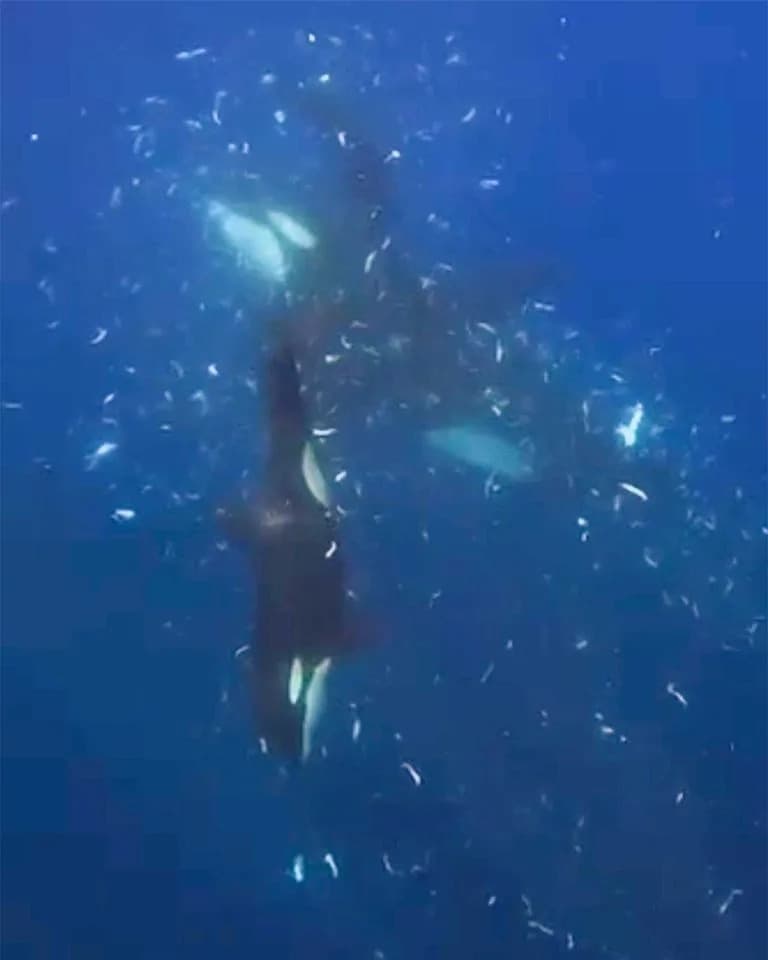
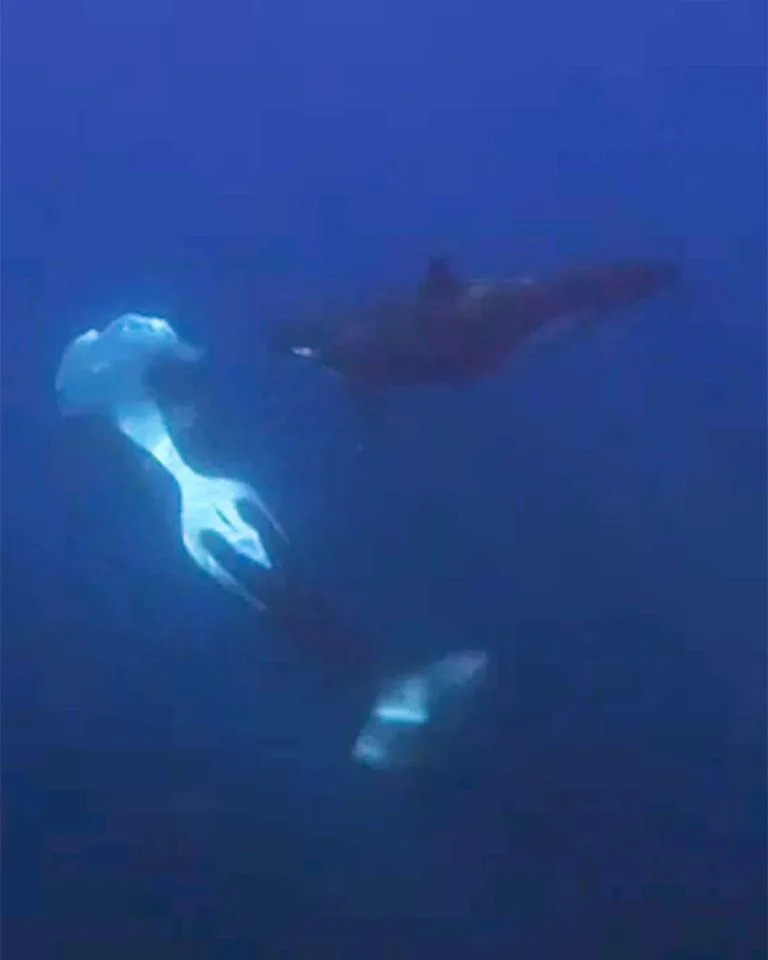
A dramatic underwater clip shows three orcas (killer whales) using high-speed ramming strikes to fragment a sharp-tail sunfish, sending tissue and debris scattering through the water column. The footage, captured in the Gulf of California, illustrates a striking example of coordinated feeding and possible social behavior.
In the video, one orca holds the large sunfish while a second builds speed and strikes it with a powerful ram. The impact is so forceful that the carcass breaks apart into many pieces; a third orca then appears as the fragments drift away.
"I remember thinking, 'I didn't know sunfish could come apart like that.' I'd seen orcas hunt sunfish before, but I'd never witnessed one using such an incredibly forceful ramming technique that the tissue fragmented throughout the water column. It was like an explosion," said research scientist Kathryn Ayres, who filmed one of the videos.
Ayres is lead author of a study published in Frontiers in Ethology on July 22 that analyzes two separate recordings of adult orcas using the ramming technique on sunfish. One of the videos was recorded by Ayres herself. The researchers observed that the behavior appears coordinated and precise, suggesting cooperation among the adults.
Credit: Kathryn Ayres/@drkatyayres via Storyful
Why Might Orcas Do This?
The study offers two non-exclusive explanations. First, adults may deliberately break the carcass into smaller, more manageable pieces to help juveniles feed—similar to preparing bite-sized portions for younger group members. Second, the action could represent play or a non-consumptive interaction used for social learning, practice, or entertainment. Co-author Erick Higuera told the Seattle Times the interaction looked "like soccer," with each individual assuming a role.
Ayres told ABC News that observations like these are energizing for the scientific community because they reveal previously undocumented hunting and food-processing behaviors in orcas. Both recorded incidents examined in the paper occurred in the Gulf of California.
Context: Orca Facts
Commonly called killer whales, orcas are apex predators found in oceans worldwide. According to the National Marine Fisheries Service, they can weigh up to about 11 tons and reach lengths of roughly 32 feet. Lifespans for orcas commonly range between approximately 30 and 90 years.
Credit: Kathryn Ayres/@drkatyayres via Storyful. Reporting referenced interviews published by ABC News and the Seattle Times, and a study in Frontiers in Ethology (July 22).
Help us improve.