New research finds that most carbon released during Canada’s record 2023 wildfires came from underground soils and peat, not primarily from burning trees. The McMaster-led study estimates about 554 million tonnes of carbon were emitted, with ~76% originating below ground; Copernicus and NASA place the range at 470–640 million tonnes. Drying soils, lower water tables and thawing permafrost are making peatlands combustible and causing smouldering underground fires that are hard to extinguish. Responses must include peatland protection, wetland restoration, Indigenous stewardship, improved monitoring and deep cuts to greenhouse-gas emissions.
Soil Carbon: The Hidden Fuel Driving Canada’s Massive Wildfires
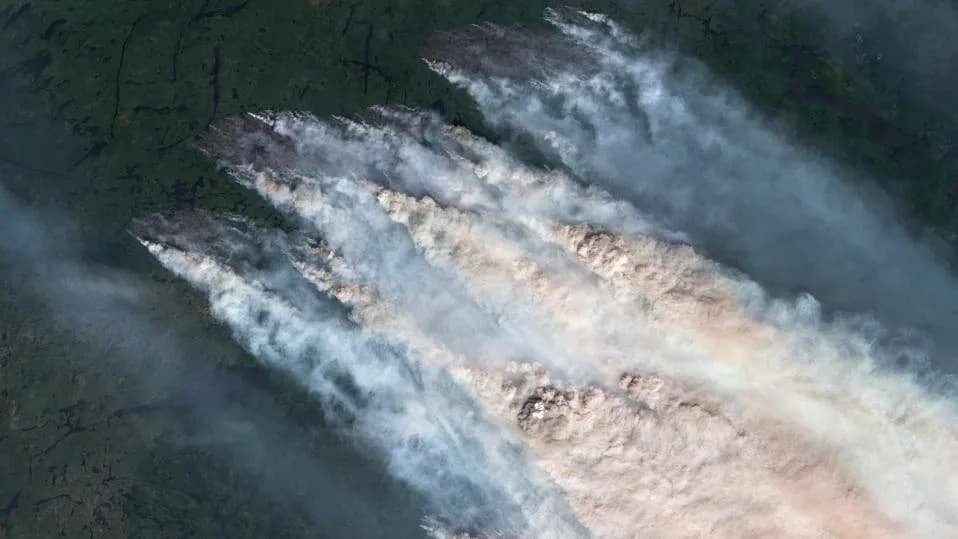
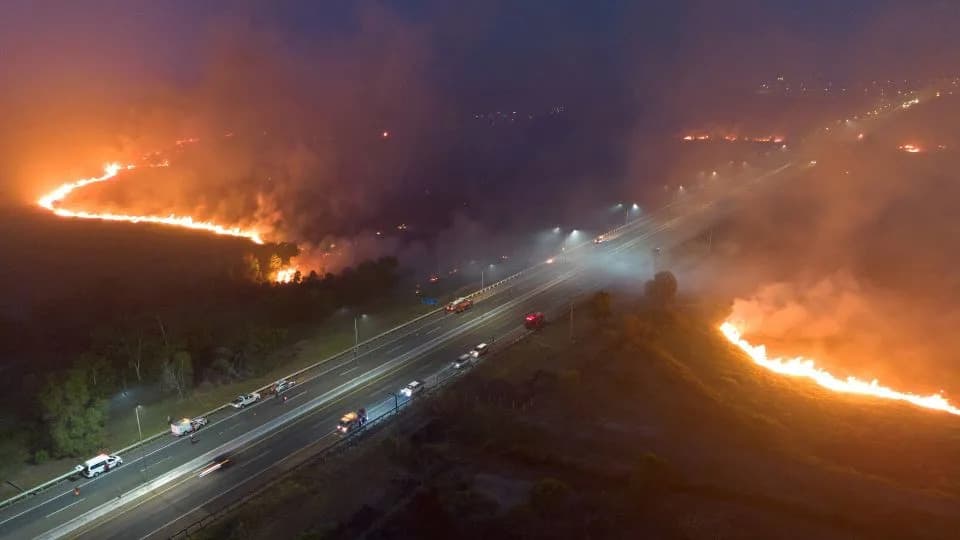
CANADA - 14 JULY 2026: Satellite view of Northwestern Ontario's wildfires, including the Dryden and Thunder Bay fires, has forced evacuations, closed highways, and disrupted Canadian routes. Smoke and smog from these blazes has spread across Toronto and is reaching as far as New York. 14 July 2026. (Photo by Gallo Images/Orbital Horizon/Copernicus Sentinel Data 2026)Gallo Images via Getty Images
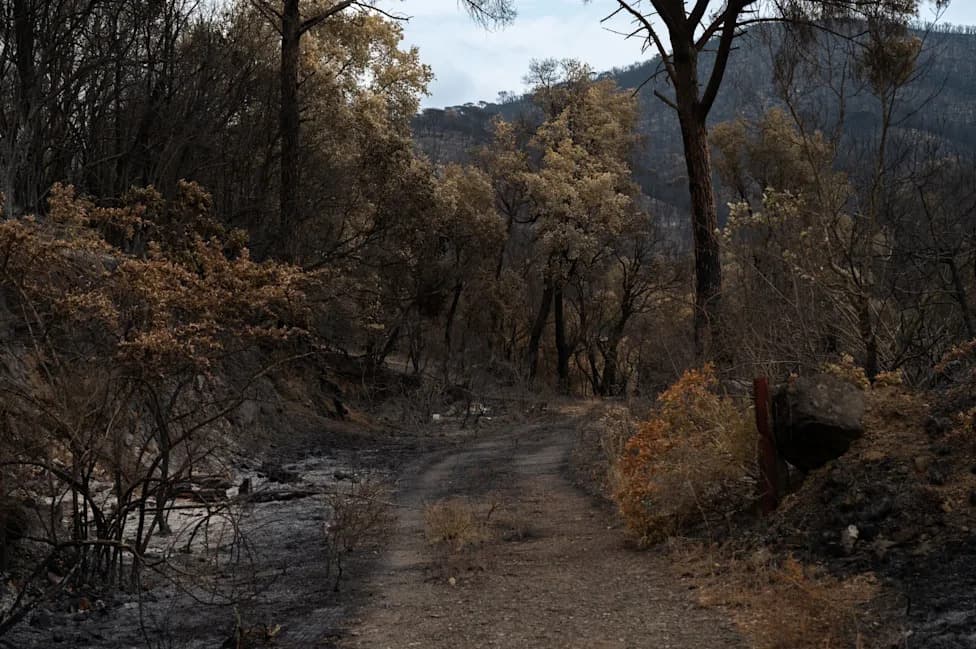
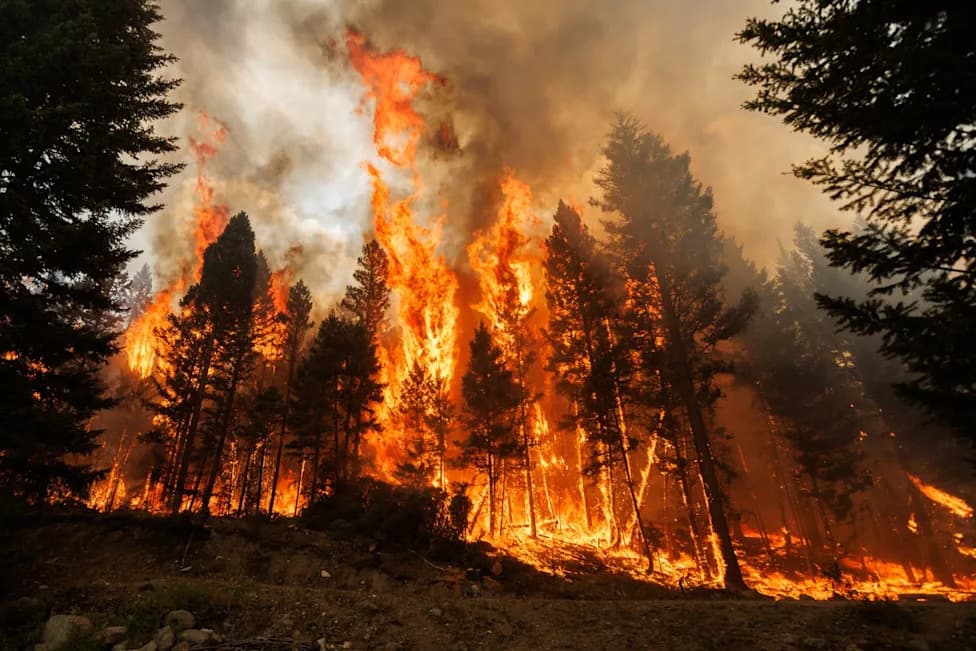
When wildfire smoke from Canada darkened skies over New York, Chicago and much of the northeastern United States, some political commentary blamed poor forest management. A new scientific study suggests the problem is far deeper—literally. Researchers linked to McMaster University report that most carbon released during Canada’s record 2023 fire season came from organic carbon stored in soils and peat, not primarily from burning trees.
Below the Surface: A Vast, Vulnerable Carbon Store
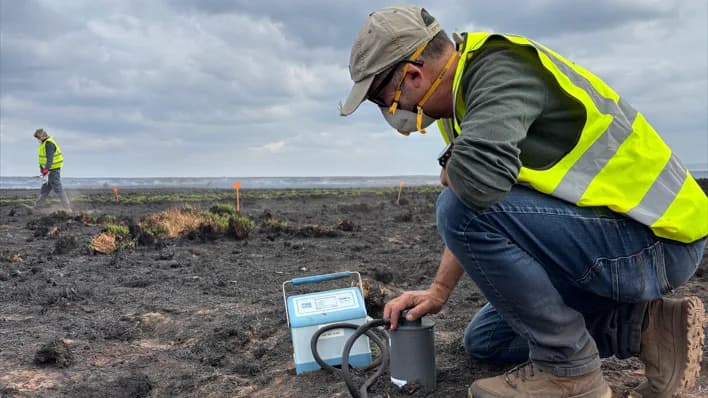
Canada’s boreal forests sit atop enormous reservoirs of accumulated organic matter: peat, moss layers, decomposing vegetation and carbon-rich soils that have built up over decades or centuries. Under historically cool, wet conditions these layers stayed moist and resistant to combustion. But hotter summers, prolonged droughts, falling water tables and thawing permafrost are changing those conditions. As ground layers dry, the forest floor becomes a major, highly persistent fuel source.
What The Study Found
The McMaster-led team, publishing in Geophysical Research Letters, estimates that Canada’s 2023 wildfires released about 554 million tonnes of carbon, with roughly 76% of those emissions originating from below-ground sources—peat and other soil organic matter. Independent calculations by the European Union’s Copernicus programme and NASA researchers produce similar totals, placing 2023 wildfire carbon emissions between about 470 and 640 million tonnes. These figures make episodic boreal fire seasons comparable to the annual fossil-fuel carbon output of many industrialized nations.
Why This Matters
Surface-focused forest-management tools—prescribed burning, removal of deadwood and mechanical thinning—are effective at reducing above-ground fuels and lowering fire intensity near communities. But they were not designed to address the risk posed by hundreds of billions of tonnes of carbon stored across remote boreal soils. Once deep organic layers dry, they can smoulder for weeks or months, emitting carbon dioxide, methane and fine particulate matter that travel long distances. These subsurface fires are difficult or impossible to extinguish using conventional methods because combustion occurs beneath the surface.
A Dangerous Feedback Loop
Researchers warn this dynamic creates a climate feedback: fossil-fuel emissions warm the planet, warming dries boreal soils and thaws permafrost, drier soils release more ancient carbon when they burn, and that extra carbon contributes to further warming—heightening future fire risk. In short, the changing climate is transforming landscapes that once resisted combustion into landscapes that release vast stores of ancient carbon.
What Needs To Be Done
Adaptation and mitigation must broaden beyond post-ignition suppression. Effective strategies include:
- Protecting and restoring peatlands and wetlands to keep soils wet and less flammable.
- Improving early detection and monitoring (satellite and ground-based) to identify smouldering peat fires quickly.
- Integrating Indigenous fire stewardship and local ecological knowledge into land management.
- Targeted landscape planning to reduce risks near communities and critical infrastructure.
- Deep emissions reductions globally to slow the warming that makes these soils combustible.
Conventional forest management remains important for reducing immediate risks to people and property. But preventing the release of ancient soil carbon requires both local conservation measures and global climate action. The smoke that crossed borders is a reminder that soil-carbon dynamics are a planetary problem—one that cannot be solved solely by managing trees.
Note: This article synthesises findings from a study published in Geophysical Research Letters and corroborating estimates from Copernicus and NASA researchers.
Help us improve.