
Key Points: RSF commander Mohamed Hamdan Daglo told fighters they are "unleashed" after the RSF lost a strategic section of the Khartoum–El-Obeid highway. The army pushed RSF forces off the 400-kilometre road, raising hopes that aid and supplies can reach El-Obeid, where hundreds of thousands need assistance. The UN has warned of the risk of mass atrocities in Kordofan as the conflict — which has killed an estimated 200,000 people since April 2023 — continues to drive a major humanitarian catastrophe.
Sudan: RSF Leader Declares Fighters 'Unleashed' as Army Retakes Key Khartoum–El-Obeid Highway
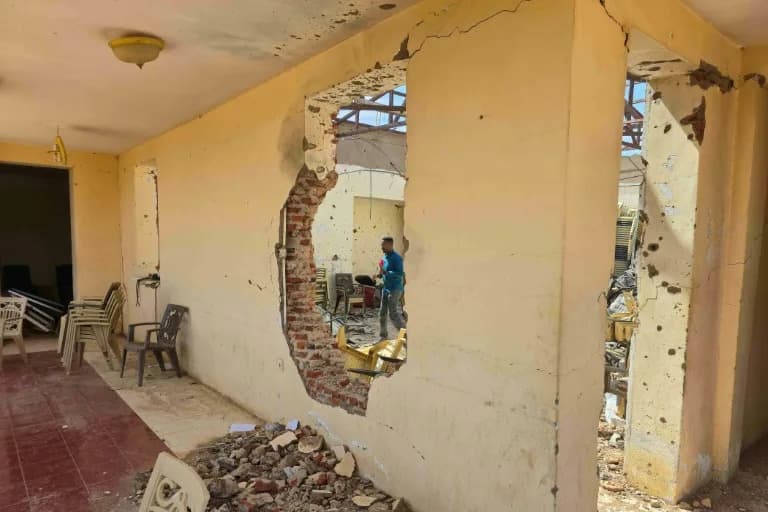
Paramilitary drone strikes shook Sudan's flashpoint city of El-Obeid hours after the army regained control of the city's highway to the capital Khartoum. (-)
Sudan's paramilitary commander Mohamed Hamdan Daglo — leader of the Rapid Support Forces (RSF) and accused in UN reports of involvement in mass atrocities — told his fighters on Monday to consider themselves "unleashed" amid heavy fighting with the Sudanese army.
Daglo made the declaration in a video posted by his parallel administration a day after RSF units lost control of a strategic stretch of the roughly 400-kilometre (250-mile) highway linking Khartoum with El-Obeid, the largest city in Kordofan.
Tensions And Warnings
The United Nations has warned that RSF fighters could carry out mass atrocities in Kordofan as they attempted to encircle El-Obeid ahead of a feared large-scale assault. Since the outbreak of fighting in April 2023 between Daglo and his former ally, army chief Abdel Fattah al-Burhan, aid groups estimate the conflict has killed more than 200,000 people and created the world’s largest hunger and displacement crisis.
In his address to fighters Daglo said: "From today, I no longer hold the reins, I have released the reins to you."
Military Developments
After several days of advances across North Kordofan, Sudanese army units pushed RSF forces west, clearing them from the highway that links Khartoum and El-Obeid, two anonymous army sources told AFP. The army released footage of commander Abdel Fattah al-Burhan visiting Jabrat al-Sheikh, one of the last RSF positions along the road, accompanied by militia allies whose forces helped secure the advance.
Humanitarian Impact
El-Obeid — a city of roughly half a million people that the UN says has swelled because of internal displacement — remains under severe strain. The reopening of the highway raises hopes that aid and commercial goods can reach residents; local resident Sabreen Mohamed told AFP that the move "means goods can flow." However, the road to Khartoum remains closed to civilians and RSF drone strikes continue to threaten alternative routes.
The UN and survivor testimony accuse RSF forces of atrocities including ethnic cleansing, systematic sexual violence and summary executions. Both sides have been accused of war crimes such as indiscriminate drone strikes; the UN says more than 1,000 civilians have been killed by such strikes this year alone.
Outlook
While the army is viewed more favourably than the RSF by many civilians who have endured paramilitary violence, the humanitarian crisis in El-Obeid and wider Kordofan persists. Continued fighting, retaliatory strikes and damage to critical infrastructure — including power stations and banks — mean relief efforts will remain fragile even if supply routes open.
Sources: AFP reporting, United Nations statements, survivor testimony and local accounts.
Help us improve.





















