President Trump defended his tariffs at a General Motors plant in Milford, arguing they are bringing auto production back to the US. Michigan, however, has seen weak job growth — adding just 500 jobs in the year to June — and an unemployment rate of 5.1% in May. The US has imposed 25% levies on certain Canadian vehicle content and may raise some tariffs to 50% in August, prompting Canada to retaliate with 25% duties. The White House cites recent automaker investments as evidence the policy is working, while industry and local communities express concern about the broader economic fallout.
Trump Defends Tariffs at GM Plant as Michigan Faces Slow Job Growth and Canadian Retaliation
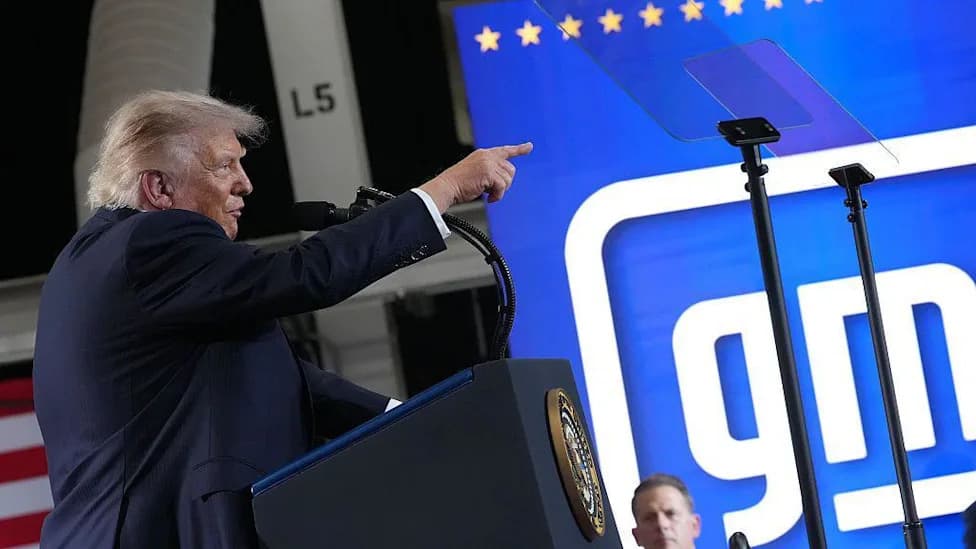
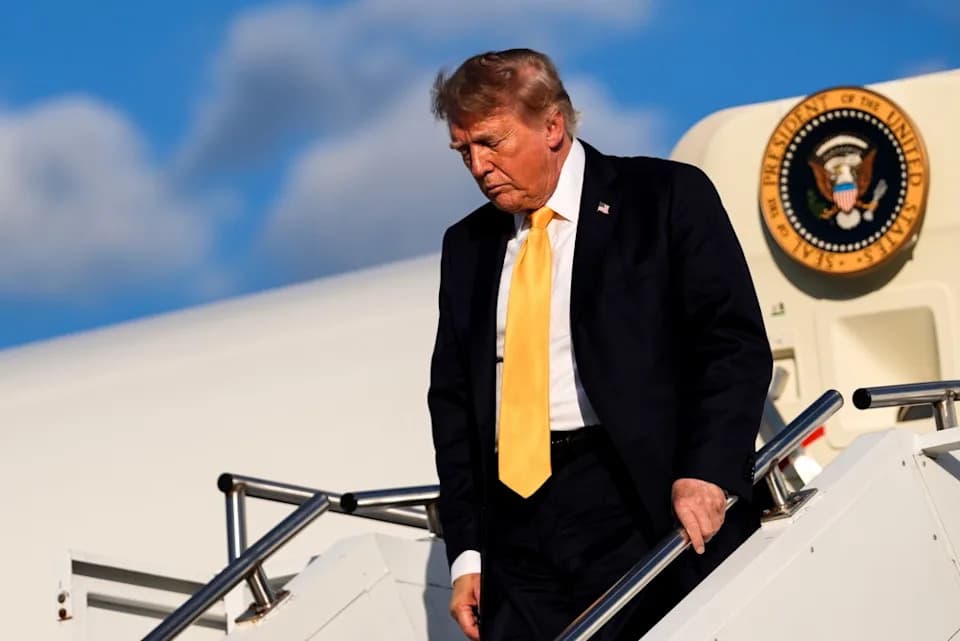
Trump's visit to Michigan comes as he seeks to bolster support for Republican candidates ahead of the November midterm elections [Getty Images]
US President Donald Trump vigorously defended his tariff policies during a visit to a General Motors plant in Milford, Michigan, saying the measures are revitalising the US auto industry and encouraging companies to relocate production back to America.
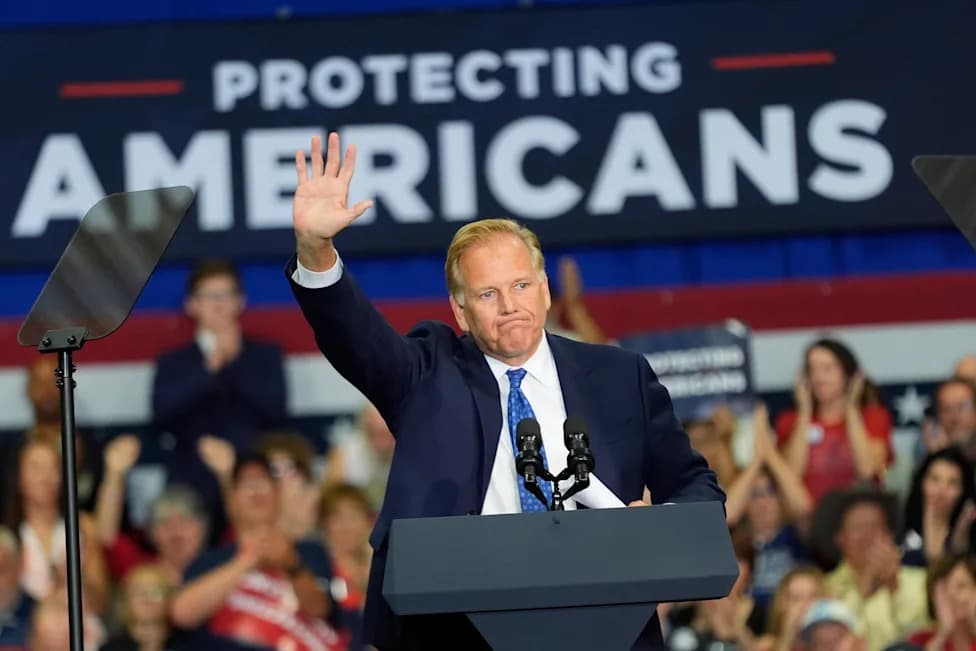
At the plant, Trump described the tariffs as "historic" and said they send a clear message to automakers: build vehicles in the United States or pay to sell them in the US market. He framed the visit as part of a broader push to support autoworkers ahead of the midterm elections.
Economic Context and Local Impact
Despite the administration's claims, Michigan's labor market shows signs of strain. Bureau of Labor Statistics data indicate the state added just 500 jobs in the 12 months to June, and state figures put Michigan's unemployment rate at 5.1% in May — higher than the national average and above most states.
Michigan's economy is closely tied to Canada. US tariffs have targeted non-US content in Canadian-assembled passenger vehicles with a 25% levy, along with steel tariffs that indirectly affect the sector. The administration has signalled a planned increase to 50% on some Canadian goods — including certain autos — that could take effect in August, prompting tit-for-tat measures from Ottawa.
Canada's Response And Industry Reaction
Canada has imposed 25% retaliatory duties on US vehicles and on vehicle content that does not comply with the USMCA trade rules. The tariffs, combined with inflationary pressure and higher fuel costs linked to geopolitical tensions, have contributed to concern among automakers and communities that depend on the industry.
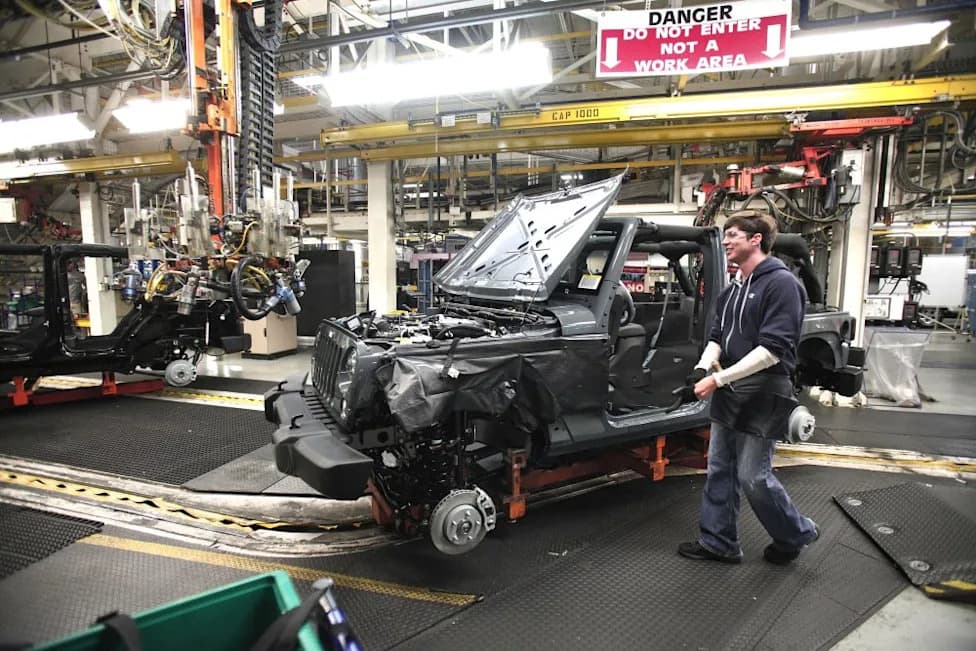
Last year vehicle production fell across all three North American countries, with Canada experiencing the largest decline (5.4%), according to TD Bank. Automakers have begun adjusting production and supply chains in response.
White House Evidence And Local Symbolism
The White House pointed to recent manufacturing investments as evidence the policy is working, citing a $6 million GM investment and smaller commitments from Ford, Stellantis and Detroit Diesel. During his visit, Trump praised autoworkers and blamed lingering economic problems on "globalist" politicians who, he said, had neglected American workers.
Trump's appearance coincided with the opening of the Gordie Howe International Bridge linking Detroit and Windsor. The first commercial truck carrying auto parts into Michigan crossed the new span hours before the president's remarks — underscoring the close economic ties between the two countries.
"Build your trucks or cars outside the United States and you'll pay a fee for the right to sell them here and profit," Trump told GM workers. "Build your plant in Michigan or anywhere else in America ... and you'll face no tariff at all."
As tensions over trade continue, manufacturers, workers and policymakers are watching closely for how higher levies and retaliatory duties will affect production, prices and employment across the region.
Help us improve.