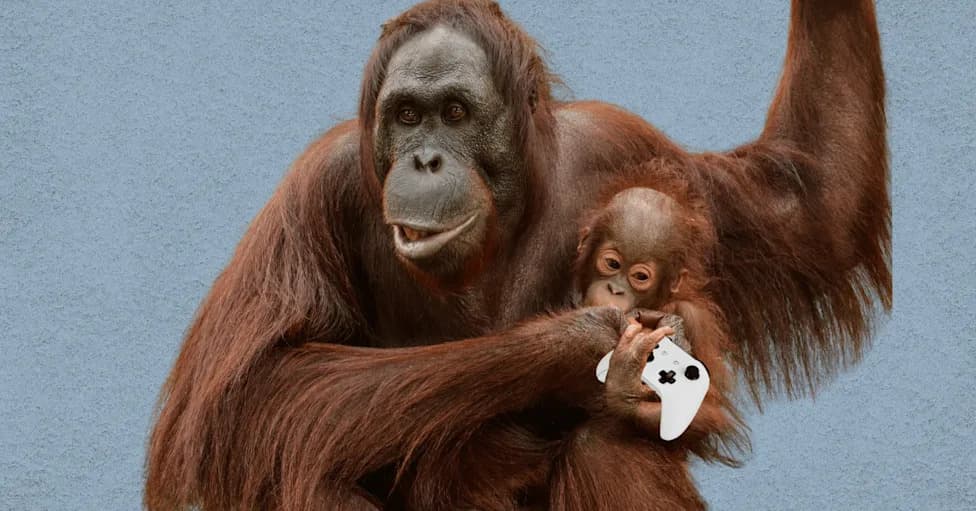
Recent research shows two overlapping causes for animal behavior during total solar eclipses: direct biological responses to sudden darkness and indirect reactions triggered by human activity. Closed-zoo observations during the 2024 eclipse produced far fewer disruptions than crowded events, while a 2025 Science study found many birds sang dawn calls after totality. The evidence suggests human excitement often amplifies the unusual behavior reported in captive animals.
Not the Eclipse — It's the People: How Human Reactions Drive Animal Behavior During Solar Eclipses
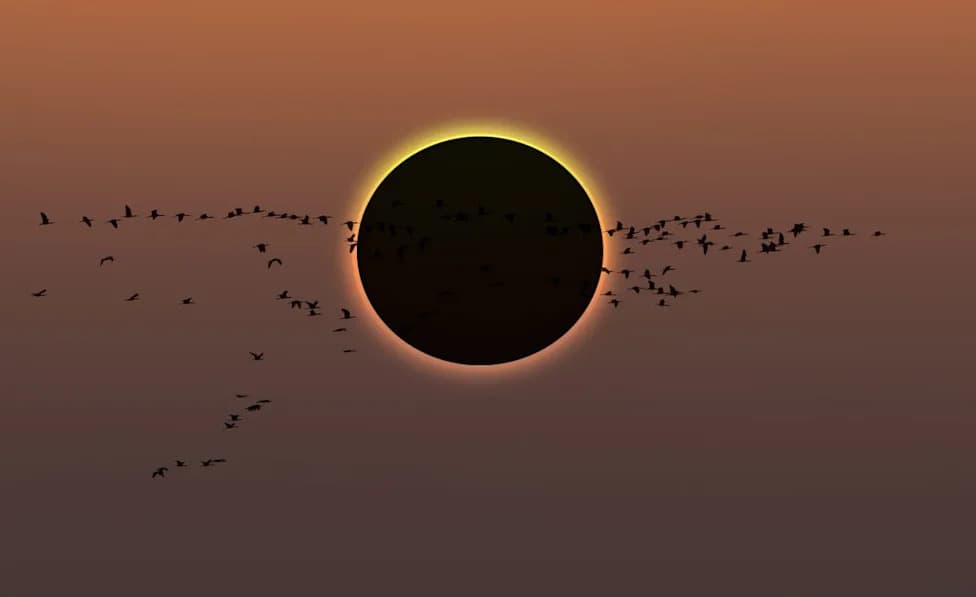
Migratory birds flying in the sky with Solar Eclipse at amazing sunset© muratart/Shutterstock.com
Solar eclipses have captivated humans for millennia, inspiring awe, fear and ritual. But when the Moon briefly blocks the Sun and shadows sweep the landscape, how do animals respond — and how much of what we observe is driven by human behavior?
Research That Changed the Story
Biologist Adam Hartstone-Rose began investigating animal responses after witnessing his first total solar eclipse. Early observations were striking: in a 2020 paper in Zoo Biology, researchers reported a range of unusual behaviors in captive animals during totality — flamingos circling juveniles, giraffes bolting, baboons clustering, a Komodo dragon pacing, and Galápagos tortoises mating. Some species switched to nighttime routines (lorikeets returning to nests, gorillas gathering at den gates, elephants heading for barns), while many others showed no noticeable change.
One important detail of the 2020 study was crowd size: the zoo was full of visitors. That raised a hypothesis that human activity — noise, movement, and emotional excitement — might amplify or even trigger some of the animals' reactions.
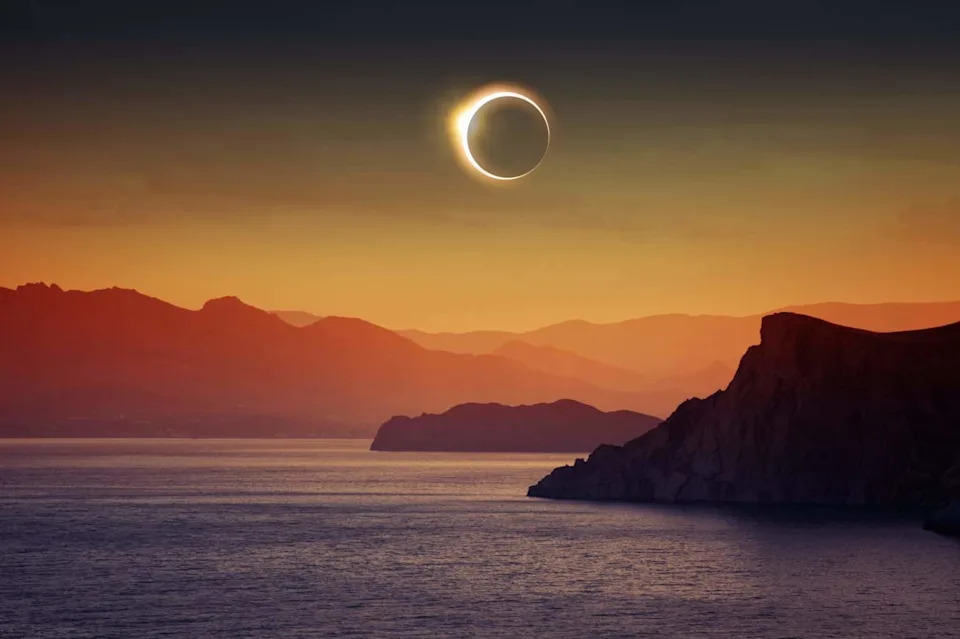
Total solar eclipses are brief, rare, and might affect animals. Some birds, for example, treat the end of solar eclipses as the start of dawn.©IgorZh/Shutterstock.com
Comparisons: Crowded Versus Quiet Conditions
Subsequent work tested that idea. Canadian researchers who observed zoo animals during the 2024 total solar eclipse did so at a facility closed to visitors; most species displayed muted or no reactions, though Japanese macaques climbed higher and zebras showed mild stress. Hartstone-Rose also ran a comparative experiment in Texas during the 2024 eclipse: animals at the quieter Fort Worth Zoo remained subdued, while the much larger crowds at the Dallas Zoo correlated with far more noticeable animal responses.
These contrasts suggest that many captive animals respond to the unusual behavior of people around them — just as people notice animals behaving oddly.
Direct Biological Responses Exist Too
At the same time, some wild animals are clearly responding directly to the sudden darkness. A 2025 study in Science analyzed nearly 100,000 bird calls recorded during the 2024 eclipse and found that roughly half of the species produced dawn-like calls immediately after totality ended, as light returned. Other research has shown that certain insects adopt nighttime behaviors during totality. These patterns indicate that abrupt changes in light and temperature can provoke biologically driven responses independent of human presence.
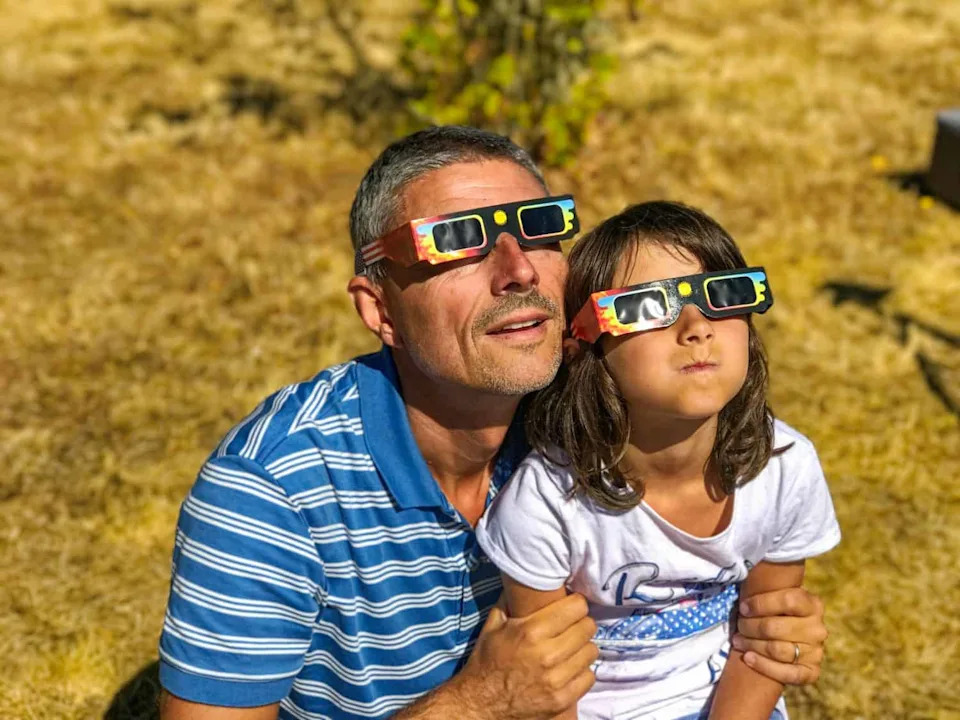
The presence of people and the level of their emotional reactions during a solar eclipse seem to affect the behavior of nearby animals.©GagliardiPhotography/Shutterstock.com
Citizen Science and Emotions
Because total solar eclipses are infrequent at any single location, gathering systematic data is challenging. A 2024 citizen-science project co-authored by Hartstone-Rose enlisted hundreds of observers to log animal behavior during an eclipse. The project found an intriguing link: participants who reported animal changes also reported stronger feelings of awe, inspiration and a sense of belonging in science — suggesting that human emotional responses may influence what observers notice and how animals react in public settings.
Why This Matters
The growing body of evidence indicates two overlapping causes for animal responses during eclipses: direct, sensory-driven reactions to sudden darkness and environmental change, and indirect reactions sparked by human excitement, noise and movement. For captive animals — in zoos or in urban settings — human behavior appears to be a major driver of the unusual reactions often reported during eclipses.
Implications
For researchers: controlling for human presence is essential when studying eclipse effects. For zoos and wildlife managers: advance planning (quiet viewing areas, limiting crowds near sensitive species) can reduce stress for animals during celestial events. And for the public: remembering that our behavior can influence animals helps us enjoy eclipses responsibly.
“The animals that do the strangest thing during an eclipse, by far, are the people,” Hartstone-Rose observed — and that human drama may explain many of the animal oddities we report.
Bottom line: Some species clearly respond directly to the darkness of an eclipse, but much of the pronounced behavior reported in captive animals appears to be driven or amplified by human presence and excitement.
Help us improve.